The Colorado Hailstorm Reality Check
Colorado is famous for its sunshine, but every year, hailstorms remind us that nature has a punchy side too. According to the National Weather Service, the Denver metropolitan area experiences an average of three to five hailstorms per year, with hail sizes ranging from pea-sized to golf ball or even larger than baseballs from time to time.
For homeowners, hail isn’t just a temporary inconvenience — it’s a serious threat to your roof’s integrity, your home’s safety, and in the end… your wallet. In fact, hail damage is one of the most common and costly weather-related claims for roofing repairs in Colorado.
So how do you prepare? How do you protect your roof? And when the storm passes, how do you spot damage and make repairs that last?
Let’s break it down with real-world expertise and some pro tips.
1. Understanding How Hail Impacts Your Roof
Not all hail damage looks the same, and understanding how hail affects roofing materials helps you make smarter repair decisions.
- Asphalt shingles: The most common roofing material in Colorado. Hail can bruise, crack, or dislodge shingles, make holes, or cause granule loss that accelerates aging and leaks.
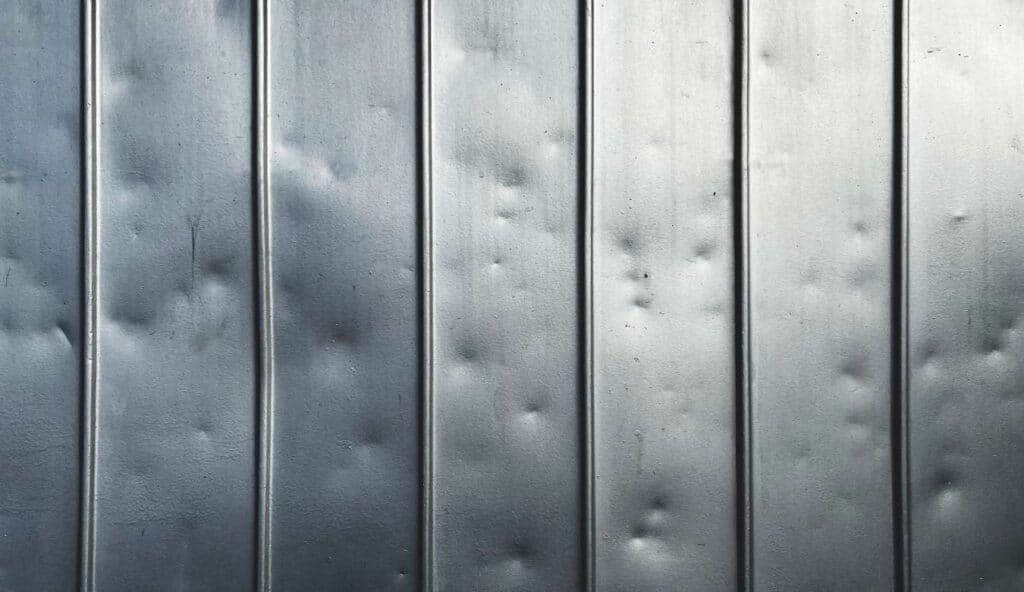
- Metal roofs: Durable but not invincible. Large hail can dent metal panels, affecting both appearance and protective coatings.
- Tile roofs: Tiles can crack or break under hail impact, sometimes in hidden spots that cause leaks later after UV rays hit the underlayment that is actually protecting you from water damage.
How hail causes damage: When hailstones hit your roof at speeds up to 60+ mph, they create impact dents and cracks, sometimes invisible from the ground but severe enough to compromise waterproofing. Over time, damaged shingles lose granules, become brittle, and invite moisture infiltration.
2. How to Spot Hail Damage Early (Before It Gets Worse)
Acting fast is crucial. Here’s how you can detect hail damage early:
- Look for missing or bruised shingles: Granules often wash into gutters or appear as bald spots. Bruises might look like dark spots or depressions.
- Check gutters and downspouts: Collect granules or shattered pieces after storms.
- Inspect your car: If your vehicles show hail dents, your roof likely took a hit too.
- Look for leaks or water stains: Check ceilings and attic spaces after storms.
- Cracked or Broken Skylights: A sure sign of hail damage on your roof.
- Broken Solar Panels or Windows on your House or Neighborhood: A sure sign of hail damage
A professional hail damage roof inspection is the gold standard. Experts climb up, use special tools to detect bruising and cracks invisible from the ground, and take detailed photos for your insurance claims.
At Denny’s Roofing, we are experts when it comes to hail damage and work with 100’s of insurance companies as referral partners to help you navigate a claim. Call us and learn how.
3. Hail-Resistant Roofing Options: What Works Best in Colorado
Not all roofing materials are created equal when it comes to hail. Colorado’s unique climate calls for smart choices:
- Impact-resistant asphalt shingles: Look for a Class 4 impact rating, the highest rating for hail resistance. These shingles are tested in a lab with steel balls to simulate hail impacts and resist cracking or denting.
- Metal roofing: Though metal can dent, many types withstand hail better than traditional shingles and last longer. Look for coated or standing-seam metal roofs designed for hail resistance.
- Synthetic roofing: New composite tiles mimic slate or wood but have better impact resistance.
- Roof underlayment and ice & water shield layers: These layers protect the roof deck from leaks, even if shingles get damaged.
4. Filing an Insurance Claim After a Hailstorm: What You Need to Know
Colorado homeowners have some important rules to follow when filing hail damage claims:
- Document everything. Take photos before and after the storm, including damage to your roof, gutters, and vehicles.
- Schedule a professional inspection ASAP. Most insurance companies require documented professional inspections.
- Know your deductible, policy limits, and code coverage. Deductibles vary, so check your homeowner’s policy carefully.
- If you are paying out of pocket rather than filing an insurance claim, get multiple repair estimates. This helps you verify that the payout for the work is fair. Remember… the cheapest bid is not always the best choice for a contractor. You get what you pay for.
Don’t rush repairs without insurance approval on claims. Quick fixes are sometimes necessary, but full replacements should be coordinated with adjusters and approved up front.
Many homeowners underestimate the complexity of insurance claims. At Denny’s Roofing, we help you navigate the process, document damage thoroughly, and work with your insurance adjuster to maximize your claim.
5. When to Repair vs. Replace Your Roof After Hail Damage
Deciding between repair and full replacement can be tricky.
Here’s how to think about it:
- Repair if: Damage is isolated to a few shingles, no structural damage, and the roof is relatively young. Repairs are quicker and less costly upfront.
- Replace if: More than 40% of your roof is damaged, shingles are brittle or curling, or if your roof is older than 15 years. Replacement offers a fresh start and potential upgrades, such as impact-resistant materials. Some towns in Colorado have a “the 1-square rule.” Ask your Denny’s Roofing Project Manager what that means.
Remember, delaying replacement when it’s needed can cause leaks, mold, and structural damage — all far more expensive down the road.
6. Tips for Maintaining Your Roof Post-Hailstorm
Keeping your roof in good shape means proactive care:
- Schedule annual professional roof inspections, especially before and after hail season.
- Clean your gutters regularly to prevent water backup and ice dams.
- Trim overhanging tree branches that can damage shingles during wind or snow.
- Address minor repairs quickly — don’t wait for leaks to develop.
7. Why Local Expertise Matters in Colorado Roofing
Colorado’s weather isn’t just unpredictable—it’s a complex mix of high-altitude UV, freeze-thaw cycles, hail, wind, and lots of sun. A local roofing expert like Denny’s Roofing knows how materials perform here, what manufacturers’ warranties apply, and how to get the best insurance outcomes.
We don’t just fix roofs; we educate homeowners, guide them through insurance claims, and make sure your roof will stand strong through the next storm.
Be Proactive, Not Reactive
When hail hits, don’t wait for a small drip to become a disaster. Know the signs, understand your options, and partner with a trusted Colorado roofing expert who puts your home first.
If you suspect hail damage or just want peace of mind, call Denny’s Roofing for a free, thorough inspection and personalized roofing plan tailored for Colorado’s toughest weather.