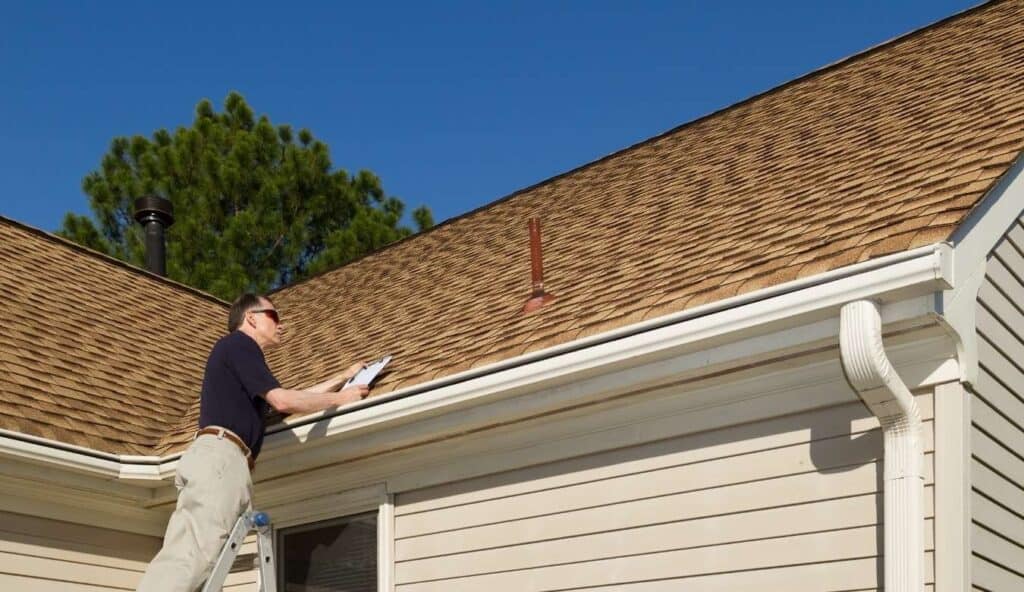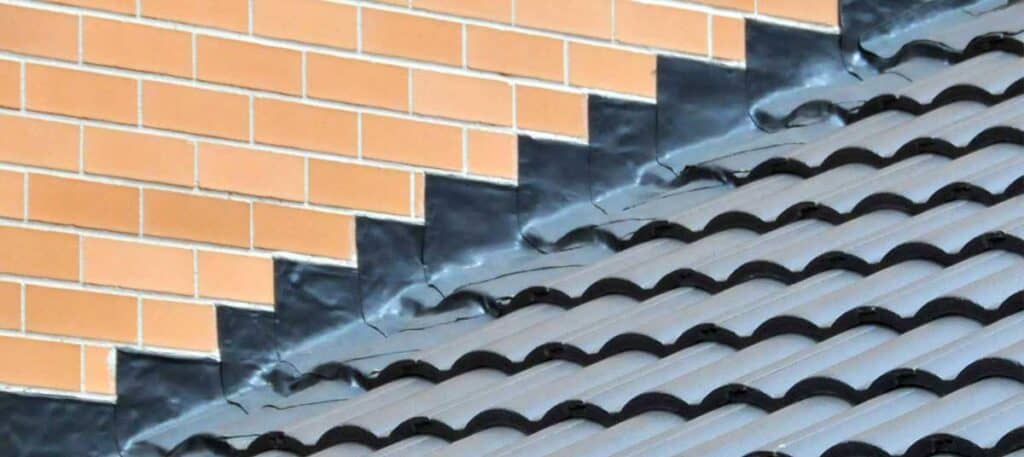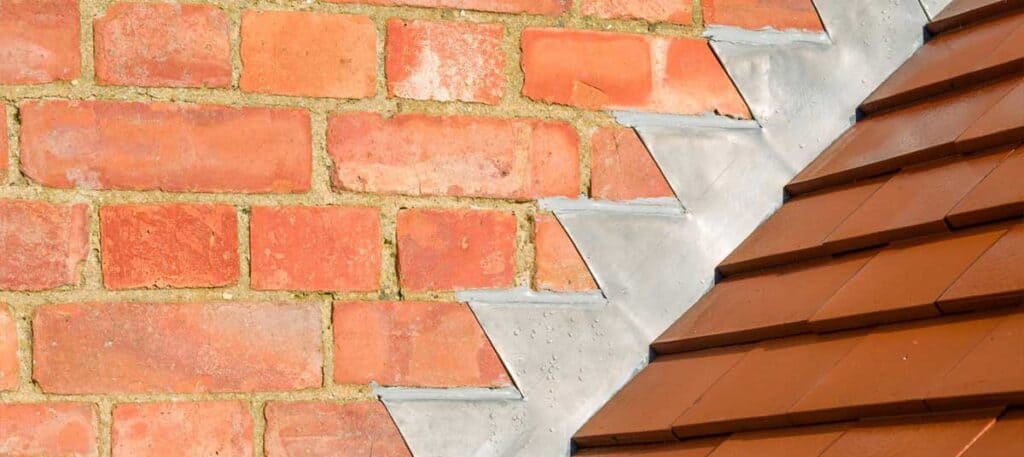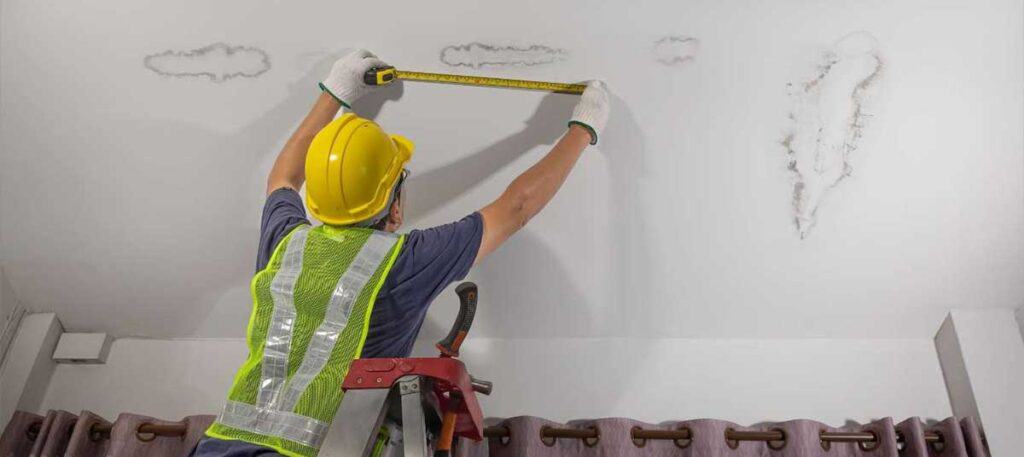
All posts by Denny's Roofing

What Is the Difference Between 5 and 6 Inch Gutters?

If you’re a Colorado homeowner, you already know our weather swings from “sunny and 75” to “hail the size of golf balls” in the blink of an eye. That’s why your gutters are more than just a decorative afterthought—they’re your home’s first line of defense against water damage, leaks, and soggy basements when we have heavy rain and hail.

But when it comes to gutter size, should you opt for the classic 5-inch model or upgrade to the beefier 6-inch model? Let’s break it down: Stranger Things style: sometimes, size does matter.
The Great Gutter Debate: 5-Inch vs. 6-Inch

Picture this: you’re at your favorite coffee shop, and the barista asks if you want a medium or a large. You know the significant costs are a little more, but it means more caffeine and a lower chance of spilling all over your shirt. The same logic applies to gutters—except your “coffee” is rainwater, and the “spilling” is a flooded foundation.

The Basics: What’s the Real Difference?

At first glance, 5-inch and 6-inch gutters look almost identical. However, that extra inch makes a significant difference, much like upgrading from a sedan to an SUV.

Here’s how they stack up:

  • Water Capacity: 5-inch gutters: suitable for moderate rainfall but may struggle during heavy storms. Hold about 1.2 gallons of water per linear foot.
  • 6-inch gutters: designed to handle a larger amount of water during heavy rainfall. Hold about 2 gallons per linear foot—nearly twice as much!

Downspout Size:

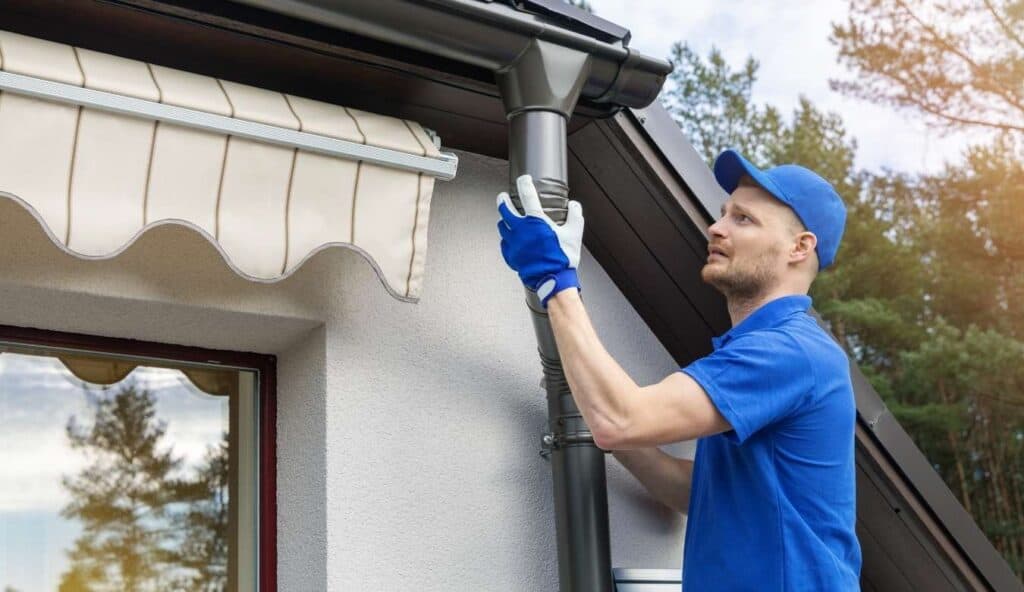
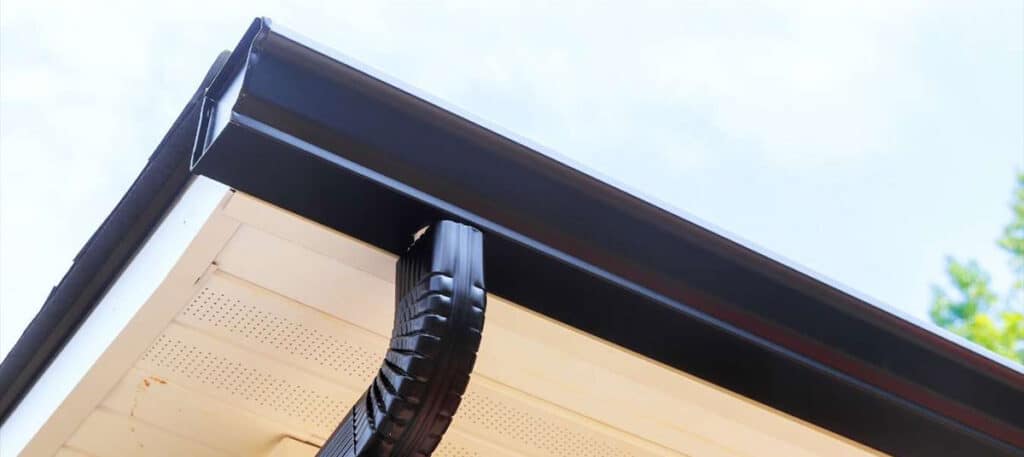
  • 5-inch gutters: Usually paired with smaller (2”x3”) downspouts, which can slow water flow and increase clogging, especially in a seamless gutter system.
  • 6-inch gutters: Use larger downspouts (often 3” x 4”), allowing water to drain faster and reducing the likelihood of clogs.

Maintenance:

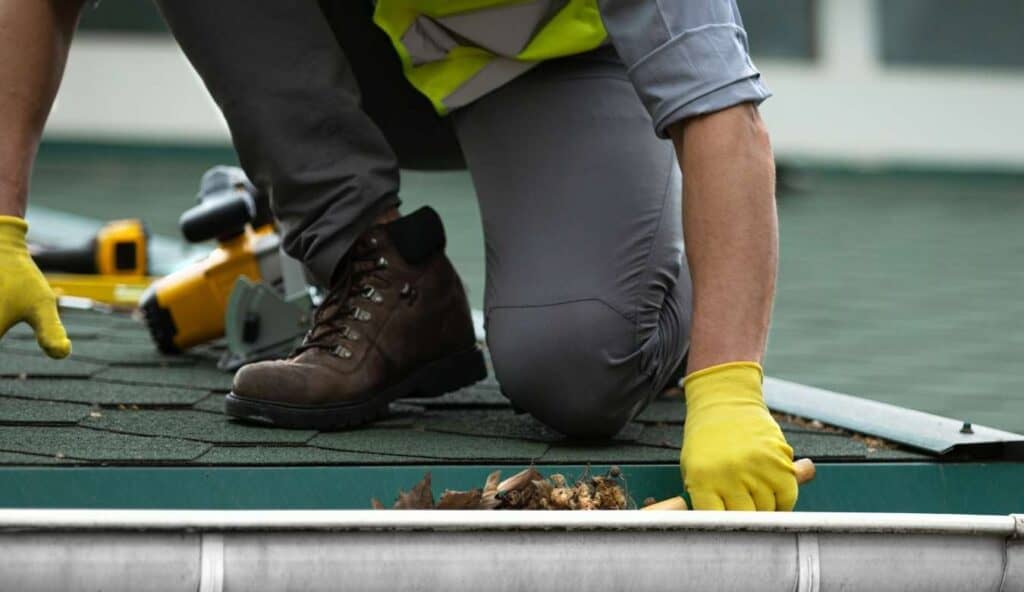
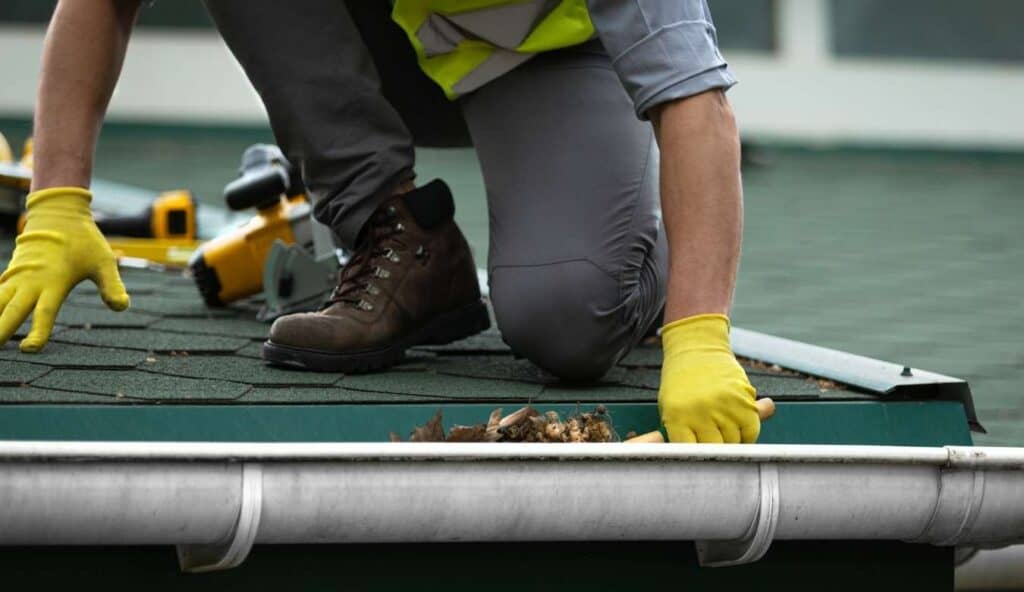
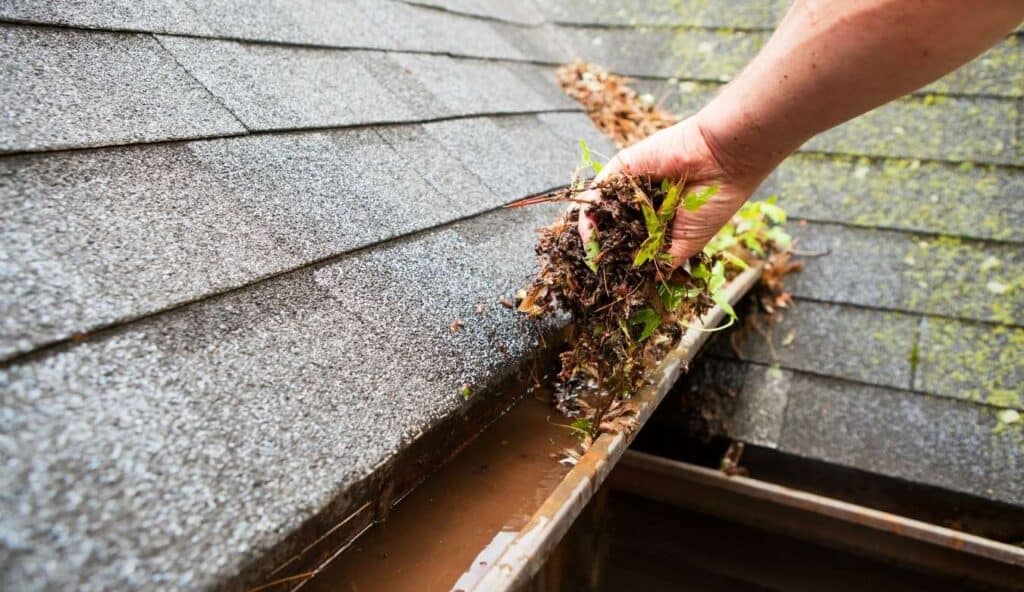
  • 5-inch gutters: More prone to clogging and overflow, especially in heavy rain. Or when they become filled with organic material, such as leaves, twigs, granules, and other debris.
  • 6-inch gutters: Easier to clean (more room for your hand or tools), less likely to clog, and less overflow risk.

Appearance:

  • 5-inch gutters: Standard, unobtrusive, and fit most homes.
  • 6-inch gutters: Look more robust and “pro,” covering more of your fascia board for a cleaner look with a seamless design.

Why Does Gutter Size Matter in Colorado?

Colorado’s weather is like a Netflix drama—full of plot twists. One minute, it’s sunny; the next, it’s pouring rain, and before you know it, there’s hail bouncing off your roof. That’s why choosing the right gutter size is crucial.

The Waterworks

When it rains hard (and it does, especially during our summer monsoons), your gutters need to handle a lot of water fast. If your gutters are too small, they’ll overflow, sending water down your siding, pooling around your foundation, and turning your yard into a swamp. Not exactly the look you’re going for, right?

The Clog Factor

Leaves, pine needles, and even the occasional rogue Frisbee can clog your gutters, making gutter guards a wise investment. Smaller gutters clog faster and are harder to clean. Six-inch gutters give you more room to reach in and clear out debris—think of it as the difference between cleaning a shot glass and a pint glass, especially when using gutter guards.

The Overflow Effect

When gutters overflow, water can seep under your roof, damage your fascia boards, and even leak into your home, making a larger gutter system essential. Six-inch gutters are less likely to overflow, even in a downpour, because they can hold more water and drain it faster.

The Pros and Cons: 5-Inch vs. 6-Inch Gutters

Let’s break it down like a rap battle: 5-inch vs. 6-inch, who’s got the flow?

When Should You Choose 5-Inch Gutters?

If your home is on the smaller side, your roof isn’t too steep, and you don’t get torrential downpours (or you have a lot of trees that drop leaves and needles), 5-inch gutters might be all you need. They’re a little easier to install, cost a bit less, and look just fine, doing the job on most homes.

However, remember that if you have a large roof, a steep pitch, or live in an area with heavy rain or hail, 5-inch gutters may struggle to keep up.

When Should You Upgrade to 6-Inch Gutters?

If you’ve ever watched your gutters overflow during a storm or spent your weekends cleaning out clogs, it’s time to consider 6-inch gutters. Here’s when they’re the better choice: during heavy rainfall larger gutters can prevent overflow.

  • Large Roofs: More roofs = more water, especially when considering a larger gutter system. Six-inch gutters can handle the extra flow, making them ideal for homes with a steep roof pitch.
  • Steep Pitches: Water flows faster off steep roofs, so you need gutters that can keep up with the flow.
  • Heavy Rain or Hail: Colorado storms can dump a significant amount of water in a short period. Six-inch gutters are less likely to overflow.
  • Lots of Trees: If your yard is a leafy paradise, 6-inch gutters are easier to clean and less likely to clog

The Denny’s Roofing Difference

At Denny’s Roofing, LLC, we’re not just roofers—we’re your neighbors. We’ve been serving Colorado communities for years, and we know how to protect your home from whatever the weather throws at you. Whether you need new gutters, a roof inspection, or help with storm damage, we’ve got your back.

We offer:

  • Free inspections and estimates
  • Expert advice on gutter size and style
  • Quality installation with top-notch materials
  • Help with insurance claims and storm damage

We’ll walk you through your options, explain the pros and cons, and make sure you get the gutters that are right for your home, not just the ones that look good in a catalog.
Other Related Questions We Received Related to Gutters

Q: What are the main differences between 5-inch and 6-inch gutters?

A: The main differences between 5-inch and 6-inch gutters are their capacity and size. 6-inch gutters can hold more water and are better suited for areas with heavy rainfall. They also reduce the risk of gutters overflowing during a rainstorm.

Q: How do I decide whether to install 5-inch or 6-inch6-inch gutters?

A: To decide between 5 or 6-inch gutters, consider the size of your roof, the amount of rainfall in your area, and your budget. Larger roofs and regions with heavy rain typically benefit from the larger size of 6-inch gutters.

Q: What is the cost difference between 5-inch and 6-inch gutters?

A: The cost difference between 5-inch and 6-inch gutters can vary, but generally, 6-inch gutters are more expensive due to their larger size and increased material requirements. The price difference can also depend on the type of material used, such as aluminum gutter options.

Q: Are seamless gutters available in both five and 6-inch sizes?

A: Yes, seamless gutters are available in both 5-inch, 6-inch, and 6-inch sizes. Seamless gutters are custom-made to fit the dimensions of your home, reducing leaks and maintenance needs.

Q: How do 6-inch gutters handle heavy rainfall compared to 5-inch gutters?

A: 6-inch gutters can handle heavy rainfall more effectively than 5-inch gutters. The larger size allows them to hold more water, reducing the risk of water overflowing the edge of the gutter during a heavier rainstorm.

Q: Is there a significant price difference per foot between 5-inch and 6-inch6-inch gutters?

A: There is typically a price difference per foot between 5- and 6-inch gutters, with the 6-inch options being slightly more expensive due to the additional material and increased capacity.

Q: Why might a homeowner choose to upgrade to 6-inch gutters?

A: A homeowner might choose to upgrade to 6-inch6-inch gutters if their current 5-inch5-inch gutters are overflowing if they have a larger roof, or if they live in an area with frequent heavy rainfall. The upgrade can help prevent water damage and improve the efficiency of the gutter system.

Q: What are the benefits of installing larger gutters?

A: The benefits of installing larger gutters, such as 6-inch gutters, include better water management during heavy rain, reduced risk of overflow, and improved protection for your home’s foundation and landscaping.

Q: How do gutters and downspouts work together in a 6-inch system?

A: In a 6-inch gutter system, the gutters collect and channel water from the roof to the downspouts, which then direct the water away from the foundation of the home. The larger size of the 6-inch gutters allows them to handle more water, making the system more efficient.
The Bottom Line

Choosing between 5-inch and 6-inch gutters is like picking between a regular and a large coffee: sometimes, a little extra capacity goes a long way. In Colorado, where the weather can change faster than a TikTok trend, it’s smart to invest in gutters that can handle whatever comes your way.

If you are replacing your gutters after a hailstorm and have them covered by Insurance, it is worth discussing the upgrade with your project manager. It’s not always necessary, but when it is, it can be a lifesaver.

If you’re unsure which size is right for your home, please contact Denny’s Roofing. We’ll help you make the best choice for your roof, your budget, and your peace of mind.

Ready to upgrade your gutters? Call Denny’s Roofing today for a free estimate, and let’s keep your home dry, no matter what the weather brings!
How a Poorly Ventilated Roof Kills the Life of Your Roof

Picture this: your roof is like the lungs of your home. If it can’t “breathe,” it’s going to get sick—fast. And just like you wouldn’t want to live in a house with clogged lungs (or worse, your favorite streaming service buffering forever), your roof needs good airflow to stay healthy.

In Colorado, where the weather swings from “I need sunscreen” to “Where’s my parka?” faster than you can say “Taylor’s latest album,” proper roof ventilation isn’t just nice to have—it’s a must. Here’s why a poorly ventilated roof system is inviting trouble for a long, destructive slumber party that can damage your roof shingles.

The Roof’s Got a Secret (And It’s Not a Fun One)

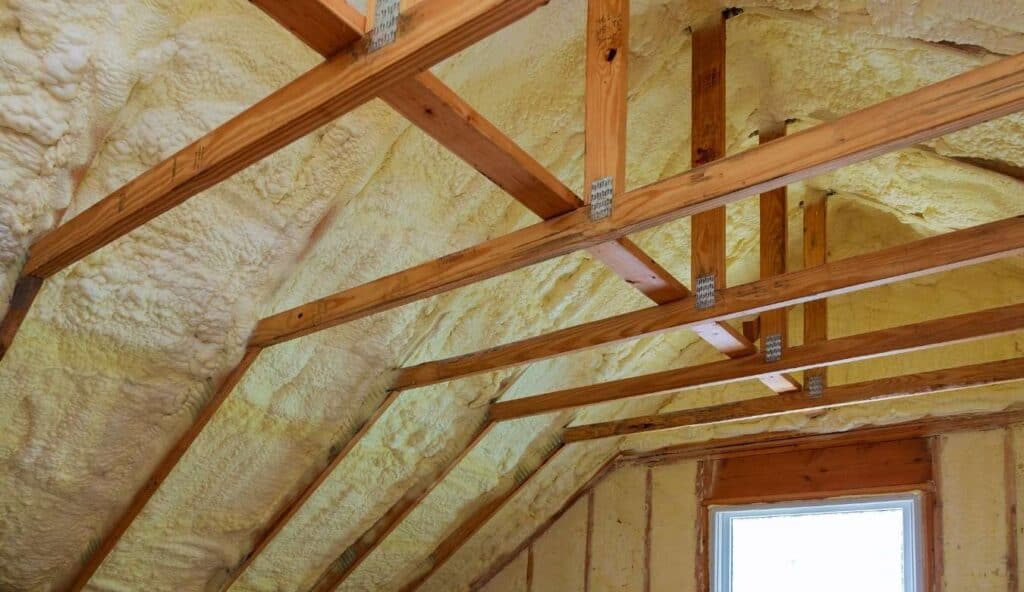
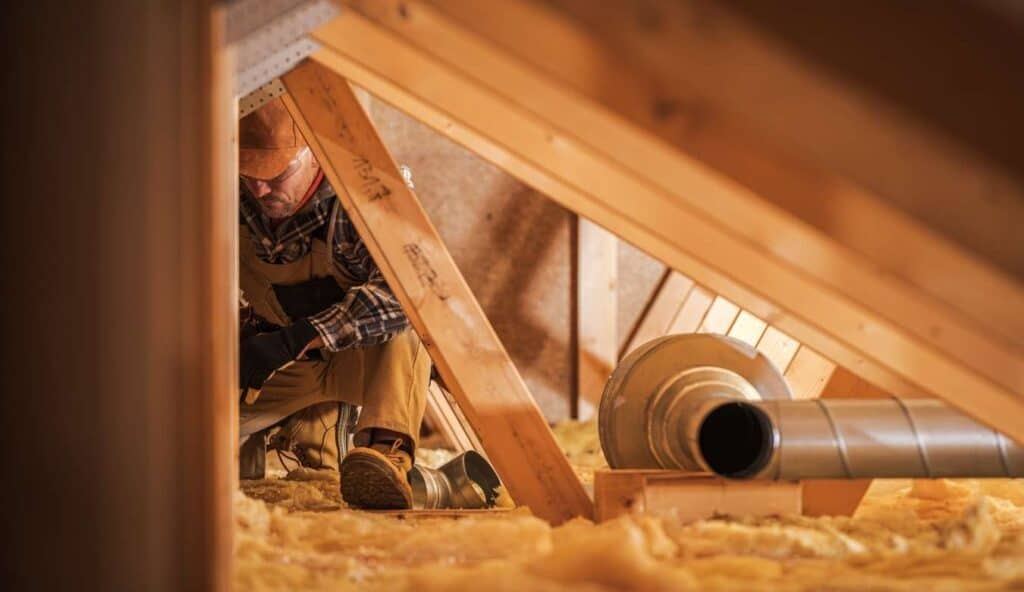
Let’s pull back the curtain. Most homeowners think the only thing between them and the wild blue yonder is a few layers of shingles and maybe some insulation. But your attic is a wild, untamed frontier where heat, moisture, and air currents battle it out—sometimes with disastrous results for your roof shingles without proper attic ventilation.

If your roof is poorly ventilated, it’s like putting your house in a sauna and then turning off the fan. Things can get steamy, soggy, and downright unpleasant.

What Happens When Your Roof Can’t Breathe?

1. Moisture Builds Up Like a Netflix Queue

Colorado’s weather is unpredictable—sunny one minute, snowing the next. When warm, moist air from inside your home rises into the attic and gets trapped (because, you guessed it, poor ventilation), it condenses on the underside of your roof. Over time, this moisture can lead to the growth of mold, mildew, and wood rot. Imagine your roof slowly turning into a science experiment, and not the kind that wins a ribbon at the fair.

2. Ice Dams: The Winter Villains

In Colorado, winter means snow, and snow means potential for ice dams—those pesky ridges of ice that form at the edge of your roof. Poor ventilation allows heat to escape through the roof, melting snow unevenly and potentially damaging your roof decking. The water refreezes at the eaves, creating ice dams that can tear off gutters, damage shingles, and even cause leaks inside your home. It’s like your roof is trying to host a winter carnival, but the only attraction is water damage.

3. Premature Aging: Your Roof’s Midlife Crisis

Heat trapped in your attic can bake your shingles from the inside out, causing them to curl, crack, and lose their protective powers. Think of it as your roof going through a midlife crisis—except instead of buying a sports car, it just starts cracking, leaking, and looking shabby due to a lack of proper attic ventilation.

4. Energy Bills That’ll Make You Cry

Poor ventilation means your attic gets hotter in the summer and colder in the winter, forcing your HVAC system to work overtime. Your energy bills will skyrocket faster than a viral TikTok trend if your attic ventilation is not maintained correctly. Who knew your roof could be such a diva?

5. Mold & Mildew: The Uninvited Guests

Moisture trapped in your attic is a VIP invitation for mold and mildew, which can compromise the integrity of your roof decking. These uninvited guests can spread to your living spaces, causing health problems and expensive cleanup bills. If your attic smells like a locker room, you’ve got a ventilation problem.

The Science (and Magic) of Good Ventilation

So, how do you keep your roof breathing easily? The secret is balance—just like a good playlist, you need the right mix of intake and exhaust.

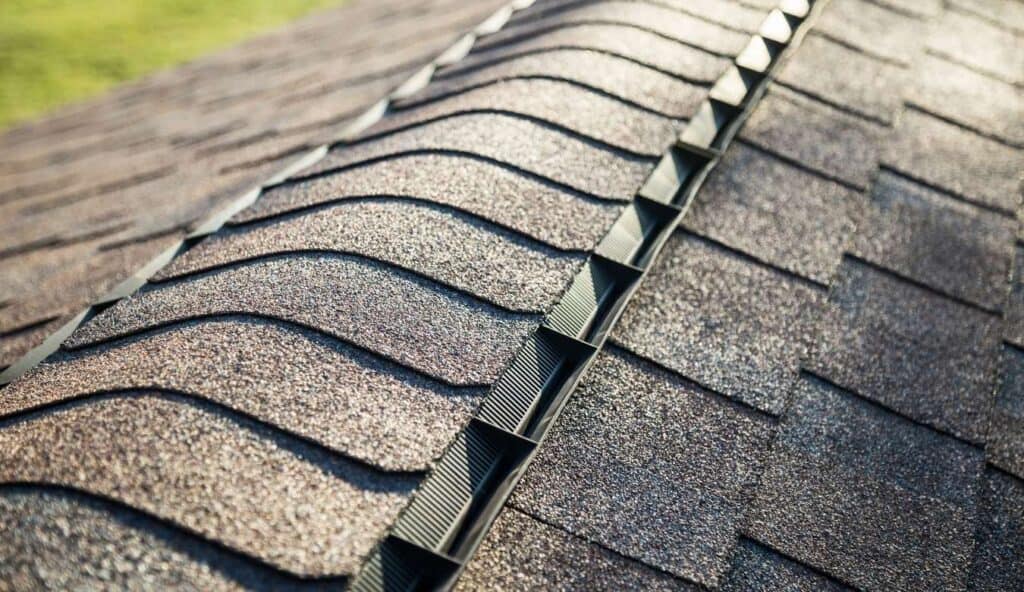
  • Intake Vents (Soffit Vents): These are like the nostrils of your roof, allowing fresh air to enter from under the eaves.
  • Exhaust Vents (Ridge Vents, Gable Vents, Wind Turbines): These are the lungs, letting hot, moist air escape at the top of your roof.
  • Cold Roof Design: Especially important in Colorado’s mountain regions, this design allows air to flow from the eaves to the peak, preventing ice dams and moisture buildup.

A well-ventilated roof helps maintain a consistent attic temperature, prevents ice dams, and prolongs the lifespan of your shingles. It’s like giving your roof system a spa day—every day, ensuring the longevity of your roof shingles.

Colorado’s Climate: The Ultimate Test for Your Roof

Colorado’s weather is like a reality TV show—unpredictable, dramatic, and full of plot twists that can affect your roof system. One day, it’s 80°F; the next, it’s snowing. Your roof needs to be ready for anything, and proper ventilation is its secret weapon.

  • Summer: Hot air gets trapped in your attic, baking your shingles and making your AC work harder.
  • Winter: Warm, moist air from your home rises into the attic and condenses, leading to ice dams and mold.
  • Spring & Fall: Temperature swings can cause condensation and moisture problems if your roof isn’t properly ventilated.

How to Tell if Your Roof is Suffocating

Here are some telltale signs your roof is gasping for air:

  • Ice dams in winter can form due to inadequate attic ventilation, resulting in significant roof damage.
  • Peeling paint or warped siding
  • Mold or mildew in the attic can significantly shorten the life of your roof.
  • High energy bills can result from inadequate ventilation in your roof system.
  • Curling or cracked shingles
  • Unusually hot or cold rooms
  • Musty odors in your home

If you’re experiencing any of these, your roof might be sending out an SOS.

The Denny’s Roofing, LLC Difference

At Denny’s Roofing, LLC, we’re not just roofers—we’re roof whisperers. We know Colorado’s climate inside and out, and we’re experts at diagnosing and fixing ventilation problems. Here’s what sets us apart:

  • Local Experience: We’ve been serving Colorado communities for years, so we know exactly what your roof is up against.
  • Free Inspections: We’ll check your roof and attic for ventilation issues—no pressure, just honest advice.
  • Custom Solutions: Whether you need ridge vents, soffit vents, or a complete ventilation overhaul, we’ve got you covered.
  • Customer Focus: We treat your home like our own, with clear communication and top-notch service to ensure the health of your roof system.

How to give your roof the breath of life:

  • Schedule a Free Inspection: Let us check your attic and roof for ventilation issues.
  • Upgrade Your Vents: If needed, we’ll install or upgrade your intake and exhaust vents.
  • Maintain Regularly: Keep your vents clear of debris and inspect your ventilation system twice a year—spring and fall are ideal times for maintaining proper attic conditions.
  • Watch for Warning Signs: If you notice any red flags, call us before minor problems become big headaches.

Other Related Questions We Received Related to Poor Roof Ventilation

Q: How does improper attic ventilation affect the life of the roof?

A: Improper attic ventilation can cause heat and moisture to accumulate, leading to moisture damage and a weakened roof structure, which can prematurely shorten the roof’s lifespan.

Q: What role does roof ventilation play in extending the life of your roof?

A: Roof ventilation helps extend the life of the roof by allowing fresh air into the attic, reducing heat buildup and moisture accumulation, and preserving the integrity of roofing materials, such as asphalt shingles.

Q: How can heat and humidity impact the roof system?

A: Heat and humidity trapped near the roof can cause damage to the roofing materials and the underside of the roof sheathing, leading to potential moisture damage and weakening of the roof structure.

Q: Why is attic insulation important for roof ventilation?

A: Attic insulation works in conjunction with roof ventilation to regulate temperature and prevent heat and moisture from damaging the roof structure, thereby extending the roof’s lifespan.

Q: What are the signs of inadequate roof ventilation?

A: Signs of inadequate roof ventilation include excessive heat in the attic, condensation, mold growth, uneven snow on the roof, and increased energy bills.

Q: How do roofing professionals inspect your roof for ventilation issues?

A: Roofing professionals inspect your roof by checking the attic airflow, assessing the condition of roof vents, and looking for signs of moisture damage or heat buildup.

Q: What is the role of a roofing contractor in ensuring proper roof ventilation?

A: A roofing contractor ensures proper roof ventilation by installing an adequate roof ventilation system, such as roof vents or a new ridge vent, and advising on necessary repairs or upgrades.

Q: How does moisture damage affect the life of the roof?

A: Moisture damage can deteriorate the roof structure, cause mold and mildew, and lead to costly repairs, ultimately reducing the roof’s lifespan.

Q: What are some standard solutions for improving roof ventilation?

A: Common solutions for improving roof ventilation include installing roof vents, ensuring proper attic airflow, and consulting with a roofing company to address any ventilation issues.

Q: How can a roofing inspector help maintain the life of your roof?

A: A roofing inspector can help maintain the life of your roof by identifying ventilation problems, recommending necessary adjustments, and ensuring that the roof system functions efficiently.

The Bottom Line

A poorly ventilated roof is like a marathon runner with a stuffy nose—it just can’t perform at its best. In Colorado’s mild climate, proper ventilation is crucial for a long, healthy roof life. Don’t let your roof suffocate in silence. Give it the airflow it deserves—and save yourself from costly repairs, high energy bills, and moldy surprises.

At Denny’s Roofing, LLC, we’re here to help your roof breathe easy so you can relax and enjoy your Colorado home—no matter what the weather throws at you.

Ready to give your roof the gift of fresh air? Call Denny’s Roofing, LLC today for a free inspection, and let’s keep your roof healthy, happy, and leak-free!

    Why Colorado Front Range Insurance Agents and Homeowners Trust Denny’s Roofing — and Why You Can Too!

    In the ever-changing climate of Colorado’s Front Range, where hailstorms and high winds are as common as breathtaking mountain views, having a reliable roof over your head is paramount. That’s where Denny’s Roofing, a trusted roofing contractor, comes into play. With a reputation built on trust, quality, and exceptional customer service, it’s no wonder that both homeowners and insurance agents consistently turn to us for their roofing needs.

    🏠 A Legacy of Excellence in Roofing

    Established in 2019, Denny’s Roofing LLC has quickly become a cornerstone in the Longmont community and beyond. Our commitment to excellence is reflected in our A+ rating with the Better Business Bureau and our impressive BuildZoom score of 113, placing us above 97% of contractors in Colorado. All 5-star reviews on Google. These accolades are not just numbers; they represent our unwavering commitment to delivering exceptional artistry and customer satisfaction.

    🤝 Building Trust with Insurance Agents

    Navigating insurance claims can be a daunting task for homeowners. That’s why well over 100 local insurance agents have put us through the “vetting process” and appreciate our expertise and transparency, recommending us to their clients. We provide detailed and informative roof inspections, accurate estimates, and clear communication throughout the claims process. Our familiarity with various insurance protocols ensures a seamless experience for all parties involved, making us a preferred partner for many insurance professionals in the region.

    🛠️ Comprehensive Roofing Services

    At Denny’s Roofing, we offer a wide range of roofing services to meet the diverse needs of our clients, including shingle installation and repairs.

    • Residential and Commercial Roofing: Whether it’s a cozy home or a sprawling commercial property, we have the expertise to handle projects of any size and scope.
    • Roof Replacements and Repairs Done Right: From minor leaks to complete overhauls, our team ensures your roof is in top condition.

    Colorado weather can be unpredictable, making a reliable roofing contractor crucial. We specialize in restoring roofs damaged by hail, wind, and other elements using high-quality roofing materials.
    Insurance Claim Assistance: Our team works closely with insurance companies to streamline the claims process for our clients.

    We also offer:

    🌟 Customer Testimonials: Voices of Satisfaction

    Our clients’ feedback speaks volumes about our commitment to excellence:

    “Denny and his crew did a professional job redoing our roof after a hailstorm. He provided a timely estimate, scheduled us at a convenient date, and kept us informed about the project’s progress. Our roof, gutters, screens, and light look great! We would recommend Denny for your home and roof repair.”

    — Tana L.

    “My experience with Denny’s Roofing LLC was beyond my expectations. They were professional, reliable, and did a comprehensive job on my roof. The team was friendly and ensured that every detail was taken care of. I highly recommend their services to anyone in need of roofing work, particularly those requiring a new roof.

    — Jane M.

    Being locally owned and operated, we understand the unique challenges homeowners in the Front Range face with residential roofing. Our deep roots in the community drive us to deliver personalized services tailored to each client’s needs, ensuring that every roof inspection is thorough. We believe in building lasting relationships, not just roofs, which is why our team of expert roofers is committed to delivering high-quality service. Additionally, Denny grew up in a Colorado construction family. He was an installer himself for years before starting his own company, so he could provide the old-fashioned customer service his family once offered.

    Other Related Questions We Received Related to Roofing Companies

    Q: Why do homeowners throughout the Colorado Front Range trust Denny’s Roofing?

    A: Homeowners trust Denny’s Roofing because we are a reputable roofing company recognized for delivering expert roofing services and fostering lasting relationships with homeowners throughout the Colorado Front Range. Our roofing team takes pride in providing a stress-free experience from start to finish.

    Q: How can Denny’s Roofing help with an insurance claim for roof replacement?

    A: Denny’s Roofing goes above and beyond by working closely with your insurance adjuster to ensure everything is handled smoothly. We provide expert roofing solutions and assist in the entire insurance claim process, giving you peace of mind.

    Q: What makes Denny’s Roofing different from other roofing companies?

    A: Unlike many roofing companies, Denny’s Roofing is a premier roofing expert that offers personalized service and attention to detail. Our experienced roofing contractor and project manager work every step of the way to deliver exceptional results.

    Q: How do I know if I need a full roof replacement?

    A: If you suspect wind or hail damage or notice signs of wear, it’s essential to schedule a roof inspection with our roofing professional. We provide a complete roof assessment to determine if a full roof replacement is necessary.

    Q: Can Denny’s Roofing handle hail damage repairs?

    A: Yes, we specialize in repairing hail damage. Our expert roofing team is trained to effectively address wind or hail damage and restore your roof to its optimal condition.

    Q: What roofing materials does Denny’s Roofing offer?

    A: We offer a variety of roofing materials to suit your needs and preferences. As a premier roofing company, we ensure that our materials meet the highest standards for both durability and aesthetics.

    Q: How long does a roof replacement take with Denny’s Roofing?

    A: The duration of a roof replacement depends on the size and complexity of the roofing job. However, our responsive roofing team works efficiently to complete the work done right and on time.

    Q: What should I expect during a roof inspection?

    A: During a roof inspection, our roofing professional will thoroughly assess your roof’s condition, identify any issues, and provide expert recommendations for repair or replacement.

    Q: Why should I choose Denny’s Roofing for my new roof?

    A: Choosing Denny’s Roofing means choosing a company that takes pride in delivering quality and reliability. We are committed to providing a stress-free experience and ensuring your new roof meets your expectations.

    Q: How can I contact Denny’s Roofing for roofing services?

    A: You can call us to discuss your roofing needs and schedule a consultation. Let us assist you with expert roofing services tailored to your specific needs.

    📞 Ready to Experience the Denny’s Difference?

    If you’re on the Colorado Front Range and need professional roofing services you can trust, look no further than Denny’s Roofing. Our team is ready to provide you with top-notch service, ensuring your home is protected against the elements.

    Contact Us Today for Professional Roofing Services:

    Phone: (970) 275-4012
    Address: 2130 Main St Suite #14B, Longmont, CO 80501

    Denny’s Roofing LLC – Building Strong Roofs and Stronger Communities

    Understanding RCV, ACV, RPS & Depreciation in Your Insurance

    Imagine this: Your roof has just endured a Colorado hailstorm or windstorm, and you’re now faced with an insurance estimate filled with acronyms like RCV, ACV, RPS, and terms like depreciation. It’s like deciphering a secret code, especially when dealing with ACV policies and RCV coverage. But fear not! We can help you navigate the complexities of replacing your roof. At Denny’s Roofing, we’re here to decode these terms and guide you through the process with clarity and possibly a touch of humor to take the pain out of the process.

    🧠 Understanding the Key Terms

    Replacement Cost Value (RCV)

    RCV stands for Replacement Cost Value. It’s the amount your insurance company estimates it would cost to replace your damaged roof with a new one of similar kind and quality without factoring in any depreciation, which is crucial for understanding your RCV coverage. Think of it as the full price tag for a brand-new roof.

    Actual Cash Value (ACV)

    ACV, or Actual Cash Value, is the RCV (Replacement Cost Value) minus the depreciation based on the age of your current roof, which affects your out-of-pocket cost. It’s the current value of your roof, taking into account its age, wear, and tear. This is the amount your insurance company initially pays out. This is a subjective amount determined by your Field Adjuster with your insurance provider during the roof inspection.

    Roof Payment Schedule (RPS)

    RPS is a policy endorsement that adjusts the payout based on the age of your roof. More and more Insurance Providers are going to a policy like this. For example, suppose your roof is 10 years old. In that case, the insurance company may only pay a partial percentage of the replacement cost minus your deductible, leaving you to cover the remaining amount. It’s crucial to understand if your policy includes an RPS clause. Some companies will depreciate the value of your roof as much as 60% the moment your roof hits the 10-year mark, leading to higher out-of-pocket costs for homeowners. This type of policy is more affordable, but when it’s time to get a new roof, you will have a significant out-of-pocket expense. And the cost of a new roof can be substantial if you’re not prepared for it.

    Depreciation

    Depreciation represents the reduction in the value of your roof over time due to age and usage, which can significantly impact the full cost of replacement. In insurance terms, it’s the amount subtracted from the RCV to determine the ACV.

    💰 The Payment Process Explained

    When you file a claim, here’s how the payment process typically unfolds if you have an RCV Policy:
    Initial Payment (ACV minus deductible): After assessing the damage, your insurance company will determine the depreciated value of your roof and issue a check for the Actual Cash Value (ACV), which is the amount minus your deductible. You will need to pay your Roofing Contractor when the work is completed, often out of pocket if your insurer does not cover the cost.

    Recoverable Depreciation is crucial for understanding your full replacement options. Once the roof replacement is completed and you or your Contractor submitted the necessary documentation, the insurance company releases the depreciation amount, provided your policy includes recoverable depreciation. This will also include any “supplements” that your Contractor has added and cleared with your insurance company, which were discovered after the work started. This also will consist of “code upgrades” too.

    Note: Always review your policy to ensure you are aware of any out-of-pocket costs related to roof replacement. If your policy includes non-recoverable depreciation, you won’t receive this second payment, and you’ll be responsible for covering the depreciation amount out of pocket. Additionally, ensure that you pay close attention to your Policy details and have your insurance agent review your policy with you each year. The details are changing more frequently these days due to climate change and its impact on the cost of roof replacement. Deductible amounts are increasing, coverage is evolving, and Policies are being updated to ACV or RPS policies. As a result, you may miss the change to your policy.

    Who reads all the monthly letters from the Insurance Company? Not many people do. So arm yourself with a policy review now and then to avoid unexpected out-of-pocket expenses when it’s time to replace your roof.

    Other Related Questions We Received Related to Homeowners Insurance

    Q: What is the difference between Replacement Cost Value (RCV) and Actual Cash Value (ACV) in insurance coverage?

    A: Replacement Cost Value (RCV) is the amount needed to replace your damaged property without factoring in depreciation, while Actual Cash Value (ACV) is the depreciated value of the property at the time of the loss. Understanding RCV and ACV helps in making informed decisions about your insurance coverage.

    Q: How does depreciation affect my insurance claim?

    A: Depreciation reduces the value of the damaged property in an insurance claim. When choosing between ACV and RCV, it’s essential to consider that ACV coverage pays out the depreciated value. In contrast, replacement cost coverage covers the cost to repair or replace without factoring in depreciation.

    Q: What should I know about filing an insurance claim for roof damage?

    A: When you file an insurance claim for roof damage, contact your insurance agent to understand your coverage options. Your insurance carrier will assess the cost to repair or replace the roof, taking into account whether your policy covers replacement cost value (RCV) or actual cash value (ACV).

    Q: How do homeowners insurance policies handle the cost to repair or replace damaged property?

    A: Homeowners insurance policies may offer either replacement cost coverage or actual cash value coverage. Replacement cost coverage pays the full cost to repair or replace an item without considering depreciation, whereas Actual Cash Value (ACV) coverage factors in depreciation, paying the depreciated value.

    Q: What is a deductible, and how does it impact my insurance claim?

    A: A deductible is the amount you pay out-of-pocket before your insurance coverage kicks in. Understanding insurance deductibles is crucial, as a higher deductible can lower your premium but increase your costs when filing a claim.

    Q: Why is understanding RCV and ACV important when choosing the right insurance policy?

    A: Understanding RCV and ACV is essential because it affects how much you receive in a claim. Replacement cost coverage provides more comprehensive protection by covering the full cost to repair or replace, while ACV coverage offers a lower payout based on depreciated value.

    Q: How can I determine the right insurance coverage for my needs?

    A: To determine the right insurance coverage, assess the value of the damaged property you want to protect and decide whether you prefer replacement cost coverage or ACV coverage. Consult with your insurance agent to explore various insurance options and select a policy that best suits your needs.

    Q: What role does the insurance carrier play in the claims process?

    A: The insurance carrier evaluates your claim, determines the value of the damaged property, and decides whether to repair or replace it based on your policy’s terms. They also calculate the payout amount, taking into account whether your coverage is RCV or ACV.

    Q: How can I replace my roof effectively under my insurance policy?

    A: To replace your roof effectively, first understand your insurance terms and coverage. Contact your insurance agent to clarify whether your policy includes replacement cost coverage or Actual Cash Value (ACV). This will guide you on how much of the repair or replacement costs will be covered.

    🏠 Why Choose Denny’s Roofing LLC?

    At Denny’s Roofing LLC, we understand that navigating insurance claims can be a daunting task. Our experienced team is here to assist you every step of the way, ensuring you know your insurance estimate and get the coverage you deserve.

    We specialize in working with insurance companies and can help identify any discrepancies or missing items in your scope of work. Our goal is to ensure your roof is restored to its pre-storm condition—or better.

    Ready to Get Started?

    If you’re dealing with storm damage and need assistance understanding your insurance estimate, contact Denny’s Roofing LLC today. We’re here to provide expert guidance and top-quality roofing services to homeowners in Longmont and the surrounding areas, ensuring you understand your RV coverage options.

    📍 Address: Please ensure it is accurate to avoid issues with your insurer. 2130 Main St Suite #14B, Longmont, CO 80501

    📞 Phone: (970) 275-4012 – Call us for assistance with your damaged property.

    The Biggest Myth About Shingles and Their Underlayment – Why the Underlayment Is the Bedrock to Leak-Free Roofing

    🎬 Opening Scene: The Shingle Showdown

    Imagine this: a roofer who understands the importance of ventilation and insulation in your roofing system. You’re binge-watching your favorite home improvement show, and the host is raving about the latest shingle, tile, or metal roof styles. He’s discussing the colors, textures, hail resistance, and even eco-friendly options.

    Shingles are the stars of the roofing world, flaunting their curb appeal and stealing the spotlight. But here’s the plot twist: beneath those glamorous shingles lies the unsung hero of your roof—the underlayment. The shingles, tile, or metal roofing material that you see from your curb is the cherry on top of what keeps your house dry and not a soggy mess.

    And most, if not all, homeowners are unaware of it.

    At Denny’s Roofing, LLC, we believe it’s time to give underlayment its moment in the sun (and rain and snow). We’re here to debunk the myth that shingles alone are the key to a leak-free roof.

    Spoiler alert: without a solid underlayment, your shingles are like a superhero without their suit—vulnerable and exposed.

    🕵️‍♂️ Myth Busted: Shingles Alone Can’t Save the Day

    Let’s set the record straight. Shingles are essential—they protect your home from extreme weather elements and add aesthetic appeal —but they must be complemented with proper ventilation. But relying solely on asphalt shingles to keep your home dry is like expecting a raincoat to keep you warm in a blizzard; proper underlayment is key. Without the proper layers underneath, you’re in for a soggy surprise.

    The underlayment is the critical layer between your shingles, as well as tile and metal roofing, and your roof deck. It acts as a secondary and significant weather barrier against water infiltration, especially during Colorado’s unpredictable weather conditions. Think of it as the unsung sidekick that ensures your roof’s longevity and performance.

    Underlayment: The Foundation of a Leak-Free Roof

    1. Water Resistance is significantly enhanced with the right combination of underlayment and insulation.

    Underlayment provides what we consider the MAIN layer of protection against water intrusion. If shingles are damaged or blown off during a storm, the underlayment helps prevent water from seeping into your home. Interesting fact: If you have your roof what we refer to as being properly “dried-in,” meaning it has an adequate layer of underlayment but no shingles, tiles, or metal, it can withstand rain and water intrusion for about 6 to 9 months on its own.

    The shingles, tiles, and/or metal roof covering, along with proper insulation, protect the roof from extreme weather elements such as snow, hail, high winds, monsoon rains, and similar conditions. The shingles also protect it from the harsh UV rays of the summer heat. It keeps the underlayment from deteriorating prematurely.

    2. Weather Protection is crucial for any new roof installation.

    Colorado’s climate can be harsh, with heavy snowfall, hailstorms, and intense UV exposure, making proper insulation and ventilation essential. A high-quality underlayment shields your roof deck from these elements, reducing the risk of leaks and structural damage.

    3. Fire Resistance

    Some underlayment materials offer fire-resistant properties, providing an added layer of safety for your home. This is particularly important in areas prone to wildfires.

    4. Improved Longevity

    By protecting the roof deck from moisture and other damaging elements, underlayment extends the life of your entire roofing system. It’s an investment in the long-term health of your home.

    🛠️ Denny’s Roofing: Your Underlayment Experts

    At Denny’s Roofing, LLC, we don’t just slap on a roof covering like asphalt shingles and call it a day; we ensure proper installation for maximum durability and long-term performance. We understand that a durable, leak-free roof starts with a high-quality underlayment. Our team of experienced professionals ensures that every layer of your roof is installed with precision and care.

    We offer a range of underlayment options tailored to your specific needs and budget, ensuring your new roof is built to last. Whether you’re dealing with a flat roof, a steep slope, or anything in between, we’ve got you covered—literally.

    Serving Longmont and Beyond

    Based in Longmont, Colorado, Denny’s Roofing, LLC is proud to serve homeowners and businesses throughout the entire Front Range, as well as select mountain communities. Our commitment to quality artistry and customer satisfaction has earned us a reputation as one of the top roofing contractors in the area.

    Don’t just take our word for it—our satisfied customers speak volumes:

    “Denny’s Roofing replaced our roof after a hailstorm, and we couldn’t be happier. The team was professional and efficient, and the quality of work was outstanding.”

    — Sarah M., Longmont, CO

    📞 Ready to Protect Your Home?

    If you’re considering a roof replacement or repair, don’t overlook the importance of underlayment, especially when common roofing myths surround its necessity. Contact Denny’s Roofing, LLC today for a free inspection and estimate. Our experts will assess your current roofing system and recommend the best underlayment options to ensure your home stays dry and protected for years to come.

    📍 Address: 2130 Main St Suite #14B, Longmont, CO 80501
    📞 Phone: (970) 275-4012

    Other Related Questions We Received Related to Myths About Roofing

    Q: What is the biggest misconception about roofing underlayment?

    A: A common misconception is that roofing underlayment is not as important as the shingles themselves. In reality, the underlayment acts as a crucial barrier against leaks and is essential for the longevity and effectiveness of your roof.

    Q: How does roofing underlayment contribute to energy efficiency?

    A: Roofing underlayment can enhance energy efficiency by providing an additional layer of insulation, which helps regulate attic temperatures and potentially reduces energy bills.

    Q: Why is it a myth that all asphalt shingles are created equal?

    A: Not all asphalt shingles are created equal; they vary in quality, durability, and energy efficiency. Selecting the right type for your specific climate and roofing needs is crucial for achieving optimal performance.

    Q: Can you install a new layer of shingles over old ones?

    A: While it is possible to install a new layer of shingles over existing ones, it is generally not recommended. This practice can lead to improper installation and added weight and may conceal underlying damage to your roof.

    Q: How does improper installation of roofing materials affect the life of your roof?

    A: Improper installation can lead to leaks, reduced energy efficiency, and premature wear, ultimately shortening the life of your roof and necessitating more frequent roof repairs.

    Q: What role does roof ventilation play in maintaining your roof?

    A: Proper roof ventilation is crucial in preventing heat and moisture buildup in the attic, which can lead to higher energy bills and damage to your roof over time.

    Q: Is the color of your shingles important for energy efficiency?

    A: Yes, the color of your shingles can impact energy efficiency. Lighter-colored shingles reflect more sunlight, helping to keep your roof and attic cooler, which can reduce energy bills.

    Q: How often should you perform a roof inspection?

    A: It is recommended to inspect your roof at least once a year and after major storms to identify and address any potential issues promptly, thereby preventing costly roof repairs.

    Q: What are some common myths about roofing that homeowners should be aware of?

    A: Common myths include the belief that all roofing materials are created equal, that new shingles alone can solve all roofing problems, and that roof repairs are only necessary when leaks are visible.

    Q: Why is it essential to replace your roof rather than just adding a new layer of shingles?

    A: Replacing your roof ensures that any underlying issues are addressed, provides an opportunity to upgrade insulation and ventilation, and ultimately extends the life of your roof, improving energy efficiency and reducing long-term costs.

    🧠 Final Thoughts: Don’t Underestimate Underlayment

    In the world of roofing, “underlayment” may not be the most glamorous component, mainly because it’s totally out of sight. Still, it’s undoubtedly one of the most crucial in debunking common myths. Think of it as the foundation that supports the entire structure of your roof.

    At Denny’s Roofing, LLC, we’re committed to educating our clients and providing top-notch roofing solutions. Remember, a beautiful roof starts from the bottom up.

    So, the next time you admire a home’s stunning shingles, take a moment to appreciate the underlayment working tirelessly beneath the surface. After all, it’s the bedrock of a leak-free roof.

    Denny’s Roofing, LLC – Building Strong Roofs and Stronger Communities

      Why Denny’s Roofing is the Best Choice for a Full Roof Replacement—and What Makes Them Different Than Other Roofing Companies

      Spoiler alert: It’s not just the free estimates (though those are pretty sweet, too).

      Let’s face it—living in Colorado means your roof takes a beating. Between hailstorms that sound like Thor’s having a tantrum and winds that could give Dorothy a run for her money, your roof needs to be as rugged as a mountain goat in hiking boots.

      That’s where Denny’s Roofing comes in as your trusted roofing expert. We’re not just another roofing company; we’re your neighbors, your fellow Coloradans, and your go-to team for turning “Oh no!” into “Oh wow!”

      🛠️ What Sets Denny’s Roofing Apart?

      1. We’re Local Legends (In the Best Way)

      Based in Longmont, with additional locations in Windsor and Loveland, Denny’s Roofing is as Colorado as craft beer and ski passes. We are familiar with local building codes, the unique characteristics of Colorado weather, and the best materials to withstand both.

      2. 5-Star Service That’s 5-Star

      With over 245 glowing reviews on platforms like Birdeye and a BuildZoom score of 113 (placing us in the top 3% of contractors in Colorado), our reputation speaks for itself. Our clients rave about our professionalism, efficiency, and attention to detail.

      3. We Handle the Insurance Hassle

      Dealing with insurance claims can feel like navigating a maze with a blindfold on. Our team specializes in storm damage and insurance claims, ensuring you get the coverage you deserve without the headache.

      4. Freebies Galore

      Who doesn’t love free stuff? We offer:

      • Free Roof Inspections: We’ll assess your roof’s condition and identify any issues.
      • Free Estimates: No surprises here—just transparent pricing.
      • Free Class IV Shingle Upgrades: Enhance your roof’s durability at no extra cost.
      • Free Roof Certifications: Ideal for buyers or sellers seeking that extra assurance.

      We’re Not Just Roofers; We’re Home Improvement Heroes

      Beyond roofing, we offer a suite of services to keep your home in top shape:

      • Gutter Installation
      • Ridge Vent and Deck Intake Installation
      • Windows and Siding Repairs & Installations
      • Painting Bids

      🏡 Residential & Commercial Roofing Done Right

      Whether you’re a homeowner needing a complete roof replacement or a business owner looking to protect your investment, we’ve got you covered—literally.

      Residential Roofing: From asphalt shingles to tile and metal roofs, we provide durable, aesthetically pleasing solutions tailored to your home’s needs.

      Commercial Roofing: We understand the unique challenges of commercial properties’ flat roofing and offer solutions that minimize disruption to your operations while maximizing protection.

      🌟 Our Promise: The Denny’s Roofing 5-Star Service Guarantee

      We’re so confident in our work that we offer a 5-star Service Guarantee.

      That means:

      • Quality Workmanship: Our team is trained, experienced, and meticulous in all aspects of your job, ensuring thorough attention to detail.
      • Transparent Communication: We keep you informed every step of the way, maybe to a fault. We want you to have a clear understanding of the process and timing of your project at all times.
      • Timely Completion: We respect your time and stick to our schedules. Things happen, and we do our best to ensure the roofing services are completed on time.
      • Clean Worksites: We leave your property as clean as we found it or better.
      • Customer Satisfaction: Your happiness is our success metric, and we strive to achieve it through our comprehensive roofing services.

      🧰 The Denny’s Roofing Process: What to Expect

      • Initial Contact: Reach out to us via phone, email, or our Website to schedule your complimentary inspection.
      • Inspection & Estimate: We conduct a thorough assessment of your roof and provide a detailed inspection report along with an accurate estimate.
      • Insurance Assistance: If applicable, we guide you through the insurance claim process and handle most of the paperwork, allowing you to focus on the details. We walk you through the entire process step by step.
      • Project Execution: Our skilled team completes the work efficiently and professionally. You will receive a 5-star experience.
      • Final Walkthrough: When We Are Done…We ensure that you’ll be satisfied with the results, and we are committed to addressing any concerns and making things right.

      📍 Serving the Colorado Front Range

      Our Main service areas include:

      • Longmont/Loveland/Berthoud/Mead
      • Ft Collins/Windsor/Severance/Wellington/Greeley
      • Boulder/Louisville/Lafayette/Superior
      • Entire Denver Metro Area/Wheat Ridge/Lakewood/Golden
      • Parker/Castle Rock/Highlands Ranch/Littleton
      • Evergreen/Idaho Springs and the Foothills of the Mountains. communities

      No matter where you are along the Front Range, Denny’s Roofing is ready to bring top-tier roofing solutions to your doorstep.

      🎯 Why Choose Denny’s Roofing?

      • Local Expertise: We understand Colorado’s unique climate and building requirements.
      • Comprehensive Services: From inspections to full replacements, our roofing contractors do it all with expertise and care.
      • Customer-Centric Approach: Your satisfaction is our top priority, especially when it comes to roof installation and repair.
      • Proven Track Record: Our reviews and ratings speak volumes about Denny’s Roofing’s commitment to quality roofing services.

      Other Related Questions We Received Related to Roof Repair and Having a New Roof

      Q: Why should I choose Denny’s Roofing for a complete roof replacement?

      A: Denny’s Roofing stands out due to its commitment to quality and customer satisfaction. They offer a comprehensive roof replacement process that ensures your home is protected from start to finish. Their roofing team is experienced and uses only the best roofing materials to meet your needs.

      Q: What makes Denny’s Roofing different from other roofing companies?

      A: Denny’s Roofing is known for its company’s 5-star reputation and dedication to providing roofing you can trust. They offer personalized Service, free roof estimates, and insurance claim assistance to make the process as smooth as possible for their clients.

      Q: Does Denny’s Roofing provide services for both residential and commercial properties?

      A: Yes, Denny’s Roofing offers services for both residential and commercial properties. They are equipped to handle a variety of roofing needs, from shingle roofs to flat roofs, ensuring that all exterior needs are met with professionalism and expertise.

      Q: What types of roofing materials does Denny’s Roofing use?

      A: Denny’s Roofing uses a variety of high-quality roofing materials, including asphalt shingle roofs, to provide a durable and reliable defense against the elements. Their roofing experts will help you choose the best materials to protect your home.

      Q: Does Denny’s Roofing offer an artistry warranty?

      A: Yes, Denny’s Roofing offers an artistry warranty to ensure that their work meets the highest standards. This warranty provides peace of mind that your roof replacement will be completed with care and precision.

      Q: How does Denny’s Roofing handle insurance claim assistance?

      A: Denny’s Roofing provides comprehensive insurance claim assistance to help you navigate the complexities of filing a claim for roof damage. They work closely with you and your insurance company to ensure a smooth and efficient process.

      Q: What should I expect during the roof replacement process with Denny’s Roofing?

      A: The roof replacement process with Denny’s Roofing is thorough and customer-focused. From the initial free roof inspection to the final installation, their roofing team ensures that each step is completed to meet your needs and protect your home.

      Q: Does Denny’s Roofing operate in the Colorado Front Range area?

      A: Yes, Denny’s Roofing serves the Colorado Front Range area, providing premier roofing services to protect homes and businesses from the region’s unique weather challenges, including hail and other elements.

      Q: Can Denny’s Roofing help with a hail-damaged roof?

      A: Absolutely; Denny’s Roofing is experienced in handling hail-damaged roofs. They offer free roof inspections to assess the extent of the damage and provide expert recommendations for repair or replacement.

      Q: What is included in Denny’s Roofing’s free roof estimates?

      A: Denny’s Roofing’s free roof estimates include a detailed assessment of your roofing needs, potential costs, and recommendations for materials and services. This ensures that you have all the necessary information to make an informed decision about your roof replacement.

      📞 Ready to Elevate Your Roof?

      Don’t wait for the next hailstorm to test your roof’s limits. Contact Denny’s Roofing today for your free inspection and estimate.

      📍 Longmont Office: 2330 Main St Ste D, Longmont, CO 80501
      📍 Windsor Office: 220 Turnberry Dr, Windsor, CO 80550
      📍 Loveland Office: 1401 S Taft Ave #102, Loveland, CO 80537

      Call us today: 970-275-4012

      Let’s make your roof the MVP of your home. 🏆

      Remember, when it comes to roofing in Colorado, Denny’s Roofing is not just a choice—it’s the best choice.

        Learning From Mistakes: Common Roofing Errors and How to Fix Them (Without Losing Your Shingles)

        Let’s face it: roof problems can arise unexpectedly. We’ve all made some bad decisions.

        Maybe you trusted a “budget roofer” who showed up in a minivan with a ladder tied to the roof using duct tape. Or perhaps you tried a little DIY action after watching two YouTube videos and thought, “How hard can it be?”

        Spoiler alert: It may require replacing damaged shingles. It can be hard. Especially when it comes to your roof, the literal crown of your castle, is your asphalt shingle roof. So let’s talk about the most common roofing mistakes, how to avoid them, and how to maintain your asphalt shingle roof. Denny’s Roofing—your friendly, local Colorado roofing company—can swoop in to save the day.

        Why Roofing Mistakes Matter in Colorado (More Than You Think)

        Colorado roofs take a beating. Hailstorms, snow dumps, chinook winds that feel like Mother Nature’s hairdryer—all while your roof sits there, quietly doing its job.

        Until it doesn’t.

        Ignoring roofing issues or making common mistakes can lead to:

        • Water damage
        • Mold (the kind of green you don’t want in your home)
        • Decreased resale value
        • Higher energy bills can result from an inefficient roof system.
        • Insurance nightmares

        But fear not—we’re here to educate, not shame. Let’s dive into the Top roofing errors that can compromise your roof system. We see all over Colorado, and what you can do to fix (or avoid) them.

        1. DIY Roofing (a.k.a. The “Hold My Beer” Approach)

        We get it. You’re handy. You’ve watched Home Improvement. You’ve got a ladder. But roofing is not the place to practice your “can-do” attitude.

        Common DIY roofing disasters include:

        • Misaligned or improperly nailed shingles can lead to significant roof problems.
        • Poor flashing installation
        • Using the wrong materials
        • Falling off the roof (seriously—don’t)

        The Fix: Inspect for any roof penetration that could lead to leaks.

        Call in the professionals. Inspecting your gutters is essential at the first sign of roof leaks. Denny’s Roofing, we’re fully licensed and insured, and our crew has seen it all. Save your Saturdays for hiking, not wrestling with a nail gun or dealing with roofing material issues.

        2. Ignoring Roof Flashing (It’s Not Just a Fancy Accessory)

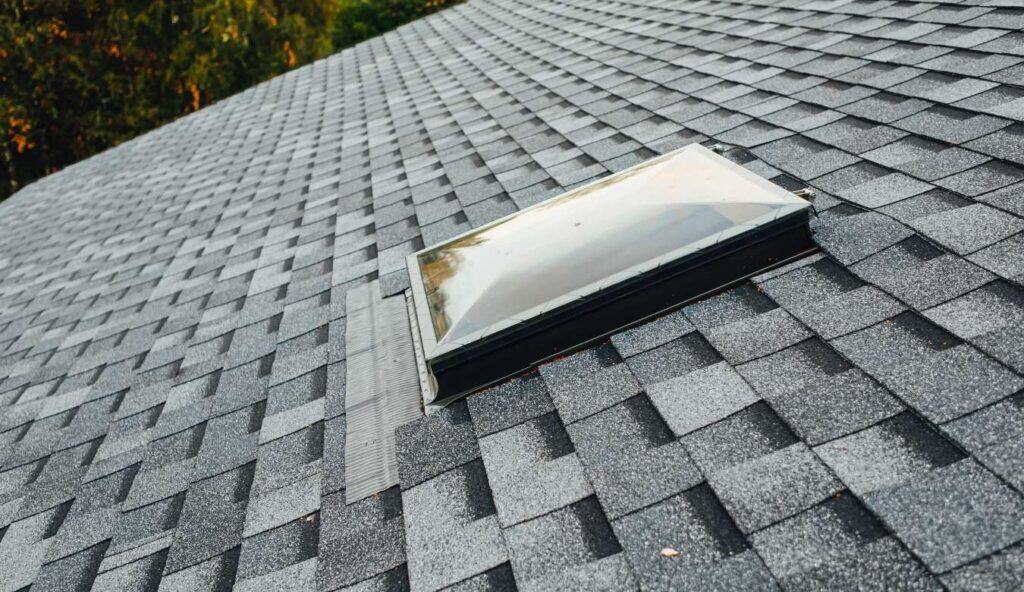
        Flashing isn’t glamorous, but it’s one of the most essential parts of your roof. The metal (or rubber) seals joints and edges—think chimneys, skylights, valleys, vents. When it’s damaged or poorly installed, water gets in. And once water’s in, it’s party time for mold and rot.

        Colorado flashing fail alert: After a hailstorm, many homeowners look at shingles but forget to check flashing. It’s like brushing your teeth but skipping floss—a bad idea long-term.

        The Fix: After every major weather event, get a free roof inspection from your trusted Colorado roofer (hi, that’s us—Your Friendly Neighborhood Roofing Pro). We’ll check your flashing and make sure your roof is watertight, windtight, and wildlife-tight.

        3. Ventilation? What’s That?

        Roof ventilation sounds boring, too.

        But poor airflow in your attic can mean:

        • Trapped heat and moisture
        • Condensation
        • Mold growth
        • Ice dams in winter
        • Roof rot (yes, it’s a thing) often results from clogged gutters. It’s like trying to run a marathon in a snowsuit, especially with damaged shingles. Your roof needs to breathe.

        The Fix: Modern roof ventilation systems can extend your roof’s life and lower energy bills. We’ll assess your current setup and recommend upgrades, especially important for older homes or homes that have been “patched” instead of properly reroofed.

        4. Going With the Cheapest Roofer (You Get What You Pay For)

        We know everyone’s trying to save money, but hiring the cheapest roofer on Craigslist is like going to a gas station sushi bar and expecting it to end well.

        Common signs of cut-rate roofing jobs:

        • Uneven shingle lines
        • No permits or warranties can lead to improper installation of your new roof.
        • Cheap underlayment that deteriorates quickly or worse. None.
        • “Storm chasers” that disappear after the 1st Check clears – Ouch, that’s the cost of a new roof deck!
        • Bad installs

        The Fix: Hire a roofing contractor to address roof problems effectively. Local. Hire licensed. Hire reliable. Hire a 5-star. At Denny’s Roofing, we’re proud to be a Colorado-based company here before, during, and after the storm. We do the job right and stand by our work with solid warranties.

        5. Not Getting a Roof Inspection After a Storm

        Ah, Colorado. One minute it’s sunny, the next, it’s hailing golf balls, which can damage your asphalt shingle roof. Even if your roof looks deceiving, always inspect for hidden damage. After a storm, hail and wind can cause hidden damage that is often traced back to poor gutter maintenance, such as shingle cracks, bruised underlayment, and loosened flashing. Most of the time, you can’t see it from the ground. You need a trained eye.

        If you wait until the leak shows up, it’s often too late.

        The Fix: Call us for a free storm damage inspection. We know what to look for, how to work with insurance companies, and we’ll give you honest feedback (no “sell-you-a-roof-you-don’t-need” nonsense).

        6. Delaying Roof Replacement When It’s Time

        If your roof is older than the first Fast and the Furious and in disrepair, it might be time to say goodbye to your old roofing material.

        Old roofs:

        • Are less energy-efficient
        • Look bad (hello, curb appeal)
        • Won’t hold up to Colorado’s wild weather
        • It can kill your resale value and lead to leaks.
        • Leak: a common problem that can lead to significant damage.

        The Fix: We’ll help you decide whether you need a complete replacement or just some smart repairs to buy you more time, especially if there are signs of roof leaks. Either way, we’ll work within your budget and give you transparent, pressure-free guidance.

        Let’s Turn Roofing Regrets into Roofing Results

        Whether you’re dealing with a DIY mishap, storm damage, or just a roof living in the past, Denny’s Roofing is here to help. We’re not just local roofers—educators, neighbors, and roofing nerds who love our work.

        Our promise to you:

        ✅ Honest inspections
        ✅ Affordable, high-quality repairs and replacements
        ✅ Help with insurance claims
        ✅ Friendly service from Coloradans who understand the weather and the importance of a reliable roof system.
        ✅ No B.S.

        Other Related Questions We Received Related to Quality Roofing

        Q: What common roofing mistakes do homeowners make with asphalt shingle roofs?

        A: Common roofing mistakes with asphalt shingle roofs include improper installation, inadequate roof underlayment, incorrect shingle overhang, and failing to install a drip edge. These errors can lead to leaks, water damage, and premature roof failure.

        Q: How can improper shingle overhang cause roof problems?

        A: Improper shingle overhang can cause roof problems by allowing water to seep under the shingles, leading to leaks and water damage. It can also expose your roof to high winds, which may lift the shingles and cause roof failure.

        Q: Why is roof underlayment necessary in shingle roofing?

        A: Roof underlayment is crucial in shingle roofing, providing additional protection against water infiltration. It helps prevent leaks and protects your home from water damage, especially during heavy rain or when shingles are damaged.

        Q: What are the consequences of poor ventilation in the attic?

        A: Poor ventilation in the attic can lead to moisture buildup, which may cause mold growth, damage roof shingles, and reduce the effectiveness of insulation. It can also increase the risk of costly repairs and shorten the lifespan of your roof.

        Q: How can clogged gutters lead to roof issues?

        A: Clogged gutters can cause water to back up and overflow, damaging the roof and fascia. This can result in leaks and damage to the roofing material, making the roof vulnerable to further issues.

        Q: What signs indicate it’s time to replace shingles on your roof?

        A: Signs that it’s time to replace shingles include curled, cracked, or missing shingles, granule loss, water stains on ceilings, and frequent leaks. If you notice these signs, consider a complete roof replacement or consult a professional roofing contractor.

        Q: How does installing a drip edge help protect your roof?

        A: Installing a drip edge helps protect your roof by directing water away from the edge and into the gutters. This prevents water from seeping under the shingles and causing damage to the roof and fascia.

        Q: What are the risks of roofing over existing shingles?

        A: Roofing over existing shingles can lead to several problems, including added weight that may stress the roof structure, difficulty in identifying underlying issues, and reduced lifespan of the new shingles. It is often better to remove old shingles before installing new ones.

        Q: Why is it essential to inspect your roof regularly?

        A: Regular roof inspections help identify potential issues early, such as damaged shingles, leaks, or poor ventilation. Addressing these problems promptly can prevent costly repairs and extend the lifespan of your roof.

        Q: When should a homeowner consult a professional roofing contractor?

        A: Homeowners should consult a professional roofing contractor when facing complex roof issues, such as extensive damage, frequent leaks, or planning a complete replacement. Experienced roofing contractors have the expertise to ensure proper roof installation and maintenance.

        Final Thoughts (A.K.A. The “Don’t Let This Be You” Section)

        Don’t wait for water to start dripping on your Xbox before you take action. Whether prepping for resale, recovering from a storm, or fixing past roofing mistakes, your roof deserves some love and new shingles.
        Denny’s Roofing is here for all your Colorado roofing needs.

        Need a free inspection for your asphalt shingle roof? We’ve got you.

        Are you unsure if you need repairs or replacement? We’ll help you decide whether you need new shingles or smart maintenance.

        Want to work with someone local who shows up on time? We are here to inspect and repair your roof.

        Contact Denny’s Roofing today for your free roof inspection and let’s get your home back in top shape—before the next Colorado storm rolls through like it’s auditioning for a disaster movie. Because mistakes happen, but your roof shouldn’t be one of them.

          What to Do With Your Storm-Battered, Seen-Better-Days Roof. When is it Time to Sell Your House?

          From Roof Woes to “Whoa, Nice Roof!” – Let’s Boost That Resale Value

          Let’s paint a picture. You’re sipping your morning coffee and looking at the beautiful Colorado Front Range. Life is good—until you spot something shiny in the yard. No, it’s not a nugget of gold or a UFO, but it could prevent water damage. It’s a piece of your roof’s flashing, and it’s not supposed to be chilling next to your lawn flamingo.

          Oops.

          Whether you’ve just been through a storm (classic Colorado spring hail, anyone?) or you’re planning to sell your home and wondering if your 15-year-old roof still has any swagger left, you’re in the right place for a complete roofing system overhaul.

          At Denny’s Roofing, we’re roof therapists, not just roofers. We help you effectively deal with hail and storm damage, plan for the future, and increase your home’s value without losing your mind (or money).

          Let’s break it down.

          🏡 Now Let’s Talk About the Glow-Up: How to Boost Your Roof’s Resale Value

          So maybe you’ve weathered a few storms, but if you have roof damage, consider a roof replacement before selling your home. You’re thinking, “My roof isn’t terrible, but it’s not exactly winning any beauty contests.” We hear you; a new tile roof could change that.

          Good news: You can file an insurance claim for storm damage. You don’t always need a brand-new roof to boost resale value. Sometimes, a little strategic TLC can go a long way. Here’s how:

          1. Get a Pre-Sale Roof Inspection

          Before listing your home, schedule a roof inspection (yes, we do them). Buyers love transparency, and having a clean report or minor fixes already done gives them one less reason to haggle on price.

          FYI: “Roof inspection Colorado” gets tons of search traffic—make sure you’re showing up with local pros like Denny’s Roofing.

          2. Replace Flashing, Fix Leaks, and Seal the Edges

          Even if your shingles are in okay shape, they may not withstand strong winds. Bad flashing, cracked caulk, or lifted edges scream neglect. Buyers (and, more importantly, home inspectors) notice these details.

          Think of it like cleaning or painting your baseboards before a showing. It’s a minor, cheap fix with a significant visual and emotional impact.

          3. Clean Your Roof (Seriously)

          We’re not saying you need to take a pressure washer to your shingles (please don’t), but removing moss, algae, and debris from your roof can prevent water damage. It also makes an older roof look younger and better maintained. You are trying to impress the Home Inspector with a reliable roofing system!

          Bonus: A clean roof reflects light better and can help with energy efficiency, especially with new roofing material. 🌞

          4. Consider a “Roof Tune-Up”

          Not quite a replacement, but more than a patch job, a tune-up includes:

          • Sealing exposed nails can prevent further roof damage.
          • Replacing worn-out vent boots
          • Tightening or re-nailing loose shingles can help maintain your roofing system.
          • Re-caulking and re-flashing areas that need it
          • Gutter cleaning and adjustment

          It’s like a facial and oil change for your house. And trust us—buyers love hearing that the roof just got a complete check-up.

          5. If It’s Time—Replace the Roof Strategically

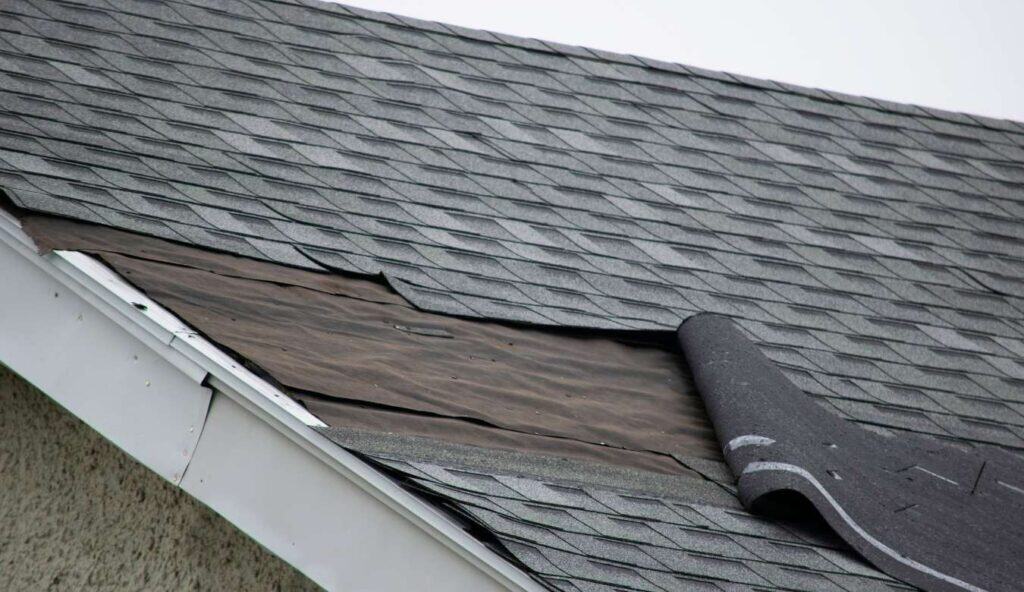
          If your roof is missing shingles, checking for hail damage after a storm is essential. Showing its age (we’re talking curling shingles, lots of granule loss, or patchwork repairs from 1998), a roof replacement might be necessary. Complete replacement might be your best investment.

          Here’s why it can pay off:

          • Most buyers want a “move-in-ready” house.
          • A new roof adds significant value, especially if you replace it before selling.
          • It also increases curb appeal and trust.

          We will give you a FREE Class 4 Upgrade to your shingles, which can help with your insurance claim. A strong roofing system can achieve BIG discounts on home insurance for your buyers, which is a significant selling point.

          You can list it with a roofer to assess any roof damage. A significant upgrade to your property can be a new roofing material, like tile, that withstands severe weather. In your selling materials
          It can increase your home’s resale value by $10,000–$20,000 or more, depending on your market and the condition of the roofing material.

          And with Denny’s Roofing, we’ll help you choose the right materials, colors, and warranties to attract buyers and protect your investment.

          Other Related Questions We Received Related to Damaged Roof, Leaky Roof, and Wind Damage

          Q: How do I know if my roof has storm damage?

          A: After a storm, inspect your roof for signs such as missing shingles, dents from hail damage, or water spots on your ceiling. If you suspect damage, don’t hesitate to contact a roofing contractor for a thorough damage assessment to protect your home.

          Q: What should I do if a storm has battered my roof?

          A: Call your insurance company to report the damage to your home. Then, contact a reputable roofing company to assess the extent of the damage and discuss whether you need a roof repair or replacement.

          Q: When is it necessary to replace your roof after storm damage?

          A: If the damage is extensive or your roof is old and has been repaired multiple times, it might be time to replace it. A roofing contractor can help you determine if a roof replacement is necessary.

          Q: How can I protect my home from future storm damage?

          A: Consider installing impact-resistant shingles or metal roofing to withstand hailstorms and heavy rain. Regular maintenance and inspections can also help identify potential roof issues before they damage your property.

          Q: Can storm damage services help with emergency repairs?

          A: Yes, storm damage services often provide emergency repair options to quickly address immediate threats to your home, such as leaks or structural damage, to minimize interior damage.

          Q: What signs might indicate that your roof needs to be replaced?

          A: Signs that your roof might need replacing include persistent leaks, widespread shingle damage, and significant ice damage. If your roof hasn’t been replaced in over 20 years, it may be time for a new one.

          Q: How does hail damage affect my roof?

          A: Hail damage can cause dents, cracks, and granule loss in shingles, leading to leaks and water damage. It’s essential to have a roof for an inspection after a hailstorm to assess any damage caused.

          Q: What role do insurance companies play after storm damage?

          A: If a covered peril damages your roof, insurance companies can help cover the cost of repairs or replacement. Documenting the damage and working with your insurer to make a claim is essential.

          Q: Should I repair the roof or get a new roof before selling my house?

          A: If the roof damage is minor, repair services may suffice. However, if the roof needs replacement, getting a new roof can increase your home’s value and appeal to potential buyers.

          Q: How does roof damage impact the resale value of my home?

          A: Roof issues can significantly decrease your home’s resale value. An old or damaged roof might deter buyers, while a newly replaced roof can enhance curb appeal and provide peace of mind to prospective buyers.

          💬 Final Thoughts: Roofs Sell Homes, Too

          Whether you’ve just survived a Colorado hailstorm and your flashing’s doing the Macarena, or you’re prepping your house to hit Zillow with its best face forward, one thing’s sure: the entire roof needs to shine.

          A strong, beautiful roof gives buyers peace of mind—and makes your home stand out in the market, especially after a hailstorm.

          Let Denny’s Roofing be your local partner in roof repair, inspection, and replacement. We’re proud to serve homeowners across the Colorado Front Range—from Boulder to Denver, Fort Collins to Colorado Springs—with honesty, humor, and great hair (okay, that part’s optional).

          📞 Call us to discuss your roof replacement options.
          📍 Serving the Colorado Front Range

          Don’t hesitate to contact us with any questions about storm damage. info@dennysroofing.com
          Because a little roofing maintenance fix today could mean a lot of resale cash tomorrow.

            What’s Going On Up There? Our Roof Inspection Process (And Why Your Shingles Are Begging for Attention)

            Let’s be honest: most of us give our roofs about as much attention as the intro to a YouTube ad—we skip right over it and hope for the best. That is, until something drips on our forehead indoors that shouldn’t leak. Have you ever found yourself panic Googling:

            “Roof repair Colorado Front Range,” “Best roofing company near me,” “5-Star Roofing Company,” specializing in roof replacement and thorough roof inspections. “HELP, my ceiling is crying.”

            Take a deep breath. We’ve got you.

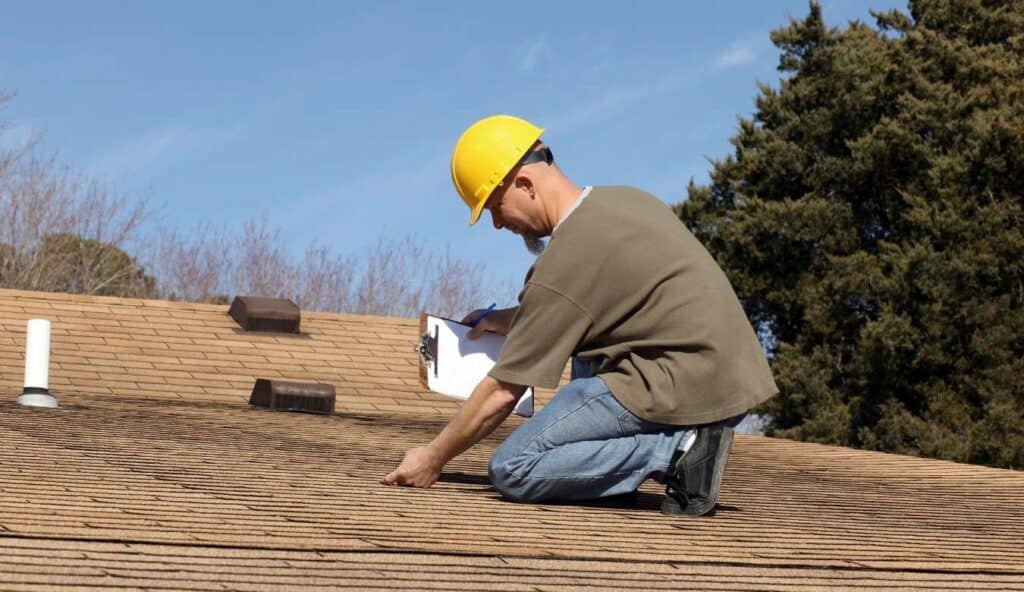
            At Denny’s Roofing, a professional roof inspection is the first step to protecting your home, family, and sanity. Whether you live in Fort Collins, Greeley, Loveland, Longmont, Thornton, Broomfield, Westminster, Golden, Aurora, Lakewood, Denver, Boulder, Parker, Castle Rock, or anywhere along the Colorado Front Range, we’re here to walk you through the process.

            And no, it’s not as scary or mysterious as it sounds. This isn’t CSI: Roofing Edition. But it is your roof’s yearly wellness checkup, and we’re the friendly, no-nonsense experts with the ladder, the know-how, and the killer tool belts.

            Why Roof Inspections Matter (Yes, Even If Everything “Looks Fine”)

            Here’s the truth bomb: most roof issues start long before you see visible damage.

            Leaks, rot, hail, bruises, cracked flashing—it’s like a harmful rom-com. The signs were there all along; you didn’t notice until the big, dramatic reveal.

            In Colorado, your roof puts in overtime thanks to:

            • Hailstorms that could rival a Game of Thrones battle scene
            • Heavy snow loads and freeze-thaw cycles that cause cracking
            • Sun exposure that ages shingles faster than a Hollywood celebrity without SPF
            • High winds that tug at your roof like your toddler tugging your sleeve when you’re on the phone

            Bottom line: your roof’s been through a lot, and it may be time for a new roof. It deserves a little TLC. And you deserve peace of mind.

            What Makes Denny’s Roof Inspections Different?

            Not to brag (okay, we’re bragging a little), but we’re not your average “knock-on-your-door-after-a-storm” roofing contractor who only offers basic services. We’re local, we’re licensed, and we’re obsessed with doing the job right.

            Our roof inspection process is thorough, transparent, and designed with you in mind. There are no pushy sales tactics, jargon, or shady “you’ve got storm damage” guesswork. There are just facts, photos, and a clear plan of action if repairs are needed, including advice on roofing materials.

            Step-By-Step: The Denny’s Roofing Inspection Experience

            Here’s what to expect when you schedule a roof inspection with Denny’s Roofing—and why your future self will thank you.

            1. The Initial Chat: Let’s Talk Roofs (and a Little About the Weather)

            We kick things off with a quick conversation. We’ll ask questions like:

            • How old is your roof?
            • Have you noticed any leaks, drafts, or mysterious stains on your ceiling?
            • Was there a recent storm, wind event, or hail party courtesy of Mother Nature?

            We want to understand what’s going on from your point of view—before we even step foot on a ladder. That way, we can tailor our inspection to your concerns and your roof’s unique history.

            Bonus points if you offer us coffee. Just saying. We probably won’t say yes… but it’s a nice gesture. 😉

            2. Exterior Roof Inspection: The High-Stakes Climb (No Capes Required)

            This is where we suit up and head up.

            On your roof, we look for:

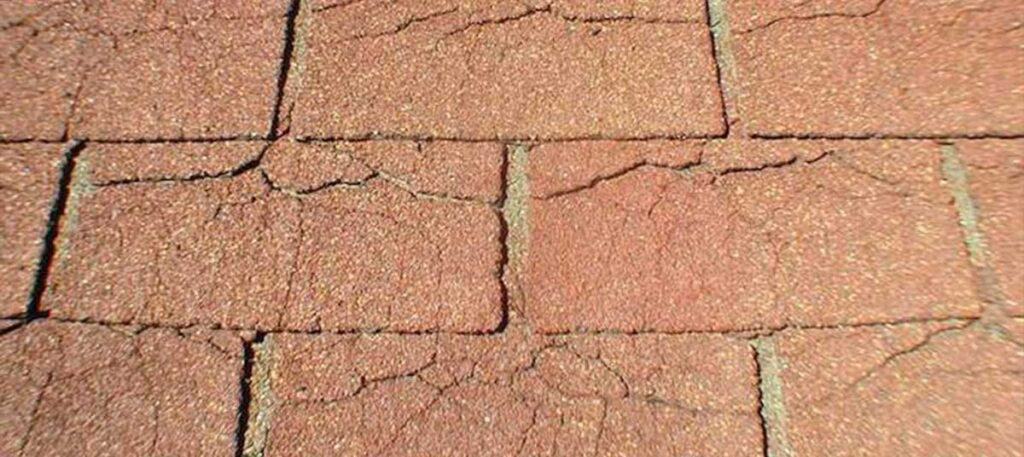
            • Missing, cracked, or curling shingles are all signs of damage that should be addressed promptly.
            • Hail damage (yes, even the tiny dings count)
            • Granule loss (shingles shedding like a golden retriever in July)
            • Damaged flashing or vents
            • Exposed nail heads or signs of poor past repairs
            • Sagging areas or soft spots that indicate potential rot or structural concerns

            We take detailed notes and high-resolution photos of everything. We’re not just inspecting your roof—we’re documenting its health, like a proud parent at a kindergarten graduation.

            3. Attic Inspection (Because What’s Under the Hood Matters, Too)

            What happens in your attic doesn’t stay in your attic.

            We’ll head inside and inspect for:

            • Water stains, leaks, or moisture on the decking or insulation
            • Mold or mildew (which means there’s likely a hidden leak or inadequate ventilation)
            • Proper ventilation (because an attic that can’t breathe will slowly self-destruct)

            Pro tip: Many roofing issues start from poor attic airflow, especially in Colorado, where temperatures swing harder than a plot twist on Stranger Things.

            4. Gutter and Drainage Check (The Unsung Heroes of Roof Protection)

            Your gutters don’t get enough credit. They’re like the sidekick in every superhero movie—quiet, loyal, but critical to saving the day.

            We check:

            • Gutter alignment (no droopiness allowed)
            • Blockages or debris buildup
            • Downspout placement—is water flowing away from your foundation or pooling like a toddler’s splash pad?

            Why this matters: poor drainage can lead to roof leaks, foundation issues, AND mold. Gutters are part of your roofing system; we treat them like VIPs.

            5. The Full Report: Pictures, Plain English, and a Plan

            After we’ve gathered our evidence (photos, notes, possible Netflix recommendations), we’ll sit down with you—on-site or digitally—and walk you through:

            • What we found
            • What’s in great shape
            • What needs attention now vs. later
            • Repair or replacement recommendations (if needed)
            • Free estimate if repairs are required
            • Our professional opinion on roof life expectancy

            We keep it real. No pressure. No scare tactics. Just competent advice and solid solutions.

            6. If Needed: We Help With Insurance, Too

            If your roof DOES HAVE storm damage and qualifies for insurance coverage, as your trusted roofing contractor, we’re here to guide you through the process. Every step of the way!

            Working with insurance companies is like speaking fluent red tape. Luckily, we do. We’ll provide the documentation, meet with the adjuster, and advocate on your behalf. Why? Because we care. And because we’ve seen too many homeowners left out in the cold, literally, due to neglecting their roofing material.

            So… How Often Should You Get a Roof Inspection?

            Great question about the importance of a thorough roof inspection! (You’re full of them, aren’t you?)

            Here’s our Colorado-friendly advice:

            • Once a year should work: Once in spring is usually enough
            • After major weather events: hail, windstorms, or heavy snow
            • Before buying or selling a home
            • If your roof is over 15 years old, once in spring, once in fall, if the weather has been rough
            • If your neighbor just had storm damage (because what hits them probably hit you too)

            Why Homeowners Across Colorado Trust Denny’s Roofing

            We’re proud to serve communities across the Colorado Front Range, from Fort Collins to Colorado Springs and everywhere, including signs of damage that may require a roof replacement.

            ✅ Locally owned and operated
            ✅ Fully licensed and insured
            ✅ Storm damage experts
            ✅ Free inspections and estimates
            ✅ Friendly, knowledgeable roofers who call you back

            We’re just charming people who care about your chimney and roof integrity—no ego, no drama—just top-quality roofing services done right the first time. Every time we conduct a thorough roof inspection, we find something new!

            Other Related Questions We Received Related to Roof Structure, Roof Maintenance, and Lifespan

            Q: Why is a roof inspection necessary?

            A: A roof inspection is crucial for identifying potential problems, such as water damage, missing shingles, or issues with the roof’s structural integrity. Regular inspections help maintain the roof’s condition and extend its lifespan.

            Q: What does a professional roof inspection entail?

            A: A professional roof inspection involves a thorough examination of the roof covering, flashings, roof penetrations, and the overall structural integrity. The inspector will look for signs of wear and tear, water intrusion, and other issues requiring roof repair or replacement.

            Q: How often should I have my roof inspected?

            A: It is recommended that your roof be inspected at least once a year, especially after severe weather conditions. Regular inspections help detect problems early, ensuring the roof’s condition is maintained.

            Q: What are some questions to ask a roof inspector?

            A: You should ask about the condition of your roof, any visible signs of damage, potential areas of concern, and whether you need a new roof or repairs. Also, inquire about the cost of the roof inspection and any regular maintenance recommendations.

            Q: What should I do if the inspector finds damaged shingles?

            A: If the inspector finds damaged or missing shingles, it’s essential to address them promptly to prevent further roof problems. Depending on the extent of the damage, you may need to repair or replace the roof.

            Q: How can I tell if I need a roof replacement?

            A: Signs you may need a roof replacement include frequent leaks, extensive water damage, old roof age, and significant wear and tear. A professional roof inspection can help determine if a roof replacement is necessary.

            Q: What is the roof inspection cost?

            A: The cost of a roof inspection can vary depending on the size and type of roof. Some companies offer free inspections, while others may charge a fee. It’s best to get a quote from a professional roof inspector.

            Q: What should I expect after the inspection?

            A: After the inspection, the roof inspector will provide a detailed report on the condition of your roof, including any issues found and recommendations for repairs or replacement. After the inspection, you should ask about any concerns and the next steps.

            Q: How does ventilation affect the life of your roof?

            A: Proper ventilation is essential for maintaining the roof’s condition. It helps regulate temperature and moisture levels, preventing water damage and extending the life of your roof. A thorough roof inspection will assess the ventilation system.

            Q: Can regular maintenance prevent roof problems?

            A: Regular maintenance and inspections can prevent roof problems by identifying and addressing issues early. This proactive approach can help avoid costly repairs and extend the lifespan of your roof.

            Final Thoughts: Love Your Roof, and It’ll Love You Back

            Your roof does a lot for you—it protects you from hail, heat, wind, cold, and nosy squirrels. A professional inspection isn’t just maintenance—it’s a thorough roof inspection to identify potential issues—preventative care, like an oil change or flossing (but with fewer awkward dentist lectures).

            Let Denny’s Roofing be your go-to partner for keeping your roof strong, your attic dry, and your stress level low.

            Ready to Schedule a Roof Inspection?

            📞 Call Denny’s Roofing today for a FREE roof inspection to assess your roofing material and identify any necessary repairs.

            📍 Serving the Colorado Front Range & surrounding areas

            Hail, wind, snow? We’ve got you covered with everything from roof replacement to chimney inspections. Because when it comes to your roof, ignorance isn’t bliss—it’s just expensive.

            Storms, Flashing, and Roof Drama: What Happens When Your Roof Flashing Takes a Hit

            It’s not just metal. It’s the equivalent of a superhero’s cape on your roof.

            Ah, Colorado. The land of sunshine, snowstorms, sideways hail, and the kind of winds that could steal your trash can and launch it into Kansas. It’s part of the charm.

            But here’s the un-fun part of living along the beautiful but unpredictable Colorado Front Range: storm damage to your home is a rite of passage. And one of the most sneaky yet serious problems that can arise after a storm is something most homeowners hardly think about…

            Damaged roof flashing.

            Before your eyes glaze over and you look for that article on the top 10 Yellowstone theories (we get it), stick with us—because this little strip of metal is doing much more work than it gets credit for. And if it’s damaged, your whole roof could be in trouble, leading to costly replacement.

            Let’s break it down.

            🚨 First Off: What Is Roof Flashing, Anyway?

            Roof flashing is like the unsung hero of your roof. It’s the thin metal (usually aluminum, galvanized steel, or copper) installed around:

            • Chimneys
            • Skylights
            • Swamp Coolers
            • Headwalls
            • Slope Changes
            • Vents
            • Roof valleys
            • Edges and junctions—anywhere two surfaces meet—are critical for roof leaks, so check them carefully.
            • Eaves and Rakes

            Think of it like the weatherproof duct tape on your roof—but more sophisticated and waterproof. It directs water away from seams, edges, and vulnerable areas and into your gutters, where it belongs.
            If shingles are your roof’s armor, flashing is the shield that protects the gaps.

            💥 So… What Happens to Flashing During a Storm?

            Let’s say a big Colorado storm rolls through—classic mix of wind, rain, hail, snow (because why not all four?). Your flashing, usually tucked neatly under shingles or siding, can suffer all sorts of storm-related abuse:

            • Lifted or bent flashing from high winds
            • Cracked sealant due to hail impact or debris
            • Rust or corrosion can lead to significant issues with your roofing system, from trapped water
            • Dislodged pieces—blown off the roof like Dorothy in a tornado

            And once flashing is compromised? It’s game over, water damage edition.

            🏚️ What Happens If Damaged Flashing Goes Ignored?

            Ignoring damaged roof flashing is like ignoring the check engine light on your car: it may seem fine now… until it leads to roof leaks.

            Here’s what you might be facing if damaged flashing isn’t addressed quickly:

            1. Water Leaks Inside Your Home

            Even a tiny breach in flashing can let water in, leading to significant roof leaks. At first, these are not dramatic puddles—they are more like slow, sneaky moisture that seeps into your attic, walls, and ceilings. Dribbling over time can create a big mess.

            Before you know it, you’re spotting mystery stains on your ceiling or even sniffing around for that “uh-oh, is that mold?” smell.

            2. Mold & Mildew Growth

            Moisture is mold’s BFF. Once it starts growing, you’re not just talking about roof repairs anymore—you’re talking remediation, health risks, and possibly a house that smells like your high school gym locker room.

            Consider consulting a roofer for a comprehensive inspection.

            3. Rotting Wood and Structural Damage

            That drip-drip-drip you don’t see? It’s quietly soaking into your decking, rafters, and support beams. Give it time, and your attic could go from sturdy to spongy.

            4. Pest Invasions

            Tiny gaps left by lifted flashing are welcome mats for insects and critters. Everyone loves a warm, damp entry point for squirrels, bats, and wasps. Don’t be the Airbnb for the animal kingdom; ensure your roof is secure from potential roof leaks. Dealing with that is a whole other blog post.

            🛠️ How Denny’s Roofing Handles Damaged Flashing (Like Total Pros)

            If your roof’s flashing got roughed up in a recent storm, here’s what to do for proper installation.

            Step 1: Don’t Climb Up There.

            Seriously. We love a DIY spirit, but flashing repair requires professional eyes, ladders, and knowledge of what’s going on under the shingles. Plus, it’s steep; the cost of a new roof can be pretty high, slippery, and dangerous. We like you upright.

            Step 2: Call Denny’s Roofing for a Free Inspection

            We’ll assess the damage, take detailed photos, and give you a full rundown of what’s damaged, what needs fixing, and what’s still going strong.

            Step 3: We Repair or Replace the Flashing

            We’ll use top-quality materials and install properly sealed and weatherproof flashing so your roof won’t blink when the next storm hits.

            Bonus: We Handle Insurance Claims

            If the damage is storm-related and above the threshold of your deductible, we can help document it and work with your insurance company if necessary. We speak fluent claims, so you don’t have to.

            Everybody needs a good advocate when dealing with their Insurance Company.

            🧠 How to Tell If Your Flashing Might Be Damaged (Without Getting on the Roof)

            Here are some warning signs that something’s not quite right up there:

            • Visible water stains on ceilings or walls after a storm
            • Dripping in the attic or musty smells
            • Shingles around chimneys or vents look out of place.
            • Pieces of metal in your yard or gutters could indicate roofing materials that need attention. (aka: “Where did this weird shiny thing come from?”)

            If you see any of these, don’t wait. Damage only gets worse (and more expensive), especially if it leads to a need for roof replacement.

            📍 Why Colorado Homeowners Trust Denny’s Roofing

            We’re not storm-chasers. We’re your local roofing team with roots along the Colorado Front Range. From Fort Collins to Colorado Springs, we know the weather, the architecture, and the common roofing issues better than your aunt knows the latest neighborhood gossip.

            Here’s what makes us different:

            ✅ Free roof inspections after storms
            ✅ Fast, honest flashing repairs
            ✅ Licensed, insured, and locally loved
            ✅ We return your calls (no, really)
            ✅ No pressure, no gimmicks—just solid roofing

            Other Related Questions We Received Related to Leaky Roof and Hail Damage

            Q: How does severe weather impact roof flashing and increase the risk of roof leaks?

            A: Severe weather, such as tornadoes and strong winds, can cause significant damage to roof flashing. This damage increases the risk of roof leaks by allowing water to penetrate the barrier that protects your home. Regular inspections and maintenance can minimize this risk.

            Q: Can tree damage from a storm lead to roof leaks?

            A: Yes, tree damage, such as branches or an entire tree falling on your roof, can compromise the integrity of your roofing materials. If not promptly addressed, this can result in roof leaks. Regular trimming of nearby trees can help minimize this risk.

            Q: What role does flashing play in protecting your home during a tornado or hurricane?

            A: Flashing is a crucial barrier that helps protect your home by sealing joints and preventing water from seeping into areas where different roofing materials meet. During a tornado or hurricane, quality roofing with properly installed flashing is essential to keep your home safe.

            Q: How can clogged gutters contribute to roof leaks during severe weather?

            A: Clogged gutters can cause water to back up and overflow onto the roof, leading to potential leaks, especially during severe weather. Regular maintenance and cleaning of gutters are vital to ensure they effectively channel water away from your home.

            Q: What should I do if my roof flashing is damaged during a storm?

            A: If your roof flashing is damaged, immediately contact a professional roofing company. They can assess the damage and perform necessary repairs to prevent further property damage and protect your home.

            Q: Are there specific roofing materials that are more durable against wind damage?

            A: Yes, certain roofing materials, such as asphalt shingles and tile, are designed to withstand wind damage better than others. Durable shingles can provide added protection during strong winds and severe weather events.

            Q: How does regular inspection help protect your home from roof leaks?

            A: Regular roofing system inspection helps identify potential issues, such as damaged flashing or shingles, before they lead to roof leaks. Early detection and repair can help minimize the risk of extensive property damage.

            Q: What is the importance of having a quality roofing crew during repairs?

            A: A quality roofing crew ensures that repairs are done correctly and efficiently, using high-quality materials and techniques. This addresses current issues and strengthens your roof against future severe weather events.

            Q: How can I prepare my roof for atmospheric events like lightning and thunder?

            A: To prepare your roof for atmospheric events, ensure that your roofing materials are in good condition and that all flashing is securely in place. Installing a lightning rod can also help protect your home from lightning strikes.

            Q: What steps can be taken to protect homes and businesses from roof damage during severe weather?

            A: To protect homes and businesses, ensure regular roof maintenance, inspect and repair any damage promptly, and use durable materials designed to withstand severe weather. Trimming nearby trees and ensuring unclogged gutters can also help minimize potential damage.

            TL;DR – Damaged Flashing Is a Big Deal. But You Don’t Have to Handle It Alone.

            If your roof flashing was damaged during a Colorado storm, don’t wait until your living room becomes a wading pool due to roof leaks.

            Call Denny’s Roofing for a free, honest inspection of your roofing system. We’ll catch the problem early, fix it fast, and ensure your roof stays weather-tight and worry-free.

            📞 Schedule Your Free Roof Inspection Today

            📍 All Along the Northern Front Range: Castle Rock, Ft. Collins, Denver, Golden, Aurora, Boulder, Louisville, Longmont, Loveland, Greeley, and beyond. Don’t see your city? We most likely service it for roof replacement. Call us to see.

            📞 970-275-4012

            Because ignoring damaged flashing is like texting your ex—nothing good ever comes from it.

              Attic Inspections 101: Because Water Leaks Are Like Unwanted Houseguests

              How to Spot Trouble Before It Soaks Your Sanity – From Your Friendly Colorado Roofing Experts at Denny’s Roofing

              Let’s Get Real: When Was the Last Time You Visited Your Attic?

              Suppose you’re like most homeowners along the Colorado Front Range. In that case, your attic is like that weird 3rd Cousin at Thanksgiving dinner — technically family, but mostly forgotten until something smells funny or they start making strange noises.

              But here’s the thing: Your attic isn’t just a place to store broken Christmas lights, high school yearbooks, and that exercise bike you swore you’d use. It’s a front-line battlefield in the war against water damage, and inspecting it regularly might save you thousands of dollars, a few gray hairs, and your precious Saturday afternoons.

              So, grab a flashlight, take a deep breath (and maybe some allergy meds), and dive into the wonderful world of attic inspections for water leaks—roofing edition.

              Why You Should Care About Attic Leaks (Even If You’ve Got a Killer Playlist for Avoiding Responsibilities)

              Here’s the cold, wet truth: water is sneaky. It doesn’t need a big hole in your roof to ruin your day. A tiny crack in a shingle, a loose flashing, or even a clogged gutter can let in just enough moisture to create a whole mess of problems upstairs—and you may not see it until it drips into your ceiling.

              That’s why regular attic inspections are necessary, especially here in Colorado, where one day it’s sunny and 75°, and the next you’re scraping snow off your grill cover. Our wild weather swings, hailstorms, snow loads, and fierce winds can quietly wreak havoc on your roof, and your attic is where the evidence likes to hide.

              First Things First: Safety Isn’t Optional

              Before you go full Indiana Jones with your flashlight and sense of adventure, safety first:

              • Wear sturdy shoes (no flip-flops or socks, please—this isn’t a yoga class) to help keep your footing secure while checking for entry points.
              • Use a quality flashlight or headlamp (bonus points if you feel like a miner on a mission) to inspect roof materials for any signs of pest infestation.
              • Mind your step, especially if you suspect a raccoon might have made a nest in your attic. Walk only on joists or secure boards, or you may introduce yourself to the ceiling below. Awkward.
              • Watch for nails sticking through the low roof deck that can stick or scrape from above. Because tetanus shots are not the adventure we’re after today.

              What to Look for in Your Attic: Leak Edition 🔍

              Here’s your step-by-step, leak-detecting treasure map:

              1. Water stains can indicate a problem with your roof materials or potential leaks that need immediate attention.

              Look for discoloration on wood or insulation. Dark spots, rings, or streaks are red flags. And if something looks like it recently auditioned for a role in The Last of Us, it reminds us that a neglected roof can lead to an infestation of pests and other serious problems. You have a BIG problem if you don’t address these entry points and maintain your roof.

              2. Mold or Mildew

              If your attic smells like a high school gym locker, it probably has mold. Mold loves moisture, and moisture means leaks, which can attract pests and lead to further damage if not addressed quickly.

              3. Wet Insulation

              Touch the insulation carefully (with gloves). If it feels damp or squishy—Houston, we leak.

              4. Daylight Shining Through

              If you can see rays of sunlight peeking in where they shouldn’t be, you’ve found a gap in your roofing that could serve as an entry point for raccoons. It’s romantic in movies, but not so much when it means water is free to come and go. Look around at the pipes sticking up through the roof. NOTE: If correctly installed, you will see light from your “soffits” on the roof’s eave. Meant to have airflow. Just NOT from above.

              5. Rusty Nails or Fasteners

              Nails that look like they’ve spent the winter crying? That’s condensation—moisture building up inside your attic. It’s not always a leak, but it’s a sign your ventilation (or roof) might need help.

              6. Drip Marks or Actual Dripping (Duh)

              This one’s obvious, but if you hear a drip or see a shiny trail, congratulations! You’ve caught the culprit red-handed. Time to call in the pros before things get worse.

              Bonus Round: Attic Leak Causes You Might Not Think About

              • Ice Dams: Colorado winters bring snow, which melts, causing ice dams. These dams block water from draining off your roof, forcing it under your shingles and straight into your attic, which is not cool.
              • Improper Roof Ventilation: If your attic feels more humid than a southern swamp, poor airflow could be causing condensation and moisture buildup.
              • Hail: Hail damage can create vulnerabilities in your roof, leading to moisture issues and possible mold growth. Our beloved Front Range gets a lot of moisture, which can lead to mold growth if roof maintenance is neglected. Pummeled by hailstorms, your roof may need immediate inspection for any signs of damage or potential entry points for pests.. Even small hail can crack shingles and start slow leaks that sneak into your attic over time.

              How Often Should You Check Your Attic?

              Ideally, twice a year—spring and fall—and after any significant storm. If a surprise summer hailstorm hits Fort Collins or a “snowpocalypse” rolls through Denver and the surrounding areas, it’s worth grabbing that flashlight again. Trust us; keeping your roof well-maintained is essential to prevent pest infestations.

              Found a Leak? Don’t Panic. Call Denny’s Roofing.

              We know what you’re thinking. “But I’m not a roofer!” That’s okay. You don’t need to be. Call in the pros at Denny’s Roofing if something seems off—or plain wrong. We’ve seen it all. From tiny pinhole leaks to full-blown attic swamp zones, we know how to spot, fix, and prevent roofing issues before they turn into five or six-figure nightmares.

              Our services include:

              ✅ Free roof inspections
              ✅ Leak detection and repair
              ✅ Hail and storm damage assessments
              ✅ Ventilation consulting
              ✅ Gutter inspections (because those play a big part, too)

              And because we’re local to the Colorado Front Range, we understand the crazy weather your roof is dealing with. From Ft. Collins to Castle Rock, we’re ready to roll.

              Don’t Be That Guy on the Local Facebook Group

              You know the homeowner frantically posting at 10 p.m.: “HELP! There’s water pouring into my bedroom, and I think it’s coming from the attic, possibly due to a gap that pests could exploit. Does anyone know a roofer?”

              Don’t be that guy. Be proactive. Be the hero your home deserves.

              TL;DR (Too Long, Didn’t Read):

              • Your attic is ground zero for early signs of roof leaks.
              • Check for stains, mold, damp insulation, and signs of daylight.
              • Inspect twice a year, plus after any major storms or hail events.
              • Call Denny’s Roofing, your friendly, local roofer serving the Colorado Front Range, if you find anything suspicious.

              Other Related Questions We Received Related to Proper Insulation and Professional Roof Replacement

              Q: Why is it essential for a homeowner to inspect their attic regularly?

              A: Regular attic inspections can help prevent water damage, roof damage, and pest infestations. Identifying issues early can effectively avoid costly repairs and protect your home.

              Q: How can I spot water leaks in my attic?

              A: Look for signs such as water stains, mold, or a musty smell in your attic space. Also, check for small gaps or cracks where water might enter your home, especially around roof vents and soffits.

              Q: What role does proper attic ventilation play in roof maintenance?

              A: Proper attic ventilation helps regulate temperature and moisture levels, reducing the risk of ice dams and roof damage. It also helps keep your roof in top condition and extends its lifespan.

              Q: How can I protect my home from pest infestations in the attic?

              A: To secure your roof and attic from pests, ensure no small gaps or openings. Consider installing pest control measures and regularly inspecting your roof and insulation to prevent pests from entering your home.

              Q: What should I do if I notice damage to my roof during an attic inspection?

              A: If you notice any damage to your roof, such as leaks or missing shingles, it’s crucial to hire a professional for a thorough roof inspection and to discuss repair or replacement options.

              Q: How do overhanging branches affect my roof and attic?

              A: Overhanging branches can damage your roof and create pathways for pests to enter your home. Trim them regularly to protect your roof and maintain proper attic ventilation.

              Q: Why should I consider hiring a professional for my roofing needs?

              A: Hiring a professional roof inspection service provides peace of mind. It ensures that your roof is thoroughly checked for potential issues and that any necessary repairs are done correctly, avoiding costly repairs in the future.

              Q: How does insulation help maintain the attic’s condition?

              A: Proper insulation helps keep the attic space at a stable temperature, preventing summer heat buildup and reducing energy costs. It also aids in preventing moisture accumulation that can lead to roof damage.

              Q: What is the significance of cleaning gutters for attic health?

              A: Clean gutters help prevent water from backing up and causing leaks or damage to your roof and attic. Regularly clearing clogs ensures water is directed away from your home effectively.

              Q: How can I ensure my roof and insulation are in good condition?

              A: Regular inspections and maintenance, such as checking for damage and ensuring proper ventilation, will help keep your roof and insulation in good condition and efficiently meet your roofing needs.

              Final Word: Trust the Process (and the Pros)

              Your attic doesn’t need to be a mystery zone. With attention and help from Denny’s Roofing, it can be your first line of defense against leaks, mold, and structural nightmares.

              So, go ahead and schedule that inspection. And if you’d rather skip the attic spelunking altogether, consider hiring a professional for thorough roof maintenance. We’re happy to climb up there for you (without judgment and fully insured).

              📞 Call Denny’s Roofing today for a FREE roof & attic inspection!

              🏔️ Serving Colorado’s Front Range – Fort Collins, Greeley, Loveland, Longmont, Thornton, Broomfield, Westminster, Golden, Aurora, Lakewood, Denver, Boulder, Parker, Castle Rock, & beyond.

              🛠️ Protect your home from the top down.

              Because ignorance isn’t bliss when it comes to water leaks—it’s expensive.

                Why Your Colorado Home Might Be in Trouble — And How a Roofer Can Save the Day

                Your Gutters Called—They’re Tired of Being Ignored (And So Is Your Foundation)

                Hey Colorado Front Range folks! Yes, you, enjoying the 300 days of sunshine and unpredictable hailstorms that can lead to roof repair needs. While you’re out there hiking, sipping your craft IPA, or arguing over who has the best green chili (it’s me, I do), something sinister might be happening around your house—and it starts with your gutters.

                Wait, don’t click away! Protect your home from potential storm damage. I promise this isn’t another boring lecture about home maintenance. This tale concerns gutters, gravity, and the terrifying consequences of letting things “just wait till spring.”

                Meet Your Gutters: The Unsung Heroes of Homeownership

                Let’s give a round of applause to the most underappreciated system in your house: the gutters. You know, those long aluminum channels that run along the roofline, bravely catching every raindrop and snowflake (and if you have some youngsters, let’s be honest, a few rogue baseballs, tennis balls, and maybe a Frisbee or two).

                Their job? Inspect and maintain your roof and gutters to protect your home. Simple but mighty. They redirect water AWAY from your home’s foundation to prevent water damage.. But when they’re clogged, sagging, or poorly installed, that water doesn’t just vanish into the ethers; it can cause serious leak issues. Nope—it starts pooling near your foundation. And that, friends, is where the drama begins.

                Foundation Issues: The Villain in Our Story

                When water seeps into the soil around your house, it expands and contracts like your jeans after Thanksgiving dinner. This movement creates pressure, called hydrostatic pressure. Over time, it can crack your foundation, warp basement walls, and even shift your home, causing structural issues that require a roofing contractor. That’s not a haunted house creaking at night. That’s real structural drama.

                And on the Colorado Front Range, with our unique mix of clay, soils, and wild weather, this problem is practically begging to happen if it hasn’t already been addressed in your attic. Several heavy snowmelt events or a week of hefty downpours can lead to roof damage, and suddenly your home’s foundation is holding on for dear life, especially after a heavy snowfall.

                “But I Thought I Needed a Foundation Expert?” — Hold That Thought

                Here’s the kicker: Many foundation issues start with bad roofing or gutter systems. So, before you call a team to jack up your house like it’s in a Marvel movie, let’s start with the basics to prevent further damage.

                Ask yourself:

                • Are my gutters overflowing during storms?
                • Do I see water pooling near my home’s perimeter during or after a heavy rain?
                • Are my downspouts just casually dumping water next to your foundation and not away from it?

                If you answered “yes” to any of the above, it’s time to call in a local roofing pro (ahem, like Denny’s Roofing) who understands the interplay between your roof, gutters, and foundation.

                Denny’s Roofing: Not Just a Pretty Shingle

                At Denny’s Roofing, we’ve seen it all—gutter gardens (yep, literal plants growing up there), downspouts pointing the wrong direction, clogged in-ground drains, even duct-taped fixes that make us question how long that will work. But more importantly, we fix these problems and help homeowners like you protect your home and investment from water damage.

                We specialize in:

                • Seamless gutter installation
                • Gutter guards can help protect your home from ice dams and other storm damage in specific situations (because leaves are beautiful on trees, not in your drainage system)
                • Proper downspout placement, which moves water away like it’s running late for a meeting, protects your home from leaks and extends its lifespan.
                • Roof and gutter inspections to catch issues before they catch you, like clogged gutters or roof leaks.

                While understanding the quirks of Colorado weather and the Front Range’s unique challenges. Hail, snow, and 70 degrees in February? Bring it on.

                Pro Tip: Gutters Are Like Teeth—Maintenance Matters

                You wouldn’t skip brushing your teeth for a year or more, right? (Please say no.) So, don’t skip on gutter cleaning and inspections. Twice a year—fall and spring—is usually enough. But if you have trees nearby or suspect trouble, we’re always happy to swing by and check things out.

                And yes, climbing a ladder to scoop out decomposing leaves is as fun as dealing with roof repair after a storm. That’s why Denny’s Roofing offers gutter maintenance inspection plans that take the hassle off your plate (so you can get back to what matters, like bingeing another true crime documentary).

                TL;DR (Too Long; Didn’t Roof)

                Your gutters protect your foundation by channeling water away from your house.

                Ignoring gutter issues can lead to roof damage and other costly repairs, as well as costly foundation damage, especially in the unpredictable Colorado climate.

                Denny’s Roofing serves the Colorado Front Range with expert roofing and gutter solutions designed to keep your home safe, dry, and structurally sound.

                Issues with your gutters can lead to significant water damage if not addressed promptly. Schedule a roof inspection today to ensure your home is safe from water damage. The roof and gutter inspection is today. Your house will thank you (and your wallet).

                Other Related Questions We Received Related to Keeping Your Gutters Safe Through the Colorado Winter

                Q: Why is the importance of gutter maintenance emphasized for Colorado homeowners?

                A: Gutter maintenance is crucial, especially in Colorado, due to the state’s unique weather patterns. Properly maintained gutters help protect your home from water damage by directing water away from your home’s foundation and exterior, thus avoiding costly repairs.

                Q: How can I protect my home from water damage caused by gutters?

                A: To protect your home from water damage, regularly clean your gutters to prevent buildup, install gutter guards to reduce debris accumulation, and ensure proper gutter installation to direct water away from your home’s foundation.

                Q: When is the best time to inspect and clean your gutters in Colorado?

                A: Spring and fall are the best times to inspect and clean your gutters. This routine helps prepare for heavy snowfall and ice dams in winter and prevents blockages from debris accumulation.

                Q: What signs indicate it’s time to replace your gutters?

                A: Signs that need to replace your gutters include visible cracks, rust, sagging, water marks, or damage to your home’s foundation, and frequent leaks despite regular maintenance.

                Q: How does poor ventilation affect my roofing system?

                A: Poor ventilation can lead to moisture buildup, damaging your roofing system and reducing lifespan. It can also cause ice dams in winter, leading to leaks and water damage inside your home.

                Q: What should I do if I suspect hail damage to my roof?

                A: If you suspect hail damage, contact a professional roofing company for a roof inspection. They can assess the damage and recommend necessary repairs to prevent further damage to your home’s exterior.

                Q: How can a roofer help protect my home from storm damage?

                A: A roofer can protect your home from storm damage by conducting regular roof inspections, performing necessary repairs, and ensuring your roofing system is equipped to withstand Colorado’s severe weather conditions.

                Q: Why is it essential to inspect your gutter system regularly?

                A: Regular inspections of your gutter system are essential to identify potential issues early, such as leaks or blockages, which can lead to water damage. This proactive approach can save you time and money in the long run.

                Q: How does a roofing company provide peace of mind for homeowners in Colorado Springs?

                A: A roofing company provides peace of mind by offering professional services such as roof repair, roof replacement, and gutter installation, ensuring your home is well-protected against Colorado’s diverse weather conditions.

                Q: What should homeowners in Colorado areas consider when choosing a new roof?

                A: Colorado homeowners should consider the type of roof that can withstand hail, heavy snowfall, and other weather challenges typical to the region. Consulting with a Colorado roofing expert can help them select the best option for their needs.

                Final Thoughts: Don’t Let Your House Down (Literally)

                Look, we get it. Gutters aren’t sexy. They’re not granite countertops or solar panels. But when they fail, they can bring down the house—literally and financially. So, don’t wait until you’re Googling “why is there a crack in my basement wall” at 2 a.m.

                Call Denny’s Roofing, your friendly neighborhood roofer on the Colorado Front Range. We’ll ensure your gutters do their job so your foundation doesn’t have to pick up the slack.

                📍 Serving Fort Collins, Greeley, Longmont, Boulder, Denver, Highlands Ranch, Aurora, Castle Rock, Parker, and everywhere in between, we provide roof repair services.

                🔧 Services offered include gutter cleaning, roof inspection, and roof repair to prevent water damage: roofing issues, gutters, free inspections, repairs, and more.

                📞 Call today for a FREE estimate or inspection! You’ll sleep easier knowing it’s protected from leaks and storm damage. So, will you.

                Granule Loss on Your Roof Shingles: Should You Be Concerned or Sip Your Coffee Calmly?

                Granules. They sound like something you’d find in a box of granola or the bottom of a fish tank, but granules are the unsung heroes for your roof shingles. They’re like the SPF 50 sunscreen for your home—protecting your roof from UV rays, hail, and Colorado’s famously unpredictable weather.

                So, when you spot what looks like a roof shingle exfoliation party happening in your gutters or driveway coming from your downspouts — tiny, gritty specks where they shouldn’t be—you might wonder:

                “Is granule loss normal? Or should I start Googling ‘best roofers near me’ and panic-eating Goldfish crackers?”

                Fear not. Denny’s Roofing (your friendly, local Colorado roofing company!) is here to explain granule loss, what it means, and when to be concerned.

                Let’s dig in (pun intended).

                🚫 First, What ARE Granules?

                Let’s get nerdy for a second. Granules are the rough, sandpaper-like bits on your asphalt shingles. They’re typically made of crushed stone, ceramic, or minerals and are embedded into the top layer of your shingles to do some essential things:

                • Protect against UV rays (sunburned roofs? Consider a roof replacement if you notice significant granular loss.)
                • Add fire resistance (because lightning and grills happen)
                • Provide color and curb appeal (aka make your roof look good)
                • Protect the underlayment of your roof from extreme weather.
                • Add extra weight to help shingles stay in place and prevent granular loss.

                In short: Granules are not just decorative rooftop sprinkles. They’re mission-critical.

                🧐 Is Granule Loss Normal?

                In a word: yes—but only to a point.

                Here’s the thing: all asphalt shingles shed granules, especially in the first year after installation. This is like when your new car loses that “new car smell” or your dog sheds fur for the first time, similar to how your asphalt roof may show signs of wear over time. It’s just part of the process.

                Normal granule loss might happen due to:

                • Weathering can cause granular loss on your roof, leading to potential leaks. – Rain, wind, and UV rays do a number over time.
                • Age – Older shingles naturally lose granules as the binding materials break down.
                • Installation shake-off – Some granules don’t stick well and will come off shortly after a new roof install.
                • Gutter cleaning or roof raking – Aggressive brushing or scraping can and will speed up granule loss.

                (Note: Use a blower, not a rake, to avoid damaging your asphalt shingle roof.)

                But (and this is important)… excessive granule loss can be a red flag.

                ⚠️ When Granule Loss = Danger

                Here’s when you should start dialing your local roofer faster than you can say “Hailstorm 2023”:

                1. Bald Spots and granular loss can indicate issues with your roofing materials.

                If your shingles are missing patches of granules and you see black, shiny, or exposed spots, that’s not a trendy new roof design. The fiberglass or asphalt layer shows significant vulnerability, especially to hailstones.

                2. Clogged gutters full of grit can lead to issues such as hail damage on your roofing materials.

                Sure, a few granules in your gutters is no biggie. But if your downspouts look like they’ve been hauling buckets of coarse sand? That’s a sign of accelerated wear.

                3. Shingles Are Curling or Cracking

                Granule loss combined with shingle curling or cracking is like when your favorite jeans get a hole and lose a button. It’s time to let go and upgrade.

                4. Your Roof is 20+ Years Old

                Shingles wear out. If your roof has been around since the days of Blockbuster and MySpace, it’s probably due for an inspection—or even a replacement.

                🏔️ Colorado Weather = Granule Kryptonite

                Let’s talk local. In Colorado, our roofs deal with a lot:

                All these environmental stressors lead to accelerated granule loss. That’s why Colorado homeowners need to be extra roof-savvy—and have a go-to roofing company (spoiler alert: it’s us 🙋‍♂️) on speed dial.

                👷‍♂️ What Should You Do If You Notice Granule Loss?

                • Don’t panic, but do pay attention.
                • A few granules = fine. Shingles shedding like your golden retriever? Not so much.
                • Schedule a free inspection with a professional roofer. Denny’s Roofing offers free roof inspections across the Front Range – We’ll check for loose granules and other signs of wear on your roof.
                  • Shingle integrity
                  • Granule coverage
                  • Signs of hail or storm damage
                  • Underlayment condition (the stuff underneath your shingles)
                • Document everything.
                • Suppose the granule loss appears storm-related, snap pics! You might qualify for insurance-covered roof repair or replacement; documentation is key.
                • Avoid climbing the roof yourself. Leave the ladder gymnastics to the pros unless you moonlight as a mountain goat. Seriously—it’s not worth the risk. (We’re insured. You’re not.)

                🛠️ Repair or Replace?

                Granule loss can sometimes be repaired, especially if caught early. But if it’s widespread or your asphalt shingle roof is aging out of its warranty, it might be more cost-effective (and safer) to consider a roof replacement.

                We’ll explain both options, answer your questions, and never pressure you. Denny’s Roofing believes in honest roofing for real people.

                🎯 Why Call Denny’s Roofing?

                We know there are plenty of roofers out there. But here’s why our clients trust us:

                ✅ Locally owned and operated in Colorado
                ✅ 20+ years of experience dealing with crazy CO weather
                ✅ Certified, insured, and experienced roofing contractors ensure quality work on your asphalt roof.
                Help with insurance claims from start to finish
                ✅ Free inspections, fair pricing, and no pushy sales tactics

                And yes, we bring the dad jokes and the high-quality craftsmanship.

                Other Related Questions We Received Related to the Roofing System of Older Roofs

                Q: What is shingle granule loss, and should I be worried about it?

                A: Shingle granule loss refers to the shedding of the mineral granules from the surface of asphalt roof shingles. While some loss is normal as the roof ages, significant granule loss can indicate underlying issues such as storm damage or a manufacturing defect, which may require attention from a roofing professional.

                Q: How can I identify granular loss on my asphalt shingle roof?

                A: Granular loss can be identified by checking for loose granules in your gutters or the ground around your home. Additionally, inspecting the roof surface for bare spots where the mineral granules have dislodged can help identify areas of concern.

                Q: What causes granule loss on roof shingles?

                A: Granule loss can be caused by aging, storm damage, poor roof maintenance, and manufacturing defects. New asphalt shingles may also shed excess granules initially, which is typically not a cause for concern.

                Q: Is asphalt shingle granule loss a sign that I need a roof replacement?

                A: Not necessarily. While some granule loss is normal, a roofing professional should assess the extent of the loss. If a significant amount of granules are missing across the whole roof, it might indicate the need for a roof replacement to prevent further deterioration of your roof.

                Q: How does roof slope affect granule loss?

                A: Roof slope can influence the rate of granule loss. Steeper slopes may experience more granule shedding due to increased water runoff, which can dislodge granules more easily than flatter roofs.

                Q: Can regular roof maintenance help prevent premature granule loss?

                A: Yes, regular roof maintenance can help extend the longevity of your roof by identifying and addressing issues early on, reducing the risk of premature granule loss and other damage shingles might suffer over time.

                Q: Are there any specific signs of a manufacturing defect causing granule loss?

                A: A manufacturing defect may cause uneven granule loss or patterns of missing granules that are not typical of normal wear and tear. If you suspect a defect, it is advisable to have a roofing professional inspect your roof covering.

                Q: How does storm damage contribute to the loss of granules?

                A: Storm damage can significantly impact the amount of granule loss by causing shingles to lift or tear, making them more susceptible to damage and dislodging granules from the roof surface.

                Q: What is the role of roofing granules on asphalt shingles?

                A: Roofing granules protect the asphalt shingles from ultraviolet rays, add color and aesthetic appeal, and provide an additional layer of durability. Loss of these granules can lead to a deterioration of your roof’s protective capabilities.

                Final Thoughts: Don’t Brush Off the Granules

                Granule loss might seem minor, but it’s often a symptom of bigger roof health issues. Think of it like a cough that won’t go away—it could just be allergies… or it could be time to check things out.

                If you see granules in your gutters, bald shingles on your asphalt roof, or just want peace of mind, it’s time to consult a roofing contractor. Schedule a free inspection with Denny’s Roofing, your local Colorado roofing experts.

                Your shingles—and your sanity—will thank you.

                📞 Call now or fill out our form to schedule your free roof inspection today.

                Serving the Front Range and beyond!

                Cracked Shingles?! Don’t Panic—Here’s What to Do When Your Roof’s Crying for Help

                So, you’re doing your semi-responsible homeowner thing—maybe with a cup of coffee in one hand and binoculars in the other like a suburban Sherlock Holmes—and bam, you spot it.

                A cracked shingle.

                Maybe even a few.

                Cue dramatic movie music.

                Is it time to freak out? Do you start Googling “emergency roof repair in Colorado” or throw a tarp on it and hope for the best? Hang tight—we’ve got you covered (literally and figuratively).

                Whether you’re in South Denver, Ft. Collins, or somewhere in between (hey there, Broomfield, Thornton, Longmont, Loveland, or Windsor, to name just a few !), this blog is your go-to guide for what to do if you find cracked or damaged shingles during a roof inspection.

                First: Don’t Jump to Worst-Case Scenarios

                Yes, cracked shingles can be a sign your roof needs attention. But it doesn’t necessarily mean you need a whole new roof faster than you can say “Chipotle burrito.” Roofs, like people, age—sometimes they need a little TLC. That’s where we come in; we specialize in roof replacement to keep your home safe and sound.

                Denny’s Roofing (that’s us, hi 👋) has helped homeowners maintain their roofs and avoid issues like water stains. Thousands of Colorado homeowners have cracked shingles, damaged flashing, rogue hail bruises, and the occasional squirrel rave party in the attic. We know roofs like Gordon Ramsay knows how to roast people.

                Let’s walk through your next steps—one smart shingle at a time.

                Step 1: Take a Breath… Then Take Photos 📸

                Document the damage before you go full HGTV demo mode or call Cousin Randy with a ladder and zero experience.

                Why? Keeping your home in top shape prevents costly repairs down the line. If you file an insurance claim or hire a professional roofer (cough, cough, like Denny’s Roofing), you’ll want a reliable contractor to handle your asphalt roofing needs.

                • Clear photos of the damaged shingles
                • An idea of how many shingles are affected
                • Evidence of the overall condition of your roof

                Use your smartphone, zoom in if needed (careful, paparazzi), and grab some pictures. If you’re comfortable doing so safely, check from a ladder. But safety first. Call us if your roof looks like a Slip ‘N Slide or you’re afraid of heights.

                Step 2: Assess the Damage (or Let a Pro Do It)

                Here’s where things get real. Not all cracked shingles are created equal. Some are like unsightly cosmetic scratches on your car, but no big deal. Others? Don’t forget to check your asphalt shingle condition regularly! They could start with water damage, leaks, and expensive repairs.

                Here’s what we’re looking for when we inspect:

                • Hairline cracks: These are often due to weathering or sun exposure. They might be okay for now, but they still need monitoring. They are not as scary… mostly cosmetic.
                • Curled or buckled shingles: This usually signals aging or poor ventilation. THIS could be a big issue.
                • Missing granules: If your shingles are balding like Uncle Larry, they’re not protecting your roof correctly.

                Multiple cracked or missing shingles could indicate storm damage or an aging roof waving a white flag. Pay attention to this! A damaged gutter can lead to serious issues, including water stains on your ceiling.

                Don’t want to climb up there? Let us inspect your roof for potential issues, including cracked shingles and gutter problems. Fair; investing in quality asphalt shingles can give you peace of mind for years. That’s what local roofing companies like Denny’s Roofing are here for. We offer free roof inspections in Colorado, so you don’t have to channel your inner Spider-Man.

                Step 3: Don’t DIY Unless You’ve Got Skills (and a Harness)

                We love a good DIY project as much as the next person, but it’s best to keep your home safe with professional help when it comes to roofing. Paint a bathroom? Sure. Build a bookshelf? Go for it. But roofing? Roofing is like the final boss of home improvement.

                Here’s why we don’t recommend DIY shingle repair:

                • It’s dangerous – One slip and you’re dealing with a cracked shingle and possibly a cracked rib. Ignoring cracked shingles can void your warranty and may lead to costly roof replacement. Many shingle manufacturers require repairs to be done by certified pros.
                • It might not fix the real problem—you patch one spot but miss the five others waiting to leak the next time it rains.

                Instead, schedule an inspection with a certified local roofer (Hi again, it’s us – Denny’s Roofing) and let the pros handle it.

                Step 4: Consider Insurance (Yes, It Might Be Covered)

                Suppose the cracked shingles are due to storm damage, like hail or wind, your homeowner’s insurance could cover the cost of repair or even replacement if it’s filed close to the storm. And in Colorado, where hailstorms are a summer pastime, you’ve got a decent shot.

                Pro tip: Insurance companies love it when you’ve got documentation. So, remember those photos you took? Keep them handy.

                Even better: Let Denny’s Roofing handle the claim process. We work directly with your insurance company, providing all the info they need and fighting for the best outcome on your behalf, especially in roof replacement cases. Consider us as your roof’s legal team, minus the hourly fees and Latin jargon.

                Step 5: Repair or Replace? That is the Question 🤔

                Let’s break it down:

                • A repair might be enough if it’s just a few cracked shingles and the rest of the roof is in good shape (less than 10-15 years old).
                • If the damage is widespread, or your roof is older than your favorite Backstreet Boys album (hello, 1999), it might be time for a replacement.

                Worried about cost? We get it. That’s why we offer:

                • Free roof inspections
                • Precise, honest estimates are essential for peace of mind when considering roof replacement.
                • Flexible financing
                • And, when applicable, help with insurance coverage

                No surprise charges. No upsells. No nonsense.

                The Colorado Factor: Our Weather Is Not Your Roof’s Friend

                Here in Colorado, we deal with the trifecta of roof doom:

                • Hailstorms (especially in areas along the I-25 corridor)
                • Heavy snowfall (we see you, winter)
                • High-altitude UV exposure (that sun hits harder up here)

                That means even the best roofs take a beating. Regular inspections are key, especially after a storm. We recommend checking your roof at least twice a year (spring and fall), or any time you hear hail pinging off the grill like popcorn.

                Why Choose Denny’s Roofing?

                Let’s be real. You have choices. But we’re the kind of roofers you’d want to grab a beer with after we’ve fixed your roof.

                ✅ Locally owned and operated right here in Colorado
                ✅ Over 20 years of experience
                ✅ Certified, insured, and passionate about helping homeowners
                Glowing 5-star reviews (and not just from our moms)
                ✅ We treat your home like our own—not just another job—because we understand the importance of protecting it from water stains and damage.

                From Castle Rock to Ft. Collins, if you’re searching for a “local roofing company near me” or “roof repair in Colorado,” chances are we’re just around the corner.

                Other Related Questions We Received Related to Leaky Roof Repair or Replacement

                Q: What are the signs that your roof needs repair?

                A: Common signs your roof needs repair include missing or cracked shingles, leaks, sagging areas, and increased energy bills. If you notice daylight through your roof boards or shingles are shedding granules, it’s time to take action.

                Q: How can I spot signs of wear and tear on my roof?

                A: Look for curled, cracked, or missing shingles, as well as any sagging or discolored areas. These are clear signs of wear and tear, indicating that your roof may need attention.

                Q: When is the time for a complete roof replacement?

                A: If your roof is showing significant damage or is nearing the end of its lifespan, it might be time for a complete roof replacement. Don’t wait for the next storm to cause further damage.

                Q: How does a roof leak affect my home?

                A: A roof leak can lead to water damage, mold growth, and compromised insulation, which can increase your energy bills and affect the structural integrity of your home.

                Q: What should I consider when choosing the right roofing contractor?

                A: Look for a licensed and insured contractor with good reviews and a proven track record. Choosing the right roofing contractor can give your roof the care it needs and provide peace of mind.

                Q: Can I do a quick fix for a cracked shingle?

                A: While a quick fix might temporarily solve the issue, replacing the damaged shingle is often better to ensure long-term protection for your home and save you money in the long run.

                Q: How does a flat roof differ in maintenance from a pitched roof?

                A: Flat roofs require regular inspections for pooling water and debris buildup, as these can lead to leaks and reduce the life of your existing roof.

                Q: How can replacing old shingles improve curb appeal?

                A: New shingles can refresh the look of your home, enhancing its curb appeal and potentially increasing its market value.

                Q: What are the risks if I ignore signs that my roof may need repair?

                A: Ignoring signs of wear and tear can lead to significant damage, such as structural issues and increased repair costs. Addressing problems early can save you money and extend the life of your roof.

                Q: Is it dangerous to inspect my roof?

                A: Climbing onto your roof can be dangerous without proper safety equipment and experience. It’s often best to hire a professional to inspect for signs of wear and perform any necessary repairs.

                In Conclusion, Don’t Wait. Let’s Fix Those Cracks Before They Leak Into Your Netflix Room

                Cracked shingles may seem minor, but ignoring them is like ignoring a check engine light while driving through the Rockies; they can lead to water stains on your ceiling. Sooner or later, things are going to get… bumpy.

                The good news? You’ve already taken the first step by educating yourself. Now let Denny’s Roofing help with the rest.

                📞 Call us today or complete our super-simple online form to schedule your free roof inspection.
                📍 Proudly serving the Front Range, foothills, and all the awesome communities.

                Your roof deserves some love. And you deserve a roofing company that won’t ghost you.

                Dealing with Colorado Wind Storms Like a Pro (Without Losing Your Mind or Your Roof)

                “Gone with the Wind… and Half My Roof Shingles?”

                Ahhh, Colorado. Land of breathtaking mountains, 300 days of sunshine, epic snow totals, and—let’s not forget—the kind of windstorms that make you question whether your roof has a beef with Mother Nature.
                If you’ve ever watched your patio umbrella take flight like Mary Poppins or heard your shingles flapping at 2 AM like they’re trying to form a boy band, you’re not alone. Welcome to roofing in Colorado, where wind damage to your roof isn’t a “maybe”— it’s a matter of when.

                Let’s talk about how to deal with wind damage like a savvy homeowner, what to look out for after a storm, and how to prepare for the next thunderstorm. Denny’s Roofing—your go-to local roofing company in Colorado—can save the day before your living room gets an unexpected skylight.

                🌬️ Colorado Wind Storms: Not Just a Breeze

                Listen, Colorado weather has mood swings like a teenager who just found out TikTok got banned. One minute it’s sunny and calm, the next you’re dodging trash cans and watching tumbleweeds audition for Fast & Furious: Prairie Drift.

                The Front Range, in particular, is notorious for high winds, especially during the winter and spring, which can lead to significant hail damage. We’re talking gusts that can easily hit 60–100+ mph. That’s not a breeze. That’s a hairdryer on steroids aimed at your shingles.

                And what takes the brunt of it?

                Yep. Your roof.

                🧱 What Can Colorado Wind Storms Do to My Roof?

                Great question. In short? A lot.

                When the wind starts acting like it pays rent, here’s what it can do to your home sweet (temporarily roof-challenged) home:

                1. Lift or Tear Off Shingles

                Think of shingles like the armor on your roof, protecting it from damaging wind. Once the wind gets underneath one, it’s game over. Before you know it, your shingles are doing somersaults down the block like parkour pros.

                2. Damage Flashing and Seals

                Flashing is the unsung hero of roof protection—those metal bits around chimneys, skylights, and vents. If wind peels them up or causes gaps, water gets in, leading to potential storm damage. And water damage is like glitter at a craft party—it spreads everywhere.

                3. Expose the Underlayment or Decking to assess any potential hail damage.

                Once your top layer is gone, your roof stands in its underwear. And no one wants a roof with no coverage, especially during the next rain or snowstorm.

                4. Clog Gutters with Debris to prevent water backup during heavy thunderstorms.

                High winds = branches, pine needles, and enough random junk to start your art installation. It all ends up in your gutters, making proper water drainage impossible and increasing your leak risk.

                🕵️‍♀️ Signs Your Roof is Whispering, “Help Me…”

                You don’t have to climb on your roof with a flashlight like you’re solving a crime (please don’t). There are safer ways to tell your roof might need attention after a storm:

                • Missing or lifted shingles (can usually be spotted from the ground)
                • Pieces of shingles or flashing in your yard
                • Granules in your gutters or driveway (they look like coarse black sand)
                • Water stains on ceilings or walls
                • Whistling wind sounds from your attic (if your house sounds haunted, call us before calling Ghostbusters)

                If you’re unsure, call a Colorado roofing professional (hi again!) to inspect your roof safely and thoroughly, especially after strong winds.

                🛠️ I Think My Roof Got Hit… Now What?

                First: Don’t panic. Second: Don’t wait.

                Here’s your game plan:

                ✅ Step 1: Inspect (From the Ground)

                Walk around your home and look for signs like missing shingles or debris. Bonus points if you video yourself walking around and use dramatic narration like David Attenborough in a nature documentary.

                ✅ Step 2: Call a Local Roofer You Can Trust

                That’s us. Denny’s Roofing proudly serves Colorado homeowners with fast, honest, and reliable roof inspections. We’ll tell you exactly what’s up there—no jargon, upsell, or nonsense.

                ✅ Step 3: Check Your Insurance for coverage on storm damage.

                If wind damage is bad enough, your homeowner’s policy may cover it. We’ve worked with countless insurance companies and can help walk you through the process. (Pro tip: Take photos of the damage and document everything.) Call us to see your roof, and we will take care of it too. Wind damage can be harder to get an insurance claim than hail… and depends on how many square feet of shingles blew off.

                🔍 What Makes Denny’s Roofing Different?

                Aside from the fact that we’re kinda obsessed with roofs and own more ladders than a Home Depot aisle, here’s why clients choose us when the damaging wind decides to test their roof’s limits:

                • We’re Local: We know Colorado’s climate, codes, and common issues better than someone flying in from out of state. There are no storm-chasers here—just your neighbors who are good with shingles.
                • We Offer Free Roof Inspections: Peace of mind shouldn’t cost a dime.
                • We Use High-Quality Materials: We don’t believe in cutting corners when repairing storm damage—only clean lines, tight seals, and strong installations that stand up to Colorado’s worst.
                • We’re Transparent and Honest: If your roof is fine, we’ll tell you. If it needs work, we’ll explain why—and exactly what it’ll cost (with no surprise fees).

                When People Google “Roofing Company Near Me in Colorado…”

                Yep, this is the part where we get all Google-y. If you’re searching for:

                • Colorado windstorm roof damage
                • roofing company near me
                • roof inspection after a storm in Colorado
                • Wind damage roof repair is essential after a thunderstorm.
                • best local roofers in…

                …you’ve landed in the right place.

                And, be honest, Google probably heard you talking about your roof damage and showed you this post. (Thanks, Big Brother.)

                🧯 Bonus: How to “Storm-Proof” Your Roof (As Much As You Can)

                We can’t stop the wind (believe us, we’ve tried yelling at it to stop), but we can help you prep your roof like a boss:

                • Getting regular roof inspections is crucial to prevent storm damage, especially before and after the wind season
                • Trim back large tree branches near your roof
                • Clean gutters and downspouts regularly
                • Replace any missing or damaged shingles ASAP
                • Install wind-resistant roofing materials if it’s time for a replacement to withstand the strong winds in Colorado Springs.

                Other Related Questions We Received Related to Severe Thunderstorms and Structural Damage

                Q: What are the common causes of wind damage in Colorado storms?

                A: Wind damage in Colorado storms is often caused by high wind speeds, which can reach up to 100 mph, especially during severe weather. Chinook winds and strong gusts across the Front Range and Eastern Plains can also cause extensive damage to homes and properties.

                Q: How can I protect my home from Colorado windstorms?

                A: To protect your home from Colorado windstorms, ensure your roof and siding are securely fastened, trim trees and branches near your home, and secure outdoor furniture and decorations. Regular inspections can help identify vulnerabilities before a storm hits.

                Q: What should I do if there is a high wind warning in the Denver metro area?

                A: If a high wind warning is issued for the Denver metro area, stay indoors, secure loose items outside, and avoid driving if possible. Keep updated with the National Weather Service (NWS) weather information for alerts and safety instructions.

                Q: How can I prepare for a power outage during a Colorado storm?

                A: To prepare for a power outage during a Colorado storm, have an emergency kit ready with flashlights, batteries, water, non-perishable food, and a first aid kit. Charge your electronic devices and keep a battery-powered radio for updates from the National Weather Service.

                Q: What steps should I take after a storm to assess damage to my home?

                A: After a storm, conduct a thorough inspection of your home for damage, focusing on the roof, siding, and windows. Look for downed power lines and report them to authorities. Document any damage for insurance claims.

                Q: Are there specific areas in Colorado that are more prone to windstorms?

                A: Yes, areas along the Front Range and Eastern Colorado, including Fort Collins and Denver, are more prone to windstorms due to their geographical location near the slopes of the mountains, where winds can reach high speeds.

                Q: How does the National Weather Service help prepare for Colorado windstorms?

                A: The National Weather Service provides alerts and weather outlooks to help residents prepare for windstorms in Colorado. They offer detailed forecasts, warnings, and safety tips to minimize risk and protect property during severe weather events.

                Q: What impact do windstorms have on the Denver metro area?

                A: Windstorms can cause significant property damage in the Denver metro area, including damage to roofs, siding, and trees. They can also lead to power outages and disrupt transportation due to downed power lines and debris.

                Q: How can high winds cause damage to homes in Colorado?

                A: High winds can cause damage to homes in Colorado by lifting roof shingles, breaking windows, and tearing off siding. They can also uproot trees and cause debris to become airborne, further damaging property.

                Q: What should I do if I encounter downed power lines after a storm?

                A: If you encounter downed power lines after a storm, stay at least 30 feet away and do not attempt to move them. Report them immediately to the local authorities or the power company for safe removal.

                🏡 Final Thoughts: Don’t Let the Wind Blow Your Budget

                Here’s the deal: you don’t want to sleep on roof damage from wind storms (literally or figuratively). The longer you wait, the more damage can happen—and the more expensive things get.

                Whether you’re dealing with missing shingles, suspect water spots, or just want to be sure your roof isn’t clinging to life like the last contestant on Survivor: Colorado Edition, we’ve got you, especially when strong winds hit.

                Call Denny’s Roofing today for a free roof inspection and let us be the calm after the storm. 💨

                📞 970-275-4012
                🌐 www.DennysRoofing.com, your go-to for storm damage repairs in Denver.
                📍 Serving the Colorado Front Range, the foothills, and some Mountain Communities with roofing that holds up to everything this state throws.

                Because the only thing blowing through your house should be fresh mountain air, not the wind through a hole in your roof.