Residential and Commercial Roofing Done RIGHT!

Replace your Roof with A TRUSTED COLORADO FRONT RANGE ROOFING PROFESSIONAL

Category Archives: Roof Tips & Advice

Spring Roofing Checklist for Longmont Homeowners: Inspect, Repair, Protect

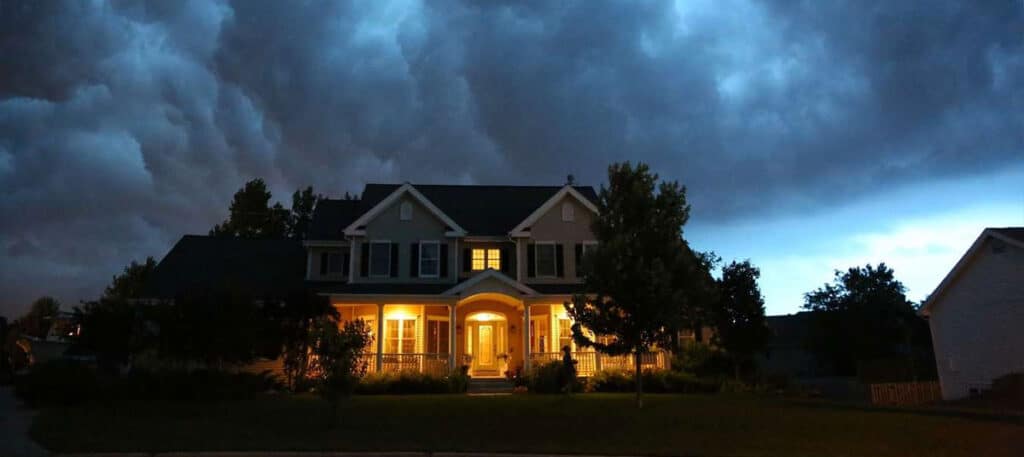
Ah, spring on Colorado’s Front Range. One day, you’re sipping iced coffee on your deck, the next, you’re holding onto your patio furniture as it tries to relocate to Kansas. We love the sunshine, but with it comes the “Spring Chaos Package”: wind, hail, sudden downpours, and temperature swings that make your shingles groan louder than a teenager asked to clean their room.

If winter is about survival, spring is about preparation. A thorough spring roof inspection is like a tune-up for your home’s first line of defense. Your roof. Skip it, and you’re asking for possible leaks, more damage, and a hefty repair bill. Do it right, and you’ll sail through the storm season like a pro.

Step 1: Inspect Your Roof from the Ground (Binoculars Optional but Recommended)

We’re not saying you should lurk in your front yard like you’re bird-watching for new shingle species, but binoculars can help you spot damage without risking life and limb.

What to look for:

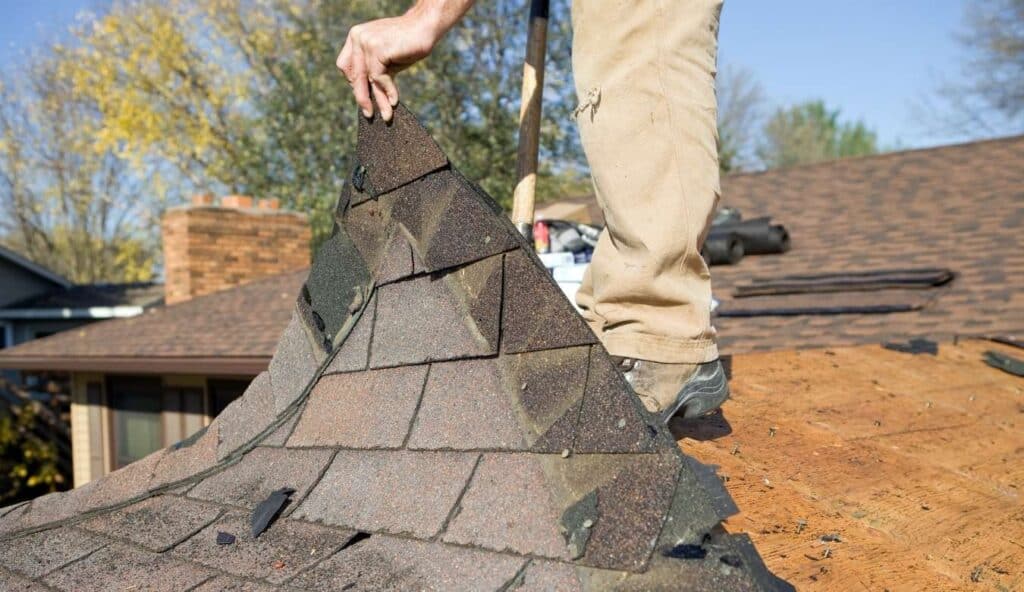
  • Missing or damaged shingles – Especially after heavy winds or hail, look for bare spots or shingles that are curling, cracked, or missing granules.
  • Sagging spots – In extreme circumstances, this could indicate water damage or structural issues.
  • Dark patches – Might be algae, moss, or water stains. It’s rare. And on the North side of the house that sports ice and snow in the shadows most of the winter after several storms… it can happen.
  • Black Pock Marks – Could mean hail has hit hard enough to cause shingle damage.

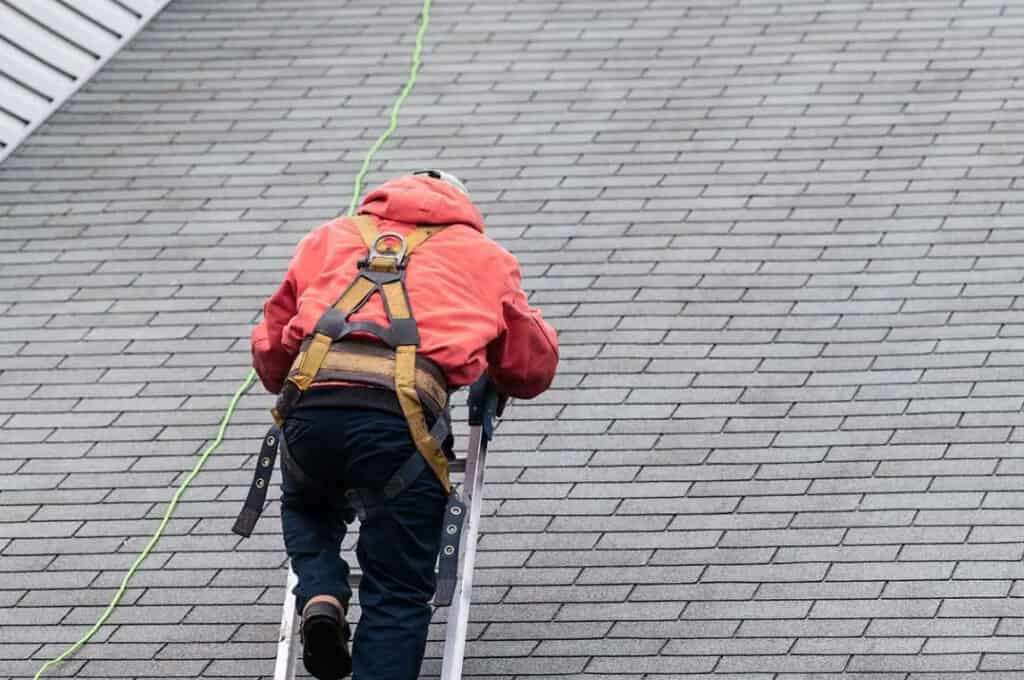
Pro tip: If you see something questionable from the ground, that’s your cue to call us for a full inspection. No need to climb the ladder yourself. Let us do it.

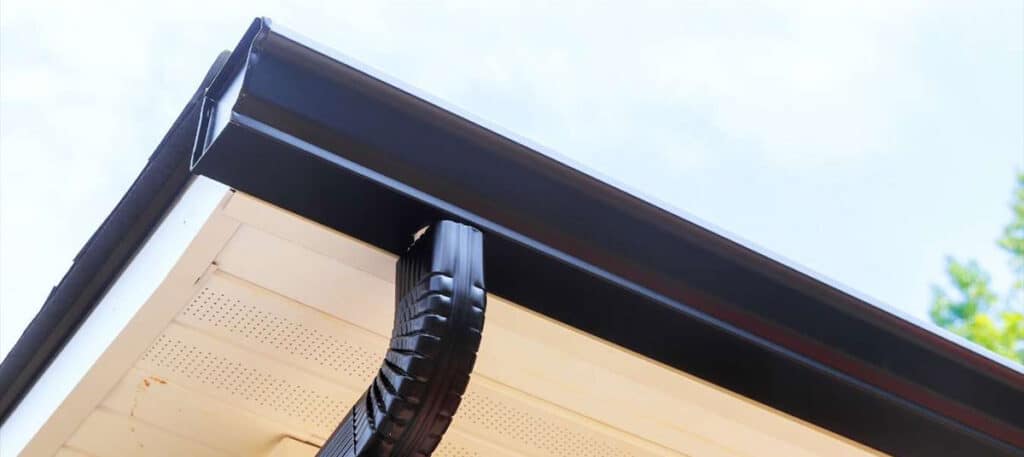
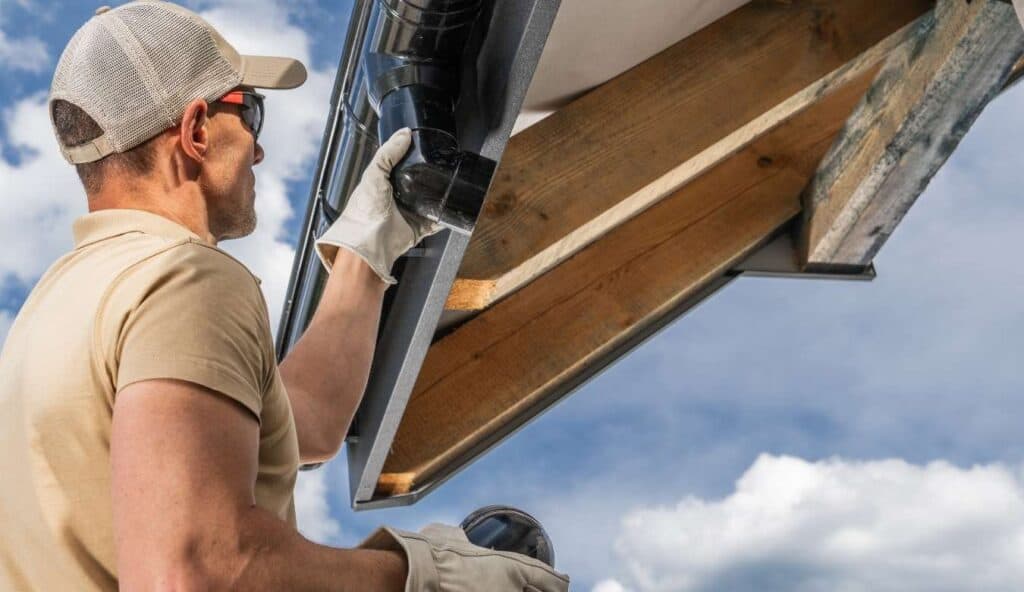
Step 2: Check Gutters & Downspouts (The Unsung Heroes)

Your gutters are basically your roof’s drainage system. When they’re clogged, water backs up and can cause:

  • Ice dams in the winter (yes, they can happen even in spring freezes too)
  • Foundation damage
  • Rotten fascia and soffit boards
  • Interior leaks

Spring gutter checklist:

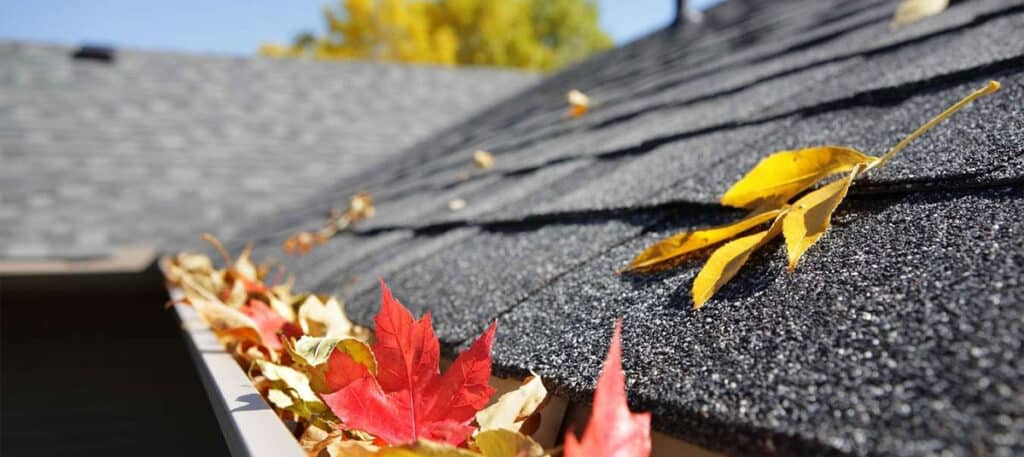
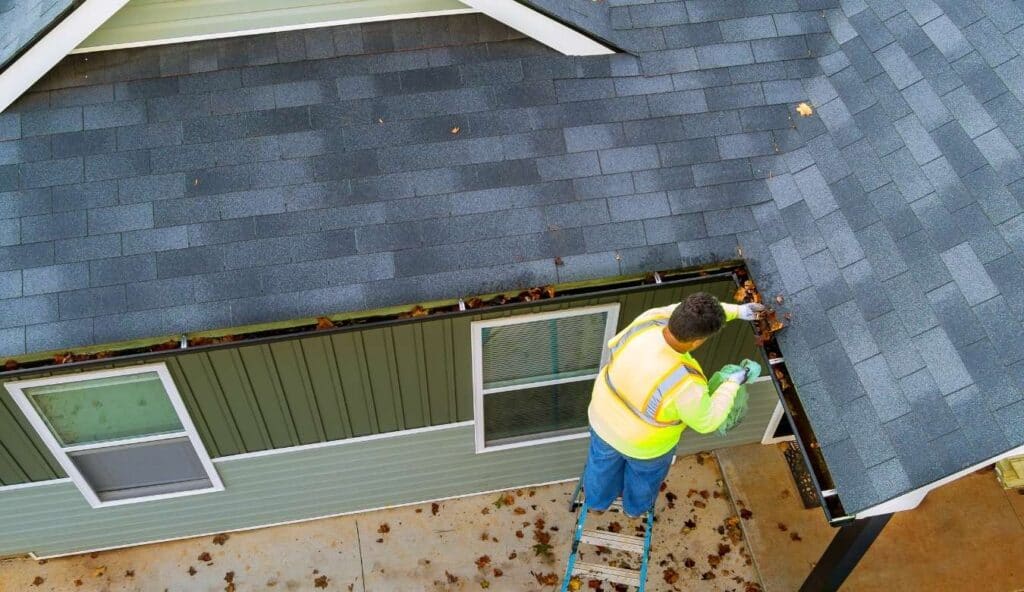
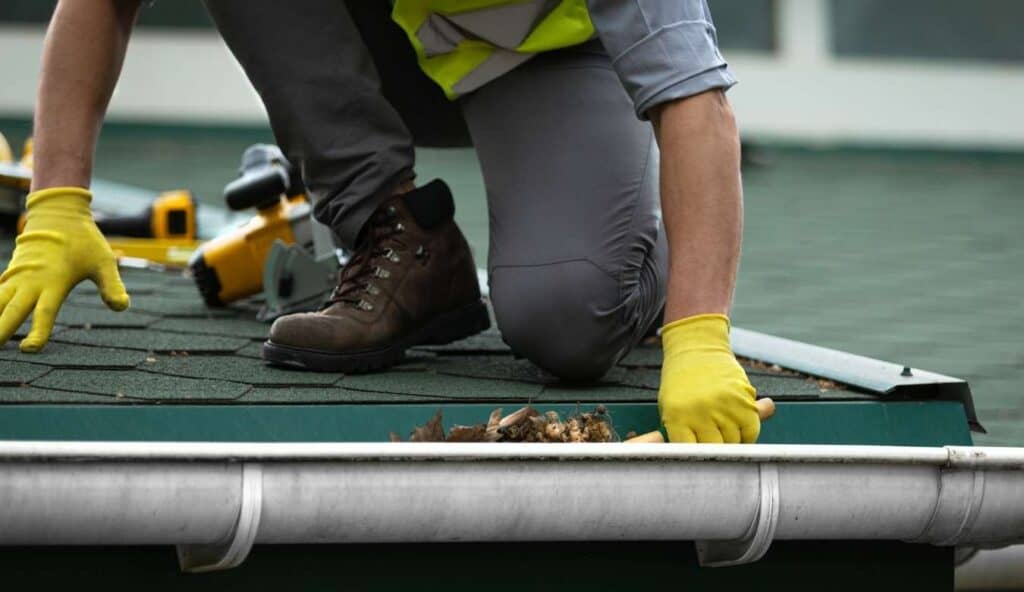
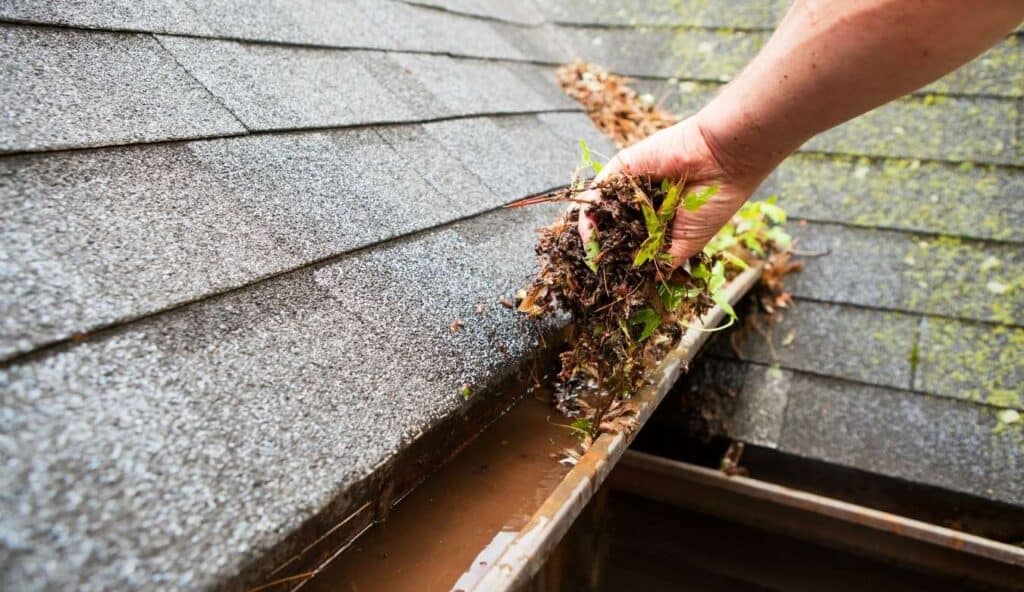
  • Remove leaves, pine needles, and that mystery sludge that appears every winter.
  • Make sure downspouts are clear and directing water at least 3 to 5 feet from your foundation.
  • Inspect seams for leaks and ensure gutters and downspouts are securely fastened.

Step 3: Inspect Roof Flashing & Seals

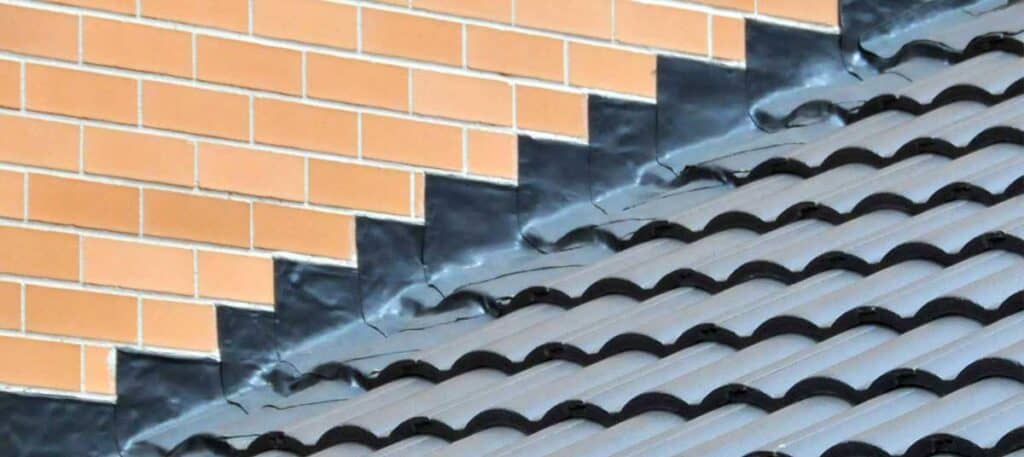
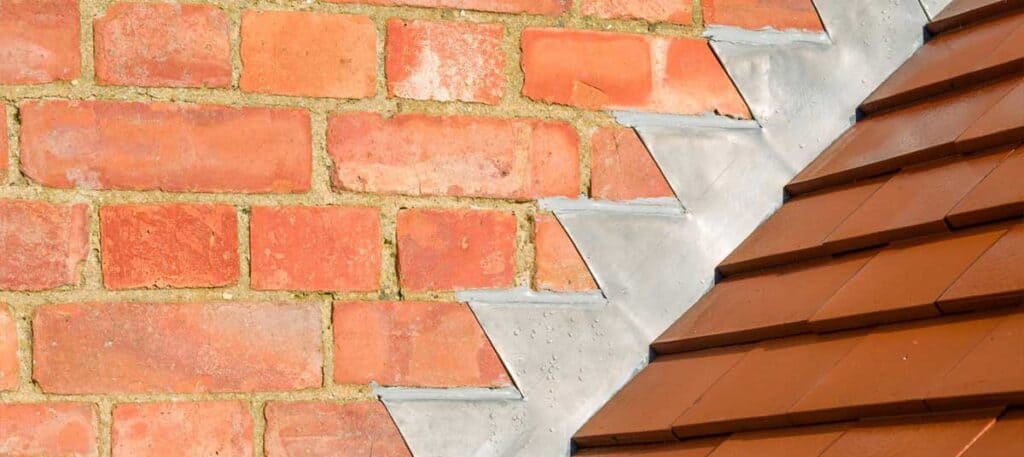
Flashing is the thin metal that seals areas where your roof meets your rakes and eaves, chimneys, skylights, vents, pipe jacks, and walls. If it’s bent, rusted, or missing, water will find its way inside faster than kids find Easter candy.

Key problem areas:

  • Chimney base
  • Around skylights
  • Valleys where roof planes meet
  • Roof-to-wall junctions are called “headwall or step” flashing
  • Pipe jack boots
  • HVAC stacks
  • Roof intake and exhaust vents

Why it matters: Even the smallest gap can let in enough water to rot wood, drywall, or ruin insulation. And in Colorado’s storm season, leaks multiply quicker than AI-generated cat memes.

Step 4: Evaluate Attic Ventilation & Insulation

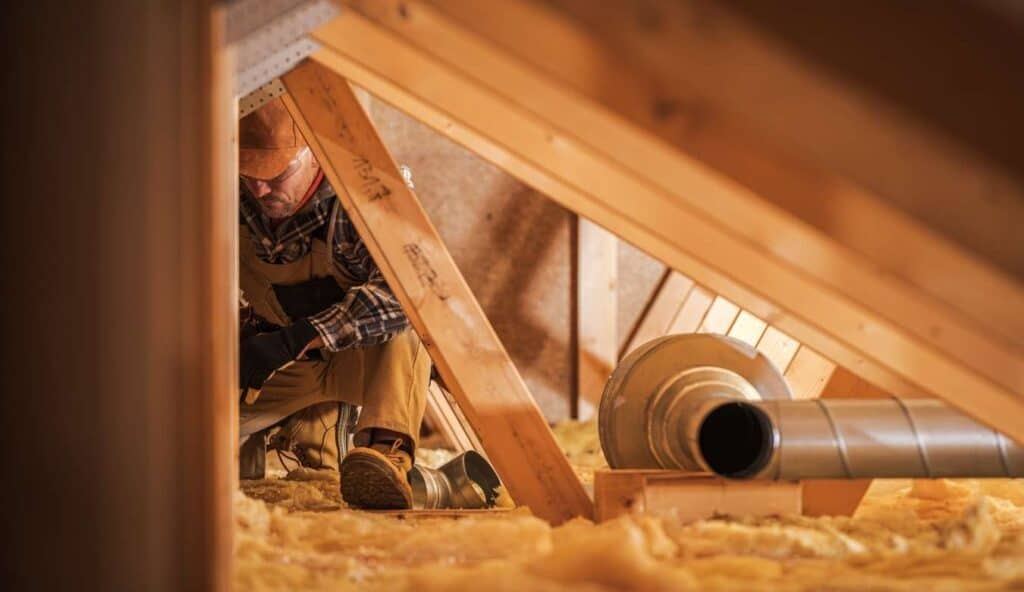
Most homeowners think only about attic ventilation in summer, but proper airflow is essential year-round. In spring, it:

  • Keeps roof decking dry and cool
  • Prevents mold and mildew growth
  • Extends shingle life
  • Prevents shingle cracking and curling

What to check:

  • Intake vents (soffits) aren’t blocked by insulation
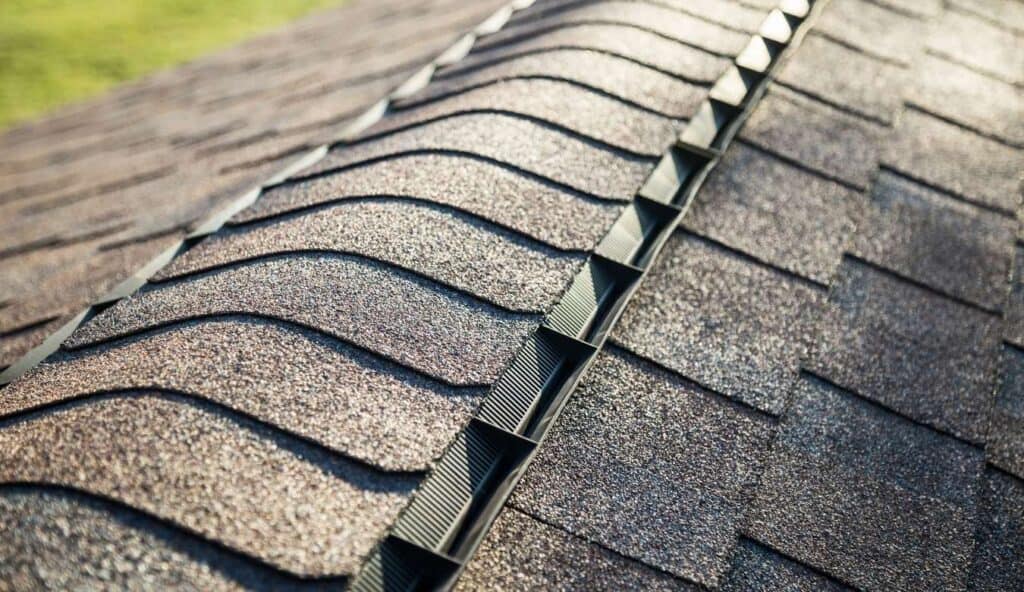
  • Exhaust vents (ridge or gable vents) are clear of debris
  • Insulation is dry and evenly spread
  • Warm rooms in the house, especially on southern exposures

If your attic feels like a sauna in March, it is probably time for a ventilation adjustment. Especially when your roof is being redone.

Step 5: Look for Storm Damage—Before the Next One Hits

Colorado’s spring weather is like a Michael Bay movie—lots of action, loud noises, and the occasional flying object. After each major storm, you can look from the ground at your roof, and if you have an upper story to your house, you can go around and look out the windows at the roof material to see if you can find anything out of the norm.

  • Check for any possible new shingle damage
  • Look for granules in gutters (a sign shingles are aging fast)
  • From the ground, you can examine siding, fences, window frames, gutters, paint, and decks for hail dents—it’s a clue your roof took a hit too

Insurance tip: Document everything with photos and call a professional roofer (hi, that’s us! Denny’s Roofing. Your local roofing expert) before calling your insurance company. We’ll give you the honest scoop so you don’t file unnecessary claims. A BIG no-no in the insurance industry.

Step 6: Trim Overhanging Trees & Remove Debris

Spring is prime time for trees to drop pollen, blossoms, and twigs all over your roof. Overhanging branches:

  • Scrape shingles in high winds
  • Drop debris that clogs gutters
  • Give squirrels and raccoons a roof-level welcome mat that is not good

Action: Trim branches at least 6–10 feet from your roofline. Bonus: it reduces the risk of branches crashing onto your house during storms.

Step 7: Schedule a Professional Roof Inspection

Sure, you can spot obvious problems, but many issues hide under the surface. A professional spring roof inspection in Longmont and the surrounding areas:

  • Identifies small problems before they become expensive repairs
  • Ensures ventilation and insulation are doing their job
  • Verifies your roof is storm-ready before hail season
  • Identifies previously overlooked Hail and Wind damage

Think of it like a dental cleaning—preventive care is way cheaper than an emergency root canal.

Frequently Asked Spring Roof Questions (FAQ)

Q: Can I just wait until I see a leak to call you?

A: You could—the same way you could wait until your car engine light is flashing red to see a mechanic. But it can cost you more and take longer to fix if you wait.

Q: How often should I clean gutters in Colorado?

A: At least twice a year—spring and fall. More often if you have trees nearby or after a big storm.

Q: What’s the #1 cause of roof damage in the Front Range?

A: Wind + hail + neglect. You can’t stop the first two, but you can absolutely prevent the third.

Spring weather in Colorado doesn’t mess around—and neither should you.

Get your free spring roof inspection with Denny’s Roofing today.

We’ll make sure your shingles, gutters, flashing, and ventilation are ready to take on whatever the Front Range throws their way. Because in Colorado, “storm season” isn’t a date on a calendar—it’s a way of life. Let’s keep your home ready for it.


From Storm Damage to a Dream Roof: How One Colorado Homeowner Found Peace of Mind with Denny’s Roofing

Colorado storms have a way of making themselves known. High winds, sideways rain, and hail that sounds like it’s auditioning for a drum solo — it’s all part of life along the Front Range. And while most homeowners accept the occasional wild weather as “normal,” few are ready for what happens when a storm leaves hidden damage on their roof.

That was the case for one of our clients—Sarah—who lives in Longmont.

The Aftermath of a Storm

Sarah had just endured a heavy spring hailstorm. On the surface, everything seemed fine. No leaks, no missing shingles… or so she thought. A few days later, she noticed tiny granules flowing from her gutters after a rain, and a subtle sag near one corner of her roof.

“I knew I should probably have it checked,” Sarah told us, “but I had no idea how stressful dealing with storm damage could get—or how complicated insurance claims could be.”

She called Denny’s Roofing for a free post-storm roof inspection, and that’s when everything changed.

The Denny’s Roofing Difference

From the very first call, Sarah noticed something different about her Project Manager, who had been assigned to her. From her call to the office, to her inspection of her entire property, the Denny’s Roofing team explained exactly how the inspection process worked, what to expect, and how we could handle her stressful storm damage professionally.

During the inspection, her Project Manager documented:

  • Hail damage to shingles
  • Lifted and damaged vent flashing
  • Granule loss on multiple sections of the roof from the recent storm
  • Damage to her window frames, vinyl siding, gutters, and screens

And, importantly, we did it thoroughly and transparently, photographing every issue and explaining what it meant in plain language—no confusing roofing jargon. Sarah was relieved. For the first time, she felt she had a clear plan and a trusted roofing contractor to help her out.

“I appreciated that I wasn’t being upsold or rushed,” Sarah said. “Every step was explained, and I knew exactly what was happening.”

Smooth Sailing Through Insurance

Many homeowners dread insurance claims after storm damage. Confusing policies, adjuster meetings, and endless documentation can turn a stressful situation into a nightmare. Sarah didn’t have to worry. Her Denny’s Roofing – Project Manager – guided her through every part of the insurance process:

  • Coordinating with the insurance adjuster
  • Documenting all damage properly
  • Submitting accurate measurements and reports
  • Explaining what items were covered and why
  • What needed to be supplemented
  • How to deal with her mortgage company once the payment arrives

“I honestly don’t know how or if I would have been able to manage all of this on my own,” Sarah admitted. “They handled everything professionally, and I felt like they were on my side the entire time.”

From Inspection to Roof Replacement

Once the claim was approved, Sarah’s roof replacement went as smoothly as a perfectly timed Colorado sunset. We scheduled the work efficiently, showed up on time, and completed the replacement with precision. Every day, Sarah knew what to expect. Our team cleaned up after themselves, communicated every step, and respected her home as if it were our own.

By the end of the project, Sarah had a free, brand-new Class 4 IR-storm-proof roof, and her stress level had dropped from maxed out to zero.

“It was amazing,” she said. “I never thought a roof replacement could feel this easy and professional. From start to finish, Denny’s Roofing made it simple, honest, and even… can I say, enjoyable?”

Why This Story Matters to You

Storm damage is stressful. Insurance claims are overwhelming. Roof replacements can feel daunting and impossible. But they don’t have to be.

At Denny’s Roofing, we combine:

  • Local expertise: We understand Colorado Front Range weather and storm patterns and install roofs that withstand the ups and downs.
  • Honest communication: You’ll understand every step of the process and feel comfortable with the work being done along the way.
  • Professional workmanship: Every roof is replaced to last, using quality materials, excellent workmanship, and up-to-date roofing best practices.
  • Full-service support: From inspection to insurance claim to final cleanup, we handle it all so you don’t have to.

Sarah’s story is a perfect example:

One call, one inspection, one well-managed process, and a thrilled homeowner with a safe, strong, better-than-before roof overhead. And her new shingles earned her a 25% discount on her homeowners’ insurance premium!

Protect Your Home and Your Peace of Mind

Don’t wait until a small leak or storm damage becomes a major problem. Whether you’ve noticed granules in your gutters, roof dents from hail, or just want a professional post-storm inspection, Denny’s Roofing is here to help.

We’re a family-owned Colorado Front Range company that prides itself on honesty, communication, and craftsmanship. Let us make a stressful process simple and give you the confidence that your roof—and your home—are in the right hands. Call today to schedule your post-storm inspection and experience the Denny’s Roofing difference!

Why You Should NEVER File a Roof Claim Alone

Navigating insurance claims without a knowledgeable roofing partner is a bit like trying to hike Longs Peak in flip-flops. Technically possible. Extremely unwise. So rope up and let us be your team lead and guide on your Roofing journey.

Here’s what most homeowners don’t realize:

Insurance companies aren’t responsible for finding all the damage. YOU are responsible for proving it. That’s where the right roofing contractor becomes invaluable.

How a Good Roofing Company Protects You (And Your Wallet in the end)

Not all roofers are the same — especially in Colorado. Between fly-by-night storm chasers and out-of-state crews following hail storms like a touring rock band, homeowners must be careful. But a good, local company? A reputable team that’s been serving the Colorado Front Range for years?

That’s why using a contractor like Denny’s Roofing is a game-changer:

1. We Know How to Document Damage Correctly

Insurance carriers need:

  • dozens of photos
  • proper angles
  • measurements
  • code references
  • material documentation
  • in a specific form and format

An experienced roofing team knows exactly what adjusters look for, what they need — and exactly how to prove it.

2. We Meet With Your Adjuster as Your Advocate

This is huge.

A roofer who meets the adjuster on site can point out:

  • hail impacts they would otherwise miss
  • lifted or creased shingles
  • discontinued shingles
  • granule loss
  • hidden soft-metal damage
  • vent and flashing impacts
  • code compliance issues
  • local ordinances
  • additional collateral damage
  • damage to siding, windows, screens, fencing, and gutters
  • damage to your paint and garage doors
  • damage to personal items on site

    Most claims get approved because the roofer is there — not because the homeowner explained the issue or showed the adjuster video of the storm.

    3. We Handle Supplements and Code Items

    Many homeowners don’t know this, but insurance companies don’t always cover code-required items unless they’re submitted correctly. And they always leave off a few items on purpose for this reason, hoping that either the homeowner or a fly-by-night roofer won’t supplement the claim.

    A good roofing company:

    • submits code documentation
    • files proper and appropriate supplements
    • negotiates the full scope from start to finish
    • ensures the carrier pays for EVERYTHING the roof actually needs
    • does all the negotiation and takes it off the homeowner’s plate

    Carriers rarely volunteer this type of information. They try to minimize claims while we work on your behalf and work to get you the coverage that you paid for and need for a proper installation. A professional roofer like Denny’s Roofing must often push for full coverage. And we seldom fail.

    4. We Know How to Push Back (Politely… and Persistently)

    Most people don’t want to argue with their insurance company.

    A good roofing company isn’t afraid to be persistent — and knows exactly how.

    They’ll challenge:

    • lowball estimates
    • incorrect material measurements
    • missed damage
    • unsupported denials
    • “cosmetic only” claims that are actually functional damage
    • “blistering” claims
    • outdated claims
    • accurate storm damage dates
    • paint damage

    This is important to know… they don’t fight against the carrier… They fight for what the policy already entitles you to be indemnified and put back to whole again.

    5. We Save You Enormous Time and Stress

    Once you pick your Contractor and sign a contract with them at the appropriate time, a good roofing partner handles:

    • scheduling inspections
    • meeting adjusters
    • documenting damage
    • communicating with the carrier
    • getting permits
    • submitting supplements
    • navigating approvals
    • ensuring code compliance
    • scheduling inspections
    • completion process
    • verifying Class 4 material certifications

    You get peace of mind instead of endless phone trees and hold music.

    Reminder: do NOT sign a contract with a door-knocking roofer right away. WAIT until the roof is approved by the Insurance Company, and you know you are going to be happy with them as your contractor. Door knockers will often pressure you into signing a contract on the spot. Just don’t do it.
      A Quick Story From the Front Range (Names Changed)

      A homeowner in Erie — let’s call her Michelle — filed a hail claim on her own. The adjuster walked the roof, took six photos, and told her:

      “It’s mostly wear and tear. Not enough storm damage for a replacement.”

      Michelle wasn’t convinced. So she called her local Insurance Agent, who then referred us — Denny’s Roofing. We are on the trusted referral list of over 100 agents! One of our project manager specialists re-inspected the roof and found:

      • dozens of verified hail hits the adjuster missed on multiple slopes
      • soft-metal hits
      • creased and damaged shingles
      • vent damage
      • code-required items not included
      • collateral damage around the rest of the home to windows, siding and gutters

      We met the adjuster onsite. We provided documentation, code citations, and a real measurement report.
      Her roof was approved within five days. This is incredibly common — and exactly why homeowners need someone in their corner. We know how the system works and will navigate the rough waters with you and for you.

      Why Denny’s Roofing Is the Right Partner for the Job

      For homeowners along the Colorado Front Range — from Longmont to Ft. Collins to Frederick to Firestone to Loveland, to Boulder to Thornton to Denver and the surrounds — navigating roof claims is not something you should ever do alone.

      Denny’s Roofing offers:

      • local expertise (we live here too)
      • honest and fair assessments
      • claims support from start to finish
      • detailed inspections and reports
      • help meetings with adjusters
      • do all the supplements and code documentation
      • roof replacements built to top tiered Colorado standards
      • transparency and communication that you can trust and count on

      We don’t inflate claims. We don’t play games. We don’t push homeowners into something they don’t need. We simply fight for what the policy owes you, using facts, documentation, and years of expert experience.

      Final Word: Don’t Let the Insurance Process Wear You Down

      Insurance carriers may be tightening their belts, but you don’t have to accept less than what you’re owed. A good roofing company:

      • protects you
      • advocates for you
      • explains the process in detail
      • documents every detail
      • and helps ensure your home is restored to being better than before

      If you’ve experienced storm damage anywhere along the Colorado Front Range — or you’re even wondering if you should file a claim — let Denny’s Roofing take a look first. We will give you an honest opinion you can trust from start to finish.

      Need Help With a Claim? Let Denny’s Roofing Fight For You.

      We make the insurance process easier, clearer, and far more successful than doing it on your own. Schedule a free storm-damage inspection today.

      And let us handle the hard part.

      When the Storms Pass — and the Drips Start

      You just shoveled your driveway, knocked the snow off the eaves of your roof, and thought, “Nice! My roof survived.”

      Then a few days later — drip… drip… drip… from the bathroom ceiling. Ugh. If you live along Colorado’s Front Range (like Longmont, Boulder, Ft. Collins, Loveland, Denver suburbs, and beyond), you know how the weather can swing: heavy snow, wild high winds, and sudden rain. And your roof? It takes the direct hits.

      Not all leaks are the dramatic “water pouring in” type. Some are a bit more “stealthy” — they sneak in after the snow melts, after ice sneaks up under your shingles, or when wind pushes blowing rain or snow sideways up into vents at strange angles. Those sneaky leaks can often start at odd places, like around a roof vent — say, a bathroom vent — or a skylight, and before you know it, you’ve got water damage, musty odors, or even mold starting to set in. Even here on the Colorado Front Range.

      Most roof leaks don’t show up during the storm. They reveal themselves days later — usually right when you least want them. This is when leaks often develop around:

      • roof vents
      • bathroom fan vents
      • plumbing stacks
      • skylights
      • chimneys
      • flashing
      • HVAC stacks

      You walk into the bathroom, glance up, and see it:

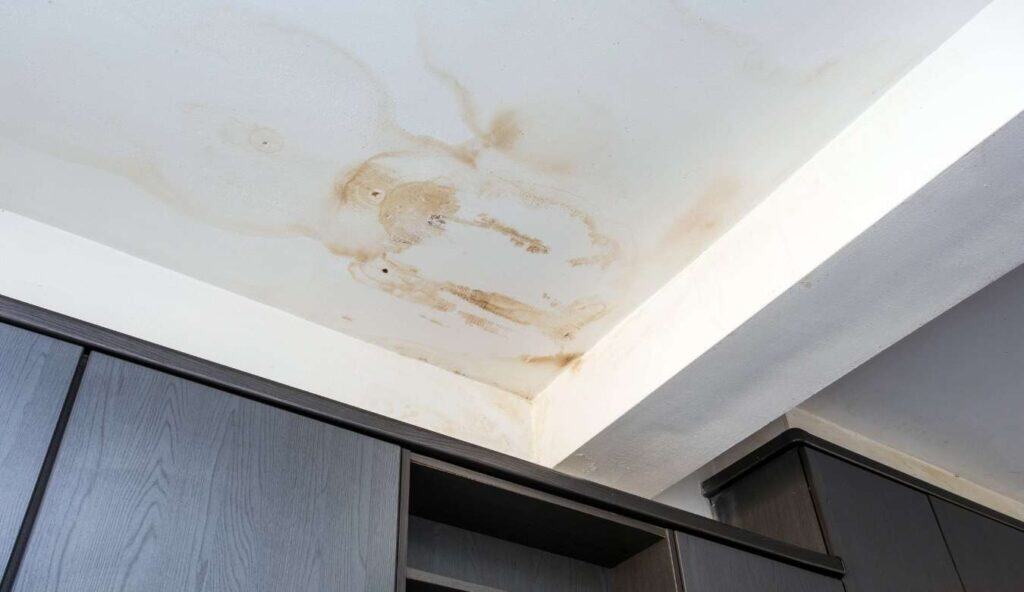
      A brown stain. A drip. A sagging patch in the ceiling.

      Congratulations… you may have a post-storm roof leak.

      Let’s walk through what can cause those leaks, how wind and snow can turn a vent or even the slightest hole in the underlayment can seep into a water inlet, and what you can do to avoid an unwelcome soggy surprise.

      Why Roofs Leak After a Snow or Rainstorm

      Worn, damaged, or missing shingles

      Your shingles are the first line of defense. But Colorado weather — hail, heavy rain, snow, wind — can crack, lift, or even rip off shingles. Most of the time, you should be fine. The underlayment beneath the shingles is really what waterproofs your roof. But, when the unexpected happens, water has a direct path under the protective layer and into the roof deck and then into your attic and voila… a leak shows up in your living room, bathroom or kitchen.

      The age of the roof doesn’t help either. Over time, shingle granules can wear off, shingles can become brittle, the adhesive strip can wear out, and their water-shedding ability can weaken. A roof that’s been around a while just isn’t as tough against storms as it once was.

      Ice dams and Snowmelt mischief

      In winter, snow can accumulate even on a heated roof, then slowly melt. If that meltwater runs down and freezes again — especially at eaves or edges of the gutters — it can form what’s called an ice dam. The dam traps water upslope on the roof, which can seep under shingles, nail holes or flashing and eventually work its way into the house.

      When the thaw finally happens? That’s when leaks often show up — dripping from ceilings or damp attic corners, even if the storm has long passed.

      Clogged gutters or poor drainage

      Gutters and downspouts are supposed to whisk water away from your roof and home foundation. If they’re stuffed with leaves, pine needles, debris — or clogged by ice or snow — water can back up and creep under shingles or along roof edges. That overflow can find weak spots and sneak inside.

      Faulty or aged flashing, seals & roof vents

      This is where it gets interesting — and very sneaky. Flashing is metal (or sometimes rubber) shielding installed around roof joints, slope transitions, vents, pipe jacks, skylights — the potential “problem areas.” Over time, flashing can corrode, crack, or pull away from its attachment. If the seal around a vent isn’t tight, or becomes compromised or even rotted from extreme UV rays, even a small gap can become a water highway for leaks.

      Similarly, vent boots (those rubber or metal “collars” around vent pipes) can dry out, crack, or shift with age and weather exposure. Caulking that has had it sealed can fail over time. Once compromised, water gets in.

      Also, if vent installation was done incorrectly during a DIY or a cheap job bid install, the entire flashing/venting system may be misaligned, allowing water easy entry.

      Wind-driven rain or snow — water sliding sideways into vents

      Here’s the sneaky ninja move Mother Nature loves: WIND. Especially on the Front Range, gusty winds can push rain or snow sideways. That means water and moisture don’t just fall down — it moves horizontally, and under the right (or wrong) conditions, into roof vents, under shingles, behind flashing.
      If that vent is for your bathroom (say a “fart” fan or exhaust vent), suddenly the roof goes from waterproof fortress to leaky cave — all thanks to bad weather, flawed flashing, or both.

      NOTE: During high winds, you might hear a metallic dinging or banging, which can often be the flapper on the vent that is being actively opened by the higher winds and the pressure from inside and outside the house. It’s not always that… but if you are hearing it during high winds… You don’t have to worry about it. It’s not uncommon.

      Bathroom Vents: The Roof’s Achilles Heel (Especially After Snow)

      Let’s say its winter here in Longmont. Snow piles up. A few days later, the sun hits the roof, snow begins to melt — but the wind is howling. Snow gets swirl-blown, flurries soak into the roof vent openings. Maybe the vent cap or boot is cracked. Maybe flashing has shifted with freeze-thaw cycles. Now you’ve got water running down the vent pipe — right into the bathroom ceiling or attic.

      Even worse: sometimes the vent boot’s rubber seal dries out from intense sun or becomes brittle after years of Colorado sun-and-wind cycles. Cracks show up; gaps form. Rainwater or melting snow doesn’t even need hailstones to sneak in.

      And because vents are small penetrations — not massive roof surfaces — leaks from these spots are rarely dramatic. Instead, they’re the kind that show up as stains, musty odors, damp insulation, or even mold. By the time you see them, damage might already be underway.

      How Colorado (And You) Can Stay Ahead of the Leak Game

      Think of your roof like a medieval castle wall. Every shingle, every flashing strip is a brick in that wall. After big storms — heavy snow, hail, gusty winds — it’s time for patrols:

      • Inspect shingles: Look for missing, curled, cracked, or granule-free shingles. Replace them quickly.
      • Check gutters/downspouts: Make sure they’re clear of debris, especially after fall or before winter. Proper drainage keeps water from backing up under shingles.
      • Examine vent boots & flashing around vents/skylights/chimneys: Ensure seals, rubber boots, and metal flashings are intact and properly installed. If flashing seems loose, corroded, or misaligned — call in the pros.
      • Pay special attention after heavy storms or snowmelt: Snow-to-rain transitions, freeze-thaw cycles, and high winds are especially dangerous for leaking.
      • Use high-quality, weather-resistant materials: Colorado’s sun, hail, snow, and wind are no joke. Durable shingles, vent caps, and corrosion-resistant flashing go a long way.

      If you do find a leak — especially around a roof vent — don’t treat it like a nuisance. Sometimes all you need is a little maintenance and a good caulking gun. What seems like a tiny drip can become rot, mold, and serious structural damage if left unaddressed.

      Final Word: A Roof Is Only as Good as Its Weakest Seal

      As a homeowner along Colorado’s Front Range, you might think snowstorms are the only thing to worry about. But often, the worst leaks come from what you don’t see: wind-driven rain, snow blown sideways by gusty winds, or melted snow sliding down into a cracked bathroom vent boot.

      If your roof had a rough winter — or a wild summer hailstorm — remember: treat it like you just got back from war. Inspect every seam, every vent, every shingle. Patch up weak spots. Because when water sneaks in, it doesn’t knock. It just drips… and waits.

      If you don’t want to climb up on your roof. Give us a call at Denny’s Roofing. We can do the climbing for you and know what to look for.

      We are happy to come out and do the inspection so that you don’t have to.

      When in Doubt, Let Denny’s Roofing Take a Look

      Whether you’re in Longmont, Firestone, Niwot, Frederick, Boulder, Erie, Fort Collins, or anywhere along the Colorado Front Range… If you spot a leak after a snow or rainstorm — especially one near a bathroom ceiling — it’s time to call in the pros.

      Our team specializes in:

      • Roof leak detection
      • Vent boot repair
      • Flashing replacement
      • Storm damage assessment
      • Ice dam prevention
      • Full roof tune-ups

      And yes — we’re very familiar with sneaky bathroom vent leaks. We fix them all the time.

      Let’s Keep Your Home Dry, Cozy, and Leak-Free

      Storms come with the territory in Colorado — but roof leaks don’t have to. If you’ve noticed stains, drips, or suspicious spots after a storm, reach out to Denny’s Roofing today for a fast, friendly inspection. Especially after a big hailstorm. We’ll find the problem, fix it properly, and get your home back to dry and warm — the way it should be. Give us a call, and we can come out and take a look!

      Roof Leaks, Storm Chasers, and the Homeowner’s Survival Guide

      You don’t need a PhD in Roofing when you hire the right contractor.

      Picture this: you’re sitting on your couch in Boulder, watching the latest reboot of your favorite 90’s sitcom (because apparently Hollywood ran out of ideas), when you hear it… drip. drip. drip.

      That tiny drip from the ceiling isn’t just annoying background noise—it’s the opening act to the world’s most inconvenient home renovation project. Roof leaks in Colorado can escalate faster than Ross and Rachel’s “We were on a break” argument. And here’s the kicker—many homeowners don’t even realize they have damage until it’s gotten bad enough to see. Or in this case… hear. Pro tip: If you wait until water is showing inside your house, you’ve already skipped the easy (and cheaper) fix stage.

      1. Why Storm Chasers Are Like the Villains in a Marvel Movie

      Colorado’s hailstorms are legendary. So legendary, in fact, that they attract “storm chasers” — not the cool weather science kind, but the kind that roll into town in beat-up pickup trucks with temporary decals, promising “the deal of a lifetime.”

      They’ll swoop in after a big storm, offer “free” inspections, pressure you into signing something on the spot, and then… when they come down off the roof… they say… “Call in a claim. You have damage.” They want some money upfront for work to be done in the future. Then they vanish faster than Loki after a bad scheme.

      How to spot a storm chaser roofing scam:

      • They can’t show a Colorado local business license or insurance.
      • Their phone number area code or vehicle license plate is from a different state.
      • They push you to sign a contract or agreement BEFORE your insurance company even inspects your roof.

      2. The Denny’s Roofing Difference: Why Local Matters

      We’re not just “based” in the Colorado Front Range—we live here, work here, and shovel our own driveways after those heavy snows. We’ve repaired roofs after freak August hailstorms and replaced shingles after March windstorms for years.

      Why hire local?

      • We know Colorado weather patterns (and what materials stand up to them).
      • We’ll still be here years from now if you need warranty service.
      • We work with your insurance the right way—no pushy, shady tactics.
      • We are here for the long haul and have a reputation to uphold.

      It’s the difference between ordering pancakes at a diner that’s been in town for 20 years… or trusting a pop-up food truck you’ll never see again.

      3. The Truth About “Free Roof Inspections.”

      Yes, free inspections are a thing. We do them. Everyone SHOULD do them. But here’s the difference—you’re getting a real assessment, not a “guess-timate” meant to sell you something you don’t need.

      We actually get up on the roof (crazy, right?), document the damage with photos, and explain your options in plain English. If you don’t need a replacement, we’ll tell you—and maybe even fix a small issue right there on the spot.

      Fun fact: 30–40% of the roofs we inspect after storms don’t actually need replacing. Sometimes your roof just needs a repair, some caulking, or a little TLC.

      4. Roof Replacement vs. Repair: Making the Call

      When should you replace vs. repair? Think of it like your favorite old car:

      • If it has a few dents but still runs well, repair.
      • If it breaks down every month and the parts cost more than the car, replace.

      We’ll help you compare:

      • Cost difference over 5–10+ years.
      • Insurance coverage vs. out-of-pocket.
      • Material lifespan in our climate (hint: not all shingles are created equally).

      5. How to Be a Roof-Savvy Homeowner

      You don’t have to climb up there yourself—just know the signs:

      • Missing, cracking, pockmarked, or curling shingles.
      • Granules are collecting in your gutters.
      • Water stains on your ceiling.
      • Ice dams in winter.
      • Finding stray shingles in your yard after a windstorm

      And—bonus—schedule an annual roof checkup before storm season. Think of it like your yearly physical, but for your home.

      Call Before the Clouds Roll In

      We’ve been protecting Colorado homes for years, and we know how fast the weather can change here. (If you don’t like the forecast, wait 10 minutes, right?)

      Whether it’s a suspected leak, visible damage, or you just want peace of mind before hail season, we’re here. No pressure, no gimmicks—just honest roofing from people who care about keeping your home safe.

        Denny’s Roofing—your Colorado roof repair and replacement experts. From leaks to hail damage, we’ve got you covered before, during, and after the storm.

        Colorado Front Range Winter Roof Prep: Avoid Ice Dams & Hail Damage

        Winter on the Front Range can feel like a reality show — one minute you’re basking in sunshine, the next you’re starring in Game of Thrones: The Snow Edition. You might not be facing the fearsome “White Walkers,” but if your roof isn’t prepped and ready for the season change, you could be facing winter ice-damming troubles and water damage down the line.

        Let’s talk about how to armor up your roof before the heart of winter hits—so you avoid leaks, insurance headaches, and don’t end up being able to go ice-fishing off your own gutter.

        1. Know Your Enemy: What is an Ice Dam—and Why They Can Ruin Your Day?

        Ice dams form when snow melts on the warmer part of your roof, then refreezes at the eaves (gutter line)—creating a frozen dam that can back up water under your shingles and leak into your home. It’s nature’s worst party trick—pretty to look at, destructive to live with under the wrong circumstances.
        Always pay attention during bigger snowstorms to the icicles that form off the gutters. In Colorado, heavy snow, wide temperature swings, and sometimes cozy-but-air-leaky attics make ice dams way too common.

        2. The Winter Prep Playlist: 6 Steps to Send Ice Dams Packing

        a. Seal Air Leaks & Insulate the Attic like a Burrito

        Any warm air sneaking into the attic—from the inside of the house, around vents, chimneys, light fixtures, crawl space entrances—can end up giving your roof a spa day based on the humidity that gets up in your attic. Seal gaps with caulk or spray foam, weather stripping, and target R-38 or better for the insulation for your attic floor. A little prevention goes a long way

        b. Ventilate: Let It Breeze, Let It Breathe

        Balanced soffit-to-ridge ventilation is going to be your roof’s chill pill. Cold air in, hot air out – keeps the roof surface uniformly cold. No melting around the eaves and soffits means no dams.

        c. Gutters—Clean ’em Like Grandma’s China

        Clogged gutters trap water that freezes into mini gutter glaciers. Keep them clear so melting snow flows off and down your downspouts—not back under your eaves and up under your shingles, which is where the leaks can happen and end up on your inner walls.

        d. Add Ice & Water Shield Membrane

        Think of it as a wetsuit for your roof’s vulnerable spots (eaves, valleys, exterior walls, and all pipe jacks, and venting), keeping meltwater and also heavy rains from sneaking inside. This must be installed during your roof replacement if you don’t already have it. When you are getting your roof replaced by an expert roofing company like Denny’s Roofing, have them check to see if it’s already on your roof. If not… talk to your Project Manager about adding it. Well worth the effort. We put it back on almost all of our roofs… just in case.

        e. Heat Cables for When the Drama Won’t Quit

        Lay zigzagging de-icing cables along your roof’s edge to give meltwater a warm escape route. It’s not glamorous, or necessarily pretty, but it works when all else fails. Especially if you have the ongoing issue with ice dams.

        f. Snow Removal: Your Roof’s Cold-Weather Selfie Stick

        If it’s a big ongoing issue, you can use a snow roof rake to gently clear snow from lower eaves to prevent the build-up. Suggestion: NEVER climb up on the roof or a ladder in the winter solo. There is just too much that can happen, and none of it is good. The snow rake acts like a timeout button before ice builds up. Search HomeDepot.com or Amazon for a “snow roof rake,” on a long extension pole, and get one that might work for your roof.

        3. Spring Hailstorms: When Winter Punches Hard – and SPRING and SUMMER Hit Harder with Big Hailstones.

        Colorado isn’t just about snow—it’s about hailstones that can literally be the size of softballs. They don’t get that big that often. And it can and does happen. We’ve seen it. Even short storms can leave lasting damage when the hailstones are hard enough, or the wind intensifies the power of the hail:

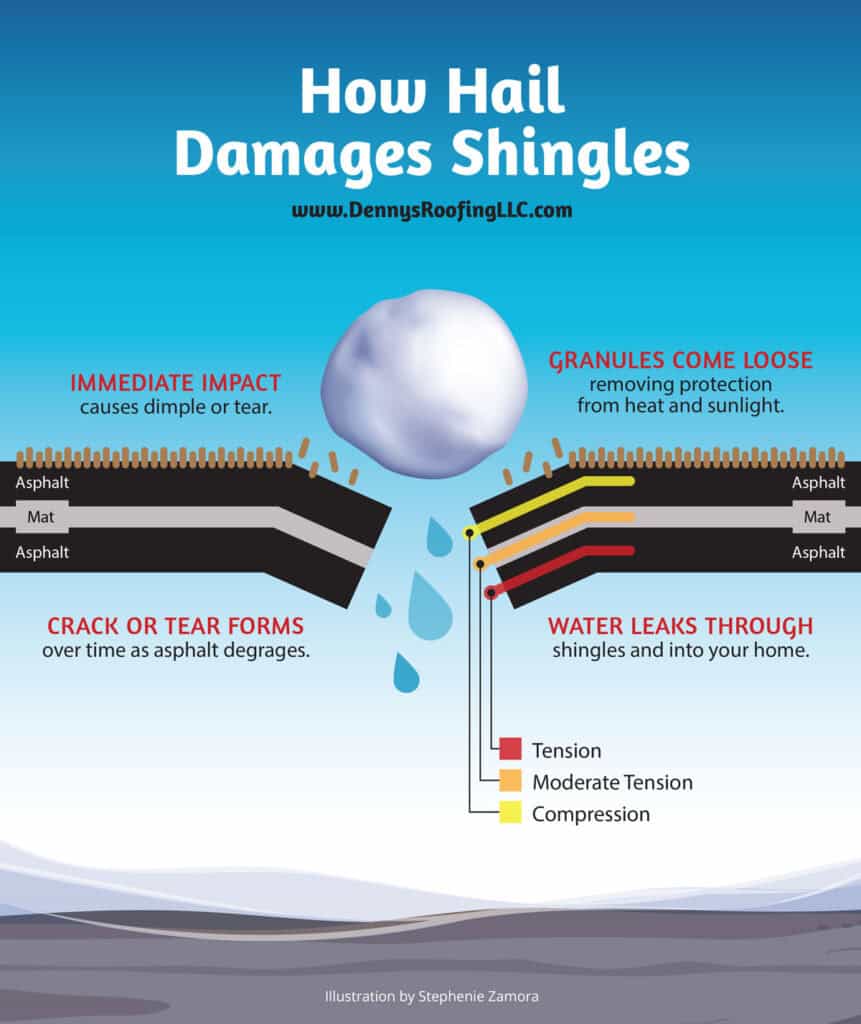
        • Asphalt shingles can get bruised, crack, and/or lose granules.
        • Metal roofs can be bruised or dented.
        • Flashing and gutters? They are vulnerable to hail and wind.
        • Paint can get dinged up.
        • Window frames can be damaged.
        • Window Screens are highly susceptible to hail damage.
        • Siding can take a beating.

        4. Armor Up: Hail-Resistant Roofing Materials

        If your home were a superhero, this would be its armor upgrade:

        • Class 4 impact-rated materials (UL 2218): Built tough to shrug off up to 2-inch hailstones, depending on the hardness of the hail.
        • Metal and Tile roofing materials: Roof coverings that withstand smaller hail strikes and last longer. They are much more expensive and don’t take the same abuse that shingles can.
        • Trim overhanging branches off your trees: Because free clobbering tools in the form of tree limbs and branches in a storm are not always approved by insurance carriers. Some consider it negligent in certain situations.

        5. Bonus Tips: Pro Strategy

        • Inspection is everything: Fall inspections catch issues before cold breaks them. Let the professionals climb—not you! Gutters and Downspouts with attitude: Keep them clear, functional, and ready to flow—no excuses.
        • Inspections after a Hail Storm: Don’t hesitate to call us out after a hail storm. Especially if you start to see your neighbors getting their inspections. Denny’s Roofing is your local Roofing Expert, and we KNOW what to look for after a storm.
        • Don’t wait until the end of the Hail Season: Get your roof checked right after a storm for peace of mind. Some insurance carriers have a shorter window of repair after a “date of loss” to get the work completed than some companies do.

        Winter is Coming—but Denny’s Roofing is Coming Stronger.

        Not sure if your roof needs sealing the air leaks, ventilating, or putting heat cables on your roof before that first snow hits? Contact us for a free inspection, local expertise, and winter-proof peace of mind.”

        Every Front Range winter throws a plot twist—snow, ice, hail, you name it. But if your roof is prepped with airtight insulation, smart ventilation, clean gutters, and potential upgrades for hail resistance, you’ll face the season like a seasoned superhero—less battle, more comfort.

          Roof Maintenance Tips That Could Extend Your Roof’s Life by 10 Years

          Because your roof deserves a decade of extra life—and a little TLC.

          Living in Colorado means experiencing all four seasons—sometimes in a single day. From hailstorms that sound like a drumline on your shingles to snow that overstays its welcome to the blistering sun and UV rays that seem to be getting hotter and hotter each summer due to recent climate change, your roof endures a lot. With the proper maintenance, you can help it stand firm against the elements.

          1. Keep It Clean: Debris Is Not Decorative

          Leaves, pine needles, and other debris can trap moisture, leading to the growth of rot and mold. Regularly clearing your roof and gutters ensures water flows where it should—away from your home. Try to have your roof and gutters cleaned at least once a year as part of your regular roof maintenance.

          Twice a year, if you have trees close to your house and experience a lot of leaf fall during the fall, you may need to rake. If you have a one-story home, you can find a high-pressure extension for a hose that has a hook on the end, which can be aimed down into most gutters and cleaned from the ground. It’s messy but effective for cleaning the gutters.

          2. Inspect Regularly: Be a Roof Detective

          Twice a year, and after major storms, inspect your roof thoroughly. Look for missing shingles, rusted flashing, or any signs of wear. Early detection through regular roof inspections can save you from costly repairs down the line.

          If you have a two-story house, you can safely look out the windows to see your roof. Alternatively, if you’re a little shy about climbing ladders, you can call us for a roof inspection. We would be happy to help take a look.

          3. Address Repairs Promptly: Don’t Procrastinate

          If you spot damage, act quickly. Minor issues can escalate if ignored. Think of it like a cavity—better to fill it now than need a root canal later. Call us out to do a roof inspection and ensure your roof is in top condition.

          4. Ensure Proper Ventilation: Let It Breathe

          A well-ventilated attic prevents heat and moisture buildup, which can cause your roof to warp and reduce its lifespan. Proper airflow keeps things cool and dry. About 90% of all roofs are underventilated.

          Additionally, if you don’t have appropriate airflow in your attic and it reaches high temperatures, you will incur higher electric bills. The internal heat will literally “cook” the shingles from the inside out, reducing their lifespan.

          5. Prevent Ice Dams: Winter’s Sneaky Saboteurs

          Ice dams form when heat escapes from your attic, melting snow that refreezes at the eaves. This can cause water to back up under shingles, highlighting the need for proper roof maintenance. Ensure your attic is well-insulated and ventilated to keep your roof surface cool, which is crucial for maintaining your roof’s integrity. If you have a product designed to prevent organic material buildup in your gutters when leaves fall… You can experience extra ice buildup on your gutters during the winter months, which can cause significant and potentially dangerous icicles to form. These icicles can fall and hurt you if they are over a walkway.

          When we perform a roof replacement, we also install an Ice and Water Shield moisture barrier on the eaves of the roof to help prevent leaks from ice damming, thereby extending the life of your roof.

          6. Trim Overhanging Branches: Nature’s Threat

          Branches can scrape your roof and drop leaves, leading to damage and debris buildup, which emphasizes the importance of regular roof maintenance. Keep trees trimmed to prevent these issues and protect the life of your roof.

          7. Watch for Pests: Unwanted Tenants

          Rodents, birds, squirrels, raccoons, bees, and insects can make themselves at home on your roof, causing damage. Regular inspections can catch infestations early and help maintain the integrity of your roof system.

          8. Upgrade Shingles: Go Class 4

          In hail-prone areas like Colorado, Class 4 impact-resistant shingles offer superior protection as part of an effective roof maintenance strategy. They can withstand severe weather and may even lower your insurance premiums, extending the life of your roof.

          We give free upgrades if you don’t already have them installed on your roof. Let’s discuss the roof maintenance tips that would work best for you.

          9. Clean Gutters: Avoid Water Damage

          Clogged gutters can cause water to back up onto your roof, leading to rot and leaks. Not to mention overflow that can cause damage to fascia and soffits. Regular cleaning ensures proper drainage.

          10. Schedule Professional Inspections: Call in the Pros

          Even with diligent self-inspections, a professional eye can spot issues you might miss. Regular check-ups by experts, such as Denny’s Roofing, can catch problems early.

          Denny’s Roofing: Your Colorado Roofing Experts

          At Denny’s Roofing, we understand the unique challenges Colorado roofs face and offer tailored roof maintenance solutions. With over 35 years of experience, we offer:

          • Free inspections and estimates
          • Class IV shingle upgrades
          • Expert repairs and replacements
          • Insurance claim assistance
          • 5-star customer service
          • Good old-fashioned Customer Service
          • Excellent Communication at every step of the process

          Our team is dedicated to providing exceptional service to Longmont, Windsor, Loveland, and the surrounding areas. In fact… we serve the entire Front Range.

          Other Related Questions We Received Related to Roof Repair and Regular Maintenance

          Q: How often should I schedule regular roof inspections?

          A: It is recommended to schedule regular roof inspections at least twice a year, ideally in spring and fall. This helps identify potential issues early and extend your roof’s lifespan.

          Q: What are some essential roof maintenance tips to extend the lifespan of my roof?

          A: To extend the lifespan of your roof, regularly clean your gutters, inspect your roof for damage, maintain roof flashing, and address any roof leaks immediately. Routine maintenance is key to a well-maintained roof.

          Q: How can I detect roof damage early?

          A: Regular roof inspections can help detect roof damage early. Look for signs such as missing or damaged shingles, moisture on your roof, and any visible roof leaks. A professional roof inspection can also provide a thorough assessment of the roof’s condition.

          Q: What is the importance of roof flashing in roof maintenance?

          A: Roof flashing is crucial for preventing water from seeping into your roof deck and causing damage. Ensuring that flashing is intact and properly sealed is an essential part of roof care, as it helps extend the lifespan of your roof.

          Q: How does proper roof ventilation affect the lifespan of my roof?

          A: Proper roof ventilation helps regulate temperature and moisture levels, preventing damage to roofing material and extending the lifespan of your roof. It is an essential aspect of maintaining a healthy roof.

          Q: When should I consider hiring a roofing contractor for roof repair?

          A: If you notice significant roof damage, such as large leaks, extensive shingle loss, or structural issues, it is advisable to hire a roofing contractor. Professional roof repair ensures that the problem is addressed correctly, helping to protect your roof.

          Q: How can cleaning my gutters help extend the lifespan of my roof?

          A: Cleaning your gutters prevents water buildup and potential roof leaks, which can cause damage to your roof. Regular gutter maintenance is a simple yet effective way to help extend the life of your roof.

          Q: What should I do if I find a roof leak?

          A: If you find a roof leak, take immediate action by contacting a roofing company for repair. Addressing leaks promptly helps prevent further damage and ensures your roof remains in good condition.

          Q: Can routine maintenance extend the life expectancy of my roof?

          A: Yes, routine maintenance, including regular inspections and timely repairs, can significantly extend the life expectancy of your roof by preventing minor issues from becoming major problems.

          Q: Why is it essential for homeowners to inspect their roofs regularly?

          A: Regular inspections allow homeowners to identify and address potential issues before they escalate, helping to maintain the roof and extend its lifespan. It also helps ensure your roof remains in optimal condition.

          Ready to Extend Your Roof’s Life?

          Don’t wait for a leak to take action. Contact Denny’s Roofing today for a free inspection and see how we can help your roof last for years to come.

          Protect your home with Denny’s Roofing—where quality meets reliability.

          Secret Tips Roofing Experts Only Share With Their Clients

          If you’re searching for “roofing contractors near me” in Colorado, you’ve probably noticed that every company in the roofing industry claims to be the best. What dirty secrets do some roofing companies tell their clients behind the scenes?

          At Denny’s Roofing, LLC, we believe in honesty, transparency, professionalism, a touch of humor, and a wealth of roofing expertise. So, grab your favorite beverage (we recommend a local craft brew or a strong cup of coffee—Denver style), and let’s spill the beans on what only expert roofing contractors share with their clients.

          1. “Not All Roofers Are Created Equal (Sorry, Superheroes, You’re Out)”

          Let’s face it: in the world of roofers, there are heroes, and there are villains. Some companies swoop in like Batman, save the day, and then vanish without a trace. But when you need them, a quick call will bring them back to help out again. Others… well, let’s say you might end up with more leaks than a sinking ship in Titanic.

          At Denny’s Roofing, LLC, we’re more like your friendly neighborhood Spider-Man—always there when you need us and never afraid to get a little dirty for the greater good. With over 10 years in the industry, we’ve seen it all: hail storms that would make Thor jealous, wind gusts that rival Dorothy’s tornado, and snow loads that would make Elsa say, “Let it go!”

          2. “Your Roof Is Like a Superhero Cape for Your Home”

          Think of your roof as your home’s superhero cape. It protects your family, your stuff, and your sanity from Colorado’s wild weather. But unlike Superman, your roof can’t fly—so it needs regular checkups and a little TLC.

          Expert roofers (like us) don’t just slap on shingles and call it a day. We inspect, repair, and maintain your roof so it remains strong, leak-free, and ready for whatever Mother Nature throws its way. And yes, we’ll even help you navigate the insurance claim process if a storm rolls through like a villain in a Marvel movie. Storms do happen here on the Colorado Front Range, and we are experts in navigating the entire process with as little stress as possible.

          3. “Free Inspections Aren’t Just a Sales Pitch—They’re Lifesavers”

          Here’s a secret: the best roofing companies near you (like Denny’s Roofing) offer free inspections and estimates. Why? Because we genuinely want to help you, the homeowner, protect your home—and save you money in the long run.

          A free inspection can catch minor problems before they become big, expensive disasters in the roofing industry. Or worse… Not realizing that you had hail damage from last year’s storm, and the time has run out to file a claim for a new roof, and now it’s leaking. Think of it like getting a checkup at the doctor—except your roof doesn’t have to say “ah.” You will be informed of the inspection results when we share them with you.

          4. “We Speak Insurance (And We’re Fluent in ‘Hassle-Free’)”

          Dealing with insurance after a storm is about as fun as watching paint dry. But expert roofers know the ins and outs of the roofing process, and we’ll guide you every step of the way.

          At Denny’s Roofing, LLC, we’re not just roofers—we’re insurance claim specialists. We’ll handle the paperwork, make the phone calls, and navigate the process without all the headaches so you can focus on what matters: binge-watching your favorite show while your roof gets fixed.

          5. “We’re Local, and We Care About Your/Our Community”

          Some roofing companies are like tourists—they show up, do the job, and disappear. However, at Denny’s Roofing, LLC, we take pride in being part of the Colorado community. We serve neighborhoods from Denver to Longmont, Ft. Collins to Castle Rock, and we treat every home like it’s our own, ensuring quality roofing services.

          We’re not just here for the paycheck. We’re here to build trust, one roof at a time. And with 93% of our business coming from referrals, our reputation is as solid as a Rocky Mountain.

          6. “We’re Not Just About Roofs—We’re About You”

          Here’s a little-known fact: the best roofing contractors near you care about more than just your roof. They care about your experience, your peace of mind, and your sense of humor (yes, we’ll laugh at your dad’s jokes because we want you to laugh at ours, too.)

          At Denny’s Roofing, LLC, we take pride in delivering 5-star customer service. We’ll keep you informed, answer your questions, and ensure your comfort throughout the entire process. Because let’s be honest—roofing shouldn’t be stressful. It should be as smooth as a Taylor Swift melody (minus all the breakup drama.)

          7. “We’re Materials Experts (But We Won’t Judge Your Shingle Choices)”

          There are more roofing materials out there than flavors at an ice cream shop. Asphalt, metal, tile—you name it, we’ve installed it.

          While we’ll provide you with expert advice on the best choice for your project, we promise not to judge whether you want your roof to look like a work of art or blend in with the neighborhood. We are here to make your experience easier than a Nikola Jokic jump shot.

          We use top-quality materials and the latest techniques to ensure your roof is durable, energy-efficient, and well-equipped to withstand whatever Colorado throws its way.

          8. “We’re Not Just Repairing Roofs—We’re Protecting Dreams”

          Your home is more than just a building to you, which means that your roof is just as vital to us as it is to you. It’s where memories are made, where your kids grow up, and where you relax after a long day.

          That’s why we take our job so seriously.

          At Denny’s Roofing, LLC, we’re not just fixing leaks or replacing shingles. We’re protecting your family, your investment, and your peace of mind. And we do it with a smile, a handshake, and maybe even a bad dad joke or two.

          9. “We’re Here for the Long Haul (Not Just the Quick Fix)”

          Some roofers are in it for the quick buck. But at Denny’s Roofing, we’re here for the long haul. We offer regular maintenance to keep your roof in tip-top shape, so you don’t have to worry about surprises when the next storm hits.

          Think of us as your roof’s trainer—keeping it strong, healthy, and ready for action.

          10. “We’re Transparent, Honest, and We’ll Never Upsell You”

          Here’s the real secret: the best roofing contractors near you are honest and transparent. We’ll give you a straight answer, a fair price, and a detailed estimate—no hidden fees, no upselling, and no-nonsense.

          At Denny’s Roofing, LLC, we believe in doing the job right the first time. And if you don’t need a new roof, we’ll tell you because your trust is worth more than a quick sale. Yes… there are still some good guys in the roofing business out there. That’s US!

          Bonus: “We’re Just a Phone Call Away (And We Answer!)”

          Unlike your ex, who never responds to texts, we’re always just a phone call away. Whether you need emergency repairs, a free inspection, or just some friendly advice, we’re here for you.

          Why Choose Denny’s Roofing, LLC?

          • Our expertise in the roofing business sets us apart from the competition. Over 10 years of experience in Colorado’s most challenging climate
          • Our customer service is dedicated to providing the best experience in the roofing industry. 5-star service from start to finish.
          • We take local pride in serving our community with top-notch roofing services. Serving Denver, Longmont, and the entire Front Range
          • Insurance Help: We offer hassle-free claims assistance as part of our comprehensive roofing services.
          • Free Inspections & Estimates: No obligation, no pressure
          • Quality Materials: We provide only the best roofing services for your home.

          Transparency is key in the roofing industry, and we are committed to keeping you informed throughout the entire process. Honest advice and fair pricing

          We are here to do things right in the roofing business.

          Ready to Protect Your Home Like a Pro?

          If you’re searching for “roofing contractors near me” in Colorado, look no further than Denny’s Roofing, LLC. We’re the local experts who care about your home, your family, and your peace of mind.

          Please call us at (970) 275-4012 or send an email message. Let’s build something amazing together—one roof at a time.

          Denny’s Roofing, LLC—Protecting Homes, Building Trust, and Making Roofing Fun (Yes, Really).

            What Happens to Your Roof If a 6-7 Inch Hailstone Hits?

            Let’s face it: Colorado weather is anything but boring, especially with the frequent hailstorms. We get sunshine, snow, wind, and, of course, hail—sometimes the size of a grapefruit or, on a rare occasion, a dinner plate, which can lead to severe roof repair needs.

            If you’ve ever wondered what would happen if a 6 to 7-inch hailstone landed on your roof, buckle up. It’s not going to be pretty, but at least you’ll be entertained (and maybe a little terrified) as we walk through the science, the damage, and the aftermath—with a side of humor and pop culture references.

            The Hailstone That Could: Meet the Mega-Hail

            First, let’s get some perspective on the impact of hail on roofs. Most hail that damages roofs is about the size of a quarter or a golf ball—1 to 1.75 inches in diameter.

            Insurance companies and roofers know that once hail hits that 1-inch mark, you’re starting to see real damage to your roofing system. But 6 to 7 inches? That’s not just hail. That’s a frozen wrecking ball falling from the sky.

            Imagine a hailstone the size of a cantaloupe or a large dinner plate. That’s roughly the diameter of a small pizza or a newborn baby’s head (if you need a visual – Sorry for the memory, Moms… Ouch!), which can lead to significant roof repair. The sheer mass and velocity of something that big is like dropping a bowling ball from an airplane—except it’s made of ice, and it’s coming straight for your roof.

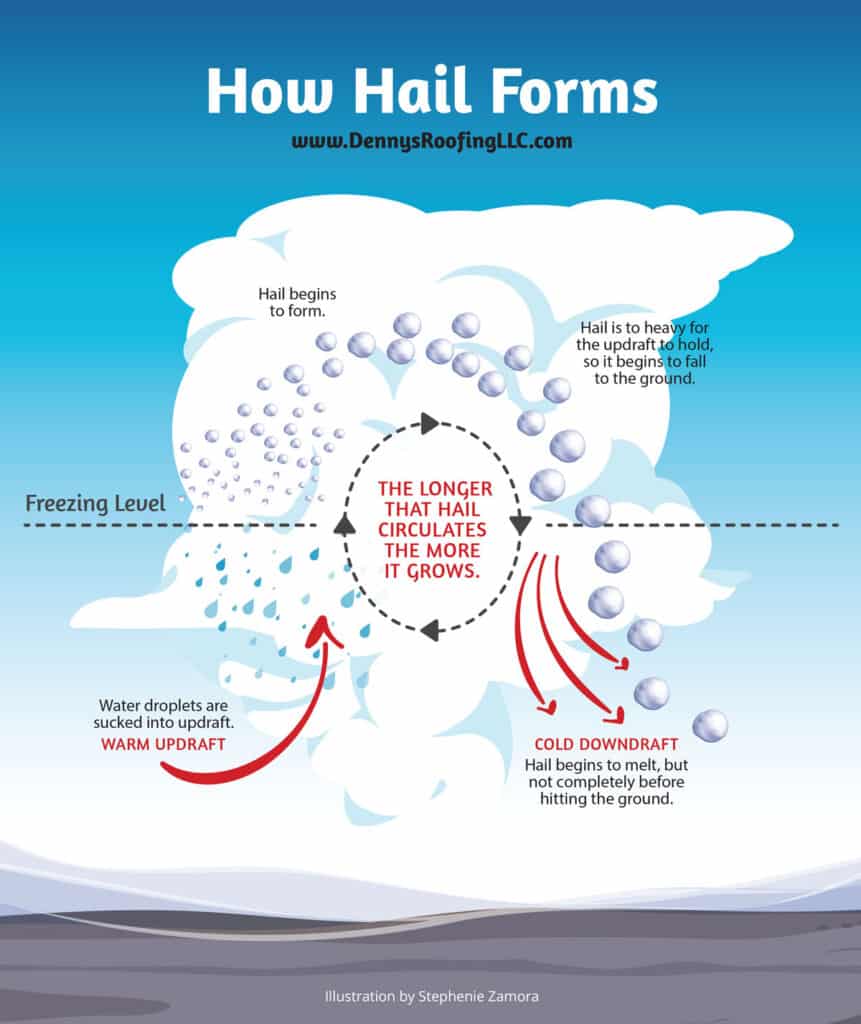
            This picture of a recent hailstone, taken by a storm chaser on May 26, illustrates the potential for roof damage. In 2025, near Afton, TX, about 70 miles east of Lubbock. It was about 6 inches across, about the size of a baseball cap!

            The Science of Destruction

            So, what would happen if a hailstone this size hit your roof? Let’s break it down, Hollywood-style.

            1. The Impact: More Than a “Boop”

            A 6 to 7-inch hailstone would hit your roof with the force of a meteorite—well, maybe not that strong, but close. Standard asphalt shingles, wood, or even metal roofs aren’t built to withstand that kind of impact.

            You’d likely see:

            • Gaping holes: The hailstone could punch straight through the shingles or tile, as well as the roof decking.
            • Shattered shingles: Asphalt shingles would be obliterated, leaving your roof exposed to potential roof damage.
            • Dented or punctured metal: Even metal roofs, which are more resistant to minor hail, would suffer serious dents or even punctures.
            • Damaged underlayment and insulation: The force would likely tear through the protective layers beneath your shingles, exposing your home to the elements. Additionally, if it came through your roof decking, it could break the flooring in the house, depending on the strength of your roof deck.

            Such force could cause physical harm to humans and animals. So you would have to “take cover.” Go down to your basement, huddle in a bathroom, protect yourself.

            2. The Aftermath: Not a Pretty Picture

            After the storm, you’d be left with a roof that looks like it’s been through a battle scene from The Avengers. Water would pour in, insulation would be soaked, and your attic would be more of a swimming pool than a storage space.

            • Leaks everywhere: Water would find every crack and hole, leading to interior damage.
            • Mold and mildew: Moisture trapped in your home can create a perfect environment for mold, especially if your roof has been damaged by hail.

            Structural damage from hail can severely compromise the integrity of your roofing system. In extreme cases, the force could even weaken the roof’s structure, making it unsafe.

            “But Wait, Does Hail Get That Big?”

            You might be thinking, “That sounds like something out of a disaster movie. Does hail get that big?” The answer is rarely, but yes, and when it does, the hailstone size can cause significant damage to the roof. The largest officially recorded hailstone in the United States was about 8 inches in diameter and weighed nearly 2 pounds. It fell in South Dakota in 2010. While Colorado hasn’t seen a hailstone quite that big, we do get our fair share of golf ball and baseball-sized hail, which is already plenty destructive.

            Back in August 2018, there was a storm in Colorado Springs that hit the Cheyenne Mountain Zoo, injuring 14 people, killing several of the birds at the zoo, and injuring a few others. It was a big hailstorm for Colorado. And some homes suffered significant damage, both inside and outside, near the zoo.

            So, while a 6 to 7-inch hailstone is rare in this area, it’s not impossible. And even if we don’t get hit by a hailstone that big, Colorado’s storms are famous for producing hail that’s large enough to cause severe damage, sometimes 2 or 3 inches or more, which is more than big enough to wreck your roof.

            What About Insurance and Repairs?

            Suppose your roof gets hit by hail, especially hail that big—you’re going to need a new roof—no ifs, ands, or buts. Most insurance policies in Colorado have specific provisions for hail damage. A storm that produces hail of that size would typically result in a total roof replacement.

            At Denny’s Roofing, LLC, we’ve seen our fair share of hail damage. We know how to work with insurance companies to ensure you receive the coverage you deserve. We’ll inspect your roof for storm damage, document the damage, and guide you through the claims process so you don’t have to deal with the headache alone.

            How to Protect Your Roof (Because You Can’t Control the Weather)

            While you can’t stop a hailstone the size of a baseball cap from falling, and it would be a rare occurrence, you can take steps to protect your roof and your home from our standard weather patterns:

            • Regular Inspections: Have your roof inspected by a professional at least once a year, especially after major storms or other severe weather events.
            • Quality Materials: The right materials are essential to withstand the impact of hail and prevent roof damage. Invest in high-quality roofing materials that are rated for hail resistance to minimize the impact of hail on your roofing system. We offer a complimentary Class 4 Impact Resistant upgrade if you currently have builder-grade shingles, helping to prevent roof hail damage.
            • Insurance Check-Up: Make sure your homeowner’s insurance policy covers hail damage and that you understand your deductible.
            • Prompt Repairs: If you notice any damage, have it fixed promptly to prevent further problems.

            The Denny’s Roofing, LLC Promise

            At Denny’s Roofing, LLC, we’re not just roofers—we’re your neighbors. We’ve been serving Colorado communities for years, and we know what it takes to keep your home safe from the most extreme weather conditions. Whether you’re dealing with a bit of hail or a once-in-a-lifetime mega-storm, we’re here to help.

            We offer:

            • Free inspections and estimates
            • Expert hail damage assessments can determine the extent of roof hail damage after a storm.
            • Insurance claim assistance
            • Quality repairs and replacements

            Other Related Questions We Received Related to Full Roof Replacement

            Q: What are the immediate effects of a 6-7 inch hailstone on a roof?

            A: A 6-7 inch hailstone can cause significant damage to a roof, including dents, cracks, and punctures. The severity of hail damage depends on the type of roof, with asphalt shingles and roof tiles being particularly vulnerable. Metal roofs may suffer from cosmetic damage, while flat roofs can experience punctures or tears.

            Q: How does the size of hail affect the extent of roof damage?

            A: The size of hail is directly related to the extent of damage it can cause. Large hail, such as 6-7 inch hailstones, is more likely to cause severe damage to roof shingles, roof tiles, and other components of the roofing system. Smaller hail may only result in minor or cosmetic damage.

            Q: What are the common signs of hail damage on a roof?

            A: Common signs of hail damage on a roof include dents or dimples in roof shingles, cracked or broken tiles, bruising on asphalt shingles, and damage to roof vents and flashing. A roof inspection can help identify these signs early and determine if repair or replacement is necessary.

            Q: Can a metal roof withstand large hailstones better than other types of roofs?

            A: Metal roofs are generally more durable and resistant to large hailstones compared to asphalt shingles or roof tiles. However, they may still suffer from cosmetic damage, such as dents, which typically do not affect the roof’s performance.

            Q: Is it necessary to replace your roof after a hailstorm?

            A: Whether you need to replace your roof after a hailstorm depends on the extent of the damage. A professional roof inspection can assess the damage to roof shingles and other components, helping you decide if a repair or a complete replacement is needed.

            Q: What type of roof is most susceptible to hail damage?

            A: Asphalt shingle roofs are most susceptible to hail damage due to their composition. Roof tiles can also be vulnerable, especially if they are older or already compromised. Metal roofs, while more resistant, can still suffer from cosmetic damage.

            Q: How can a roof inspection help after a hailstorm?

            A: A roof inspection can identify damage to roof components such as shingles, tiles, and vents. It can also assess the overall condition of the roofing system, helping you decide if damage repair or replacement is necessary. A free roof inspection can provide peace of mind and prevent further property damage.

            Q: What does hail damage look like on different types of roofs?

            A: Hail damage on roofs can vary depending on the type of roof. On asphalt shingles, it may appear as bruising or missing granules. On roof tiles, you might see cracks or chips. Metal roofs may show dents or dings. Each type of roof will exhibit specific signs of hail damage that require professional assessment.

            Q: How quickly should you address hail damage on a roof?

            A: It’s essential to address hail damage on a roof as soon as possible to prevent further deterioration and potential leaks. Prompt damage repair can help maintain the integrity of the roofing system and avoid more costly repairs or the need for a new roof.

            Q: What are the long-term effects of not repairing hail damage on a roof?

            A: Failing to repair hail damage on a roof can lead to long-term issues, including water leaks, mold growth, and structural damage. Over time, the damage can worsen, resulting in more extensive and costly repairs or even necessitating the replacement of the entire roof.

            The Bottom Line

            A 6 to 7-inch hailstone would turn your roof into Swiss cheese. While it’s rare to see hail that big, Colorado’s storms are no joke. Even minor hail can cause severe damage, so it’s important to stay vigilant and protect your home.

            If you’re worried about hail damage—or if you want to make sure your roof is ready for whatever Mother Nature throws at it—give Denny’s Roofing, LLC a call. We’ll ensure your roof is as resilient as Colorado itself.

            What Is the Difference Between 5 and 6 Inch Gutters?

            If you’re a Colorado homeowner, you already know our weather swings from “sunny and 75” to “hail the size of golf balls” in the blink of an eye. That’s why your gutters are more than just a decorative afterthought—they’re your home’s first line of defense against water damage, leaks, and soggy basements when we have heavy rain and hail.

            But when it comes to gutter size, should you opt for the classic 5-inch model or upgrade to the beefier 6-inch model? Let’s break it down: Stranger Things style: sometimes, size does matter.

            The Great Gutter Debate: 5-Inch vs. 6-Inch

            Picture this: you’re at your favorite coffee shop, and the barista asks if you want a medium or a large. You know the significant costs are a little more, but it means more caffeine and a lower chance of spilling all over your shirt. The same logic applies to gutters—except your “coffee” is rainwater, and the “spilling” is a flooded foundation.

            The Basics: What’s the Real Difference?

            At first glance, 5-inch and 6-inch gutters look almost identical. However, that extra inch makes a significant difference, much like upgrading from a sedan to an SUV.

            Here’s how they stack up:

            • Water Capacity: 5-inch gutters: suitable for moderate rainfall but may struggle during heavy storms. Hold about 1.2 gallons of water per linear foot.
            • 6-inch gutters: designed to handle a larger amount of water during heavy rainfall. Hold about 2 gallons per linear foot—nearly twice as much!

            Downspout Size:

            • 5-inch gutters: Usually paired with smaller (2”x3”) downspouts, which can slow water flow and increase clogging, especially in a seamless gutter system.
            • 6-inch gutters: Use larger downspouts (often 3” x 4”), allowing water to drain faster and reducing the likelihood of clogs.

            Maintenance:

            • 5-inch gutters: More prone to clogging and overflow, especially in heavy rain. Or when they become filled with organic material, such as leaves, twigs, granules, and other debris.
            • 6-inch gutters: Easier to clean (more room for your hand or tools), less likely to clog, and less overflow risk.

            Appearance:

            • 5-inch gutters: Standard, unobtrusive, and fit most homes.
            • 6-inch gutters: Look more robust and “pro,” covering more of your fascia board for a cleaner look with a seamless design.

            Why Does Gutter Size Matter in Colorado?

            Colorado’s weather is like a Netflix drama—full of plot twists. One minute, it’s sunny; the next, it’s pouring rain, and before you know it, there’s hail bouncing off your roof. That’s why choosing the right gutter size is crucial.

            The Waterworks

            When it rains hard (and it does, especially during our summer monsoons), your gutters need to handle a lot of water fast. If your gutters are too small, they’ll overflow, sending water down your siding, pooling around your foundation, and turning your yard into a swamp. Not exactly the look you’re going for, right?

            The Clog Factor

            Leaves, pine needles, and even the occasional rogue Frisbee can clog your gutters, making gutter guards a wise investment. Smaller gutters clog faster and are harder to clean. Six-inch gutters give you more room to reach in and clear out debris—think of it as the difference between cleaning a shot glass and a pint glass, especially when using gutter guards.

            The Overflow Effect

            When gutters overflow, water can seep under your roof, damage your fascia boards, and even leak into your home, making a larger gutter system essential. Six-inch gutters are less likely to overflow, even in a downpour, because they can hold more water and drain it faster.

            The Pros and Cons: 5-Inch vs. 6-Inch Gutters

            Let’s break it down like a rap battle: 5-inch vs. 6-inch, who’s got the flow?

            When Should You Choose 5-Inch Gutters?

            If your home is on the smaller side, your roof isn’t too steep, and you don’t get torrential downpours (or you have a lot of trees that drop leaves and needles), 5-inch gutters might be all you need. They’re a little easier to install, cost a bit less, and look just fine, doing the job on most homes.

            However, remember that if you have a large roof, a steep pitch, or live in an area with heavy rain or hail, 5-inch gutters may struggle to keep up.

            When Should You Upgrade to 6-Inch Gutters?

            If you’ve ever watched your gutters overflow during a storm or spent your weekends cleaning out clogs, it’s time to consider 6-inch gutters. Here’s when they’re the better choice: during heavy rainfall larger gutters can prevent overflow.

            • Large Roofs: More roofs = more water, especially when considering a larger gutter system. Six-inch gutters can handle the extra flow, making them ideal for homes with a steep roof pitch.
            • Steep Pitches: Water flows faster off steep roofs, so you need gutters that can keep up with the flow.
            • Heavy Rain or Hail: Colorado storms can dump a significant amount of water in a short period. Six-inch gutters are less likely to overflow.
            • Lots of Trees: If your yard is a leafy paradise, 6-inch gutters are easier to clean and less likely to clog

            The Denny’s Roofing Difference

            At Denny’s Roofing, LLC, we’re not just roofers—we’re your neighbors. We’ve been serving Colorado communities for years, and we know how to protect your home from whatever the weather throws at you. Whether you need new gutters, a roof inspection, or help with storm damage, we’ve got your back.

            We offer:

            • Free inspections and estimates
            • Expert advice on gutter size and style
            • Quality installation with top-notch materials
            • Help with insurance claims and storm damage

            We’ll walk you through your options, explain the pros and cons, and make sure you get the gutters that are right for your home, not just the ones that look good in a catalog.

            Other Related Questions We Received Related to Gutters

            Q: What are the main differences between 5-inch and 6-inch gutters?

            A: The main differences between 5-inch and 6-inch gutters are their capacity and size. 6-inch gutters can hold more water and are better suited for areas with heavy rainfall. They also reduce the risk of gutters overflowing during a rainstorm.

            Q: How do I decide whether to install 5-inch or 6-inch6-inch gutters?

            A: To decide between 5 or 6-inch gutters, consider the size of your roof, the amount of rainfall in your area, and your budget. Larger roofs and regions with heavy rain typically benefit from the larger size of 6-inch gutters.

            Q: What is the cost difference between 5-inch and 6-inch gutters?

            A: The cost difference between 5-inch and 6-inch gutters can vary, but generally, 6-inch gutters are more expensive due to their larger size and increased material requirements. The price difference can also depend on the type of material used, such as aluminum gutter options.

            Q: Are seamless gutters available in both five and 6-inch sizes?

            A: Yes, seamless gutters are available in both 5-inch, 6-inch, and 6-inch sizes. Seamless gutters are custom-made to fit the dimensions of your home, reducing leaks and maintenance needs.

            Q: How do 6-inch gutters handle heavy rainfall compared to 5-inch gutters?

            A: 6-inch gutters can handle heavy rainfall more effectively than 5-inch gutters. The larger size allows them to hold more water, reducing the risk of water overflowing the edge of the gutter during a heavier rainstorm.

            Q: Is there a significant price difference per foot between 5-inch and 6-inch6-inch gutters?

            A: There is typically a price difference per foot between 5- and 6-inch gutters, with the 6-inch options being slightly more expensive due to the additional material and increased capacity.

            Q: Why might a homeowner choose to upgrade to 6-inch gutters?

            A: A homeowner might choose to upgrade to 6-inch6-inch gutters if their current 5-inch5-inch gutters are overflowing if they have a larger roof, or if they live in an area with frequent heavy rainfall. The upgrade can help prevent water damage and improve the efficiency of the gutter system.

            Q: What are the benefits of installing larger gutters?

            A: The benefits of installing larger gutters, such as 6-inch gutters, include better water management during heavy rain, reduced risk of overflow, and improved protection for your home’s foundation and landscaping.

            Q: How do gutters and downspouts work together in a 6-inch system?

            A: In a 6-inch gutter system, the gutters collect and channel water from the roof to the downspouts, which then direct the water away from the foundation of the home. The larger size of the 6-inch gutters allows them to handle more water, making the system more efficient.

            The Bottom Line

            Choosing between 5-inch and 6-inch gutters is like picking between a regular and a large coffee: sometimes, a little extra capacity goes a long way. In Colorado, where the weather can change faster than a TikTok trend, it’s smart to invest in gutters that can handle whatever comes your way.

            If you are replacing your gutters after a hailstorm and have them covered by Insurance, it is worth discussing the upgrade with your project manager. It’s not always necessary, but when it is, it can be a lifesaver.

            If you’re unsure which size is right for your home, please contact Denny’s Roofing. We’ll help you make the best choice for your roof, your budget, and your peace of mind.

            Ready to upgrade your gutters? Call Denny’s Roofing today for a free estimate, and let’s keep your home dry, no matter what the weather brings!

            How a Poorly Ventilated Roof Kills the Life of Your Roof

            Picture this: your roof is like the lungs of your home. If it can’t “breathe,” it’s going to get sick—fast. And just like you wouldn’t want to live in a house with clogged lungs (or worse, your favorite streaming service buffering forever), your roof needs good airflow to stay healthy.

            In Colorado, where the weather swings from “I need sunscreen” to “Where’s my parka?” faster than you can say “Taylor’s latest album,” proper roof ventilation isn’t just nice to have—it’s a must. Here’s why a poorly ventilated roof system is inviting trouble for a long, destructive slumber party that can damage your roof shingles.

            The Roof’s Got a Secret (And It’s Not a Fun One)

            Let’s pull back the curtain. Most homeowners think the only thing between them and the wild blue yonder is a few layers of shingles and maybe some insulation. But your attic is a wild, untamed frontier where heat, moisture, and air currents battle it out—sometimes with disastrous results for your roof shingles without proper attic ventilation.

            If your roof is poorly ventilated, it’s like putting your house in a sauna and then turning off the fan. Things can get steamy, soggy, and downright unpleasant.

            What Happens When Your Roof Can’t Breathe?

            1. Moisture Builds Up Like a Netflix Queue

            Colorado’s weather is unpredictable—sunny one minute, snowing the next. When warm, moist air from inside your home rises into the attic and gets trapped (because, you guessed it, poor ventilation), it condenses on the underside of your roof. Over time, this moisture can lead to the growth of mold, mildew, and wood rot. Imagine your roof slowly turning into a science experiment, and not the kind that wins a ribbon at the fair.

            2. Ice Dams: The Winter Villains

            In Colorado, winter means snow, and snow means potential for ice dams—those pesky ridges of ice that form at the edge of your roof. Poor ventilation allows heat to escape through the roof, melting snow unevenly and potentially damaging your roof decking. The water refreezes at the eaves, creating ice dams that can tear off gutters, damage shingles, and even cause leaks inside your home. It’s like your roof is trying to host a winter carnival, but the only attraction is water damage.

            3. Premature Aging: Your Roof’s Midlife Crisis

            Heat trapped in your attic can bake your shingles from the inside out, causing them to curl, crack, and lose their protective powers. Think of it as your roof going through a midlife crisis—except instead of buying a sports car, it just starts cracking, leaking, and looking shabby due to a lack of proper attic ventilation.

            4. Energy Bills That’ll Make You Cry

            Poor ventilation means your attic gets hotter in the summer and colder in the winter, forcing your HVAC system to work overtime. Your energy bills will skyrocket faster than a viral TikTok trend if your attic ventilation is not maintained correctly. Who knew your roof could be such a diva?

            5. Mold & Mildew: The Uninvited Guests

            Moisture trapped in your attic is a VIP invitation for mold and mildew, which can compromise the integrity of your roof decking. These uninvited guests can spread to your living spaces, causing health problems and expensive cleanup bills. If your attic smells like a locker room, you’ve got a ventilation problem.

            The Science (and Magic) of Good Ventilation

            So, how do you keep your roof breathing easily? The secret is balance—just like a good playlist, you need the right mix of intake and exhaust.

            • Intake Vents (Soffit Vents): These are like the nostrils of your roof, allowing fresh air to enter from under the eaves.
            • Exhaust Vents (Ridge Vents, Gable Vents, Wind Turbines): These are the lungs, letting hot, moist air escape at the top of your roof.
            • Cold Roof Design: Especially important in Colorado’s mountain regions, this design allows air to flow from the eaves to the peak, preventing ice dams and moisture buildup.

            A well-ventilated roof helps maintain a consistent attic temperature, prevents ice dams, and prolongs the lifespan of your shingles. It’s like giving your roof system a spa day—every day, ensuring the longevity of your roof shingles.

            Colorado’s Climate: The Ultimate Test for Your Roof

            Colorado’s weather is like a reality TV show—unpredictable, dramatic, and full of plot twists that can affect your roof system. One day, it’s 80°F; the next, it’s snowing. Your roof needs to be ready for anything, and proper ventilation is its secret weapon.

            • Summer: Hot air gets trapped in your attic, baking your shingles and making your AC work harder.
            • Winter: Warm, moist air from your home rises into the attic and condenses, leading to ice dams and mold.
            • Spring & Fall: Temperature swings can cause condensation and moisture problems if your roof isn’t properly ventilated.

            How to Tell if Your Roof is Suffocating

            Here are some telltale signs your roof is gasping for air:

            • Ice dams in winter can form due to inadequate attic ventilation, resulting in significant roof damage.
            • Peeling paint or warped siding
            • Mold or mildew in the attic can significantly shorten the life of your roof.
            • High energy bills can result from inadequate ventilation in your roof system.
            • Curling or cracked shingles
            • Unusually hot or cold rooms
            • Musty odors in your home

            If you’re experiencing any of these, your roof might be sending out an SOS.

            The Denny’s Roofing, LLC Difference

            At Denny’s Roofing, LLC, we’re not just roofers—we’re roof whisperers. We know Colorado’s climate inside and out, and we’re experts at diagnosing and fixing ventilation problems. Here’s what sets us apart:

            • Local Experience: We’ve been serving Colorado communities for years, so we know exactly what your roof is up against.
            • Free Inspections: We’ll check your roof and attic for ventilation issues—no pressure, just honest advice.
            • Custom Solutions: Whether you need ridge vents, soffit vents, or a complete ventilation overhaul, we’ve got you covered.
            • Customer Focus: We treat your home like our own, with clear communication and top-notch service to ensure the health of your roof system.

            How to give your roof the breath of life:

            • Schedule a Free Inspection: Let us check your attic and roof for ventilation issues.
            • Upgrade Your Vents: If needed, we’ll install or upgrade your intake and exhaust vents.
            • Maintain Regularly: Keep your vents clear of debris and inspect your ventilation system twice a year—spring and fall are ideal times for maintaining proper attic conditions.
            • Watch for Warning Signs: If you notice any red flags, call us before minor problems become big headaches.

            Other Related Questions We Received Related to Poor Roof Ventilation

            Q: How does improper attic ventilation affect the life of the roof?

            A: Improper attic ventilation can cause heat and moisture to accumulate, leading to moisture damage and a weakened roof structure, which can prematurely shorten the roof’s lifespan.

            Q: What role does roof ventilation play in extending the life of your roof?

            A: Roof ventilation helps extend the life of the roof by allowing fresh air into the attic, reducing heat buildup and moisture accumulation, and preserving the integrity of roofing materials, such as asphalt shingles.

            Q: How can heat and humidity impact the roof system?

            A: Heat and humidity trapped near the roof can cause damage to the roofing materials and the underside of the roof sheathing, leading to potential moisture damage and weakening of the roof structure.

            Q: Why is attic insulation important for roof ventilation?

            A: Attic insulation works in conjunction with roof ventilation to regulate temperature and prevent heat and moisture from damaging the roof structure, thereby extending the roof’s lifespan.

            Q: What are the signs of inadequate roof ventilation?

            A: Signs of inadequate roof ventilation include excessive heat in the attic, condensation, mold growth, uneven snow on the roof, and increased energy bills.

            Q: How do roofing professionals inspect your roof for ventilation issues?

            A: Roofing professionals inspect your roof by checking the attic airflow, assessing the condition of roof vents, and looking for signs of moisture damage or heat buildup.

            Q: What is the role of a roofing contractor in ensuring proper roof ventilation?

            A: A roofing contractor ensures proper roof ventilation by installing an adequate roof ventilation system, such as roof vents or a new ridge vent, and advising on necessary repairs or upgrades.

            Q: How does moisture damage affect the life of the roof?

            A: Moisture damage can deteriorate the roof structure, cause mold and mildew, and lead to costly repairs, ultimately reducing the roof’s lifespan.

            Q: What are some standard solutions for improving roof ventilation?

            A: Common solutions for improving roof ventilation include installing roof vents, ensuring proper attic airflow, and consulting with a roofing company to address any ventilation issues.

            Q: How can a roofing inspector help maintain the life of your roof?

            A: A roofing inspector can help maintain the life of your roof by identifying ventilation problems, recommending necessary adjustments, and ensuring that the roof system functions efficiently.

            The Bottom Line

            A poorly ventilated roof is like a marathon runner with a stuffy nose—it just can’t perform at its best. In Colorado’s mild climate, proper ventilation is crucial for a long, healthy roof life. Don’t let your roof suffocate in silence. Give it the airflow it deserves—and save yourself from costly repairs, high energy bills, and moldy surprises.

            At Denny’s Roofing, LLC, we’re here to help your roof breathe easy so you can relax and enjoy your Colorado home—no matter what the weather throws at you.

            Ready to give your roof the gift of fresh air? Call Denny’s Roofing, LLC today for a free inspection, and let’s keep your roof healthy, happy, and leak-free!

              The Biggest Myth About Shingles and Their Underlayment – Why the Underlayment Is the Bedrock to Leak-Free Roofing

              🎬 Opening Scene: The Shingle Showdown

              Imagine this: a roofer who understands the importance of ventilation and insulation in your roofing system. You’re binge-watching your favorite home improvement show, and the host is raving about the latest shingle, tile, or metal roof styles. He’s discussing the colors, textures, hail resistance, and even eco-friendly options.

              Shingles are the stars of the roofing world, flaunting their curb appeal and stealing the spotlight. But here’s the plot twist: beneath those glamorous shingles lies the unsung hero of your roof—the underlayment. The shingles, tile, or metal roofing material that you see from your curb is the cherry on top of what keeps your house dry and not a soggy mess.

              And most, if not all, homeowners are unaware of it.

              At Denny’s Roofing, LLC, we believe it’s time to give underlayment its moment in the sun (and rain and snow). We’re here to debunk the myth that shingles alone are the key to a leak-free roof.

              Spoiler alert: without a solid underlayment, your shingles are like a superhero without their suit—vulnerable and exposed.

              🕵️‍♂️ Myth Busted: Shingles Alone Can’t Save the Day

              Let’s set the record straight. Shingles are essential—they protect your home from extreme weather elements and add aesthetic appeal —but they must be complemented with proper ventilation. But relying solely on asphalt shingles to keep your home dry is like expecting a raincoat to keep you warm in a blizzard; proper underlayment is key. Without the proper layers underneath, you’re in for a soggy surprise.

              The underlayment is the critical layer between your shingles, as well as tile and metal roofing, and your roof deck. It acts as a secondary and significant weather barrier against water infiltration, especially during Colorado’s unpredictable weather conditions. Think of it as the unsung sidekick that ensures your roof’s longevity and performance.

              Underlayment: The Foundation of a Leak-Free Roof

              1. Water Resistance is significantly enhanced with the right combination of underlayment and insulation.

              Underlayment provides what we consider the MAIN layer of protection against water intrusion. If shingles are damaged or blown off during a storm, the underlayment helps prevent water from seeping into your home. Interesting fact: If you have your roof what we refer to as being properly “dried-in,” meaning it has an adequate layer of underlayment but no shingles, tiles, or metal, it can withstand rain and water intrusion for about 6 to 9 months on its own.

              The shingles, tiles, and/or metal roof covering, along with proper insulation, protect the roof from extreme weather elements such as snow, hail, high winds, monsoon rains, and similar conditions. The shingles also protect it from the harsh UV rays of the summer heat. It keeps the underlayment from deteriorating prematurely.

              2. Weather Protection is crucial for any new roof installation.

              Colorado’s climate can be harsh, with heavy snowfall, hailstorms, and intense UV exposure, making proper insulation and ventilation essential. A high-quality underlayment shields your roof deck from these elements, reducing the risk of leaks and structural damage.

              3. Fire Resistance

              Some underlayment materials offer fire-resistant properties, providing an added layer of safety for your home. This is particularly important in areas prone to wildfires.

              4. Improved Longevity

              By protecting the roof deck from moisture and other damaging elements, underlayment extends the life of your entire roofing system. It’s an investment in the long-term health of your home.

              🛠️ Denny’s Roofing: Your Underlayment Experts

              At Denny’s Roofing, LLC, we don’t just slap on a roof covering like asphalt shingles and call it a day; we ensure proper installation for maximum durability and long-term performance. We understand that a durable, leak-free roof starts with a high-quality underlayment. Our team of experienced professionals ensures that every layer of your roof is installed with precision and care.

              We offer a range of underlayment options tailored to your specific needs and budget, ensuring your new roof is built to last. Whether you’re dealing with a flat roof, a steep slope, or anything in between, we’ve got you covered—literally.

              Serving Longmont and Beyond

              Based in Longmont, Colorado, Denny’s Roofing, LLC is proud to serve homeowners and businesses throughout the entire Front Range, as well as select mountain communities. Our commitment to quality artistry and customer satisfaction has earned us a reputation as one of the top roofing contractors in the area.

              Don’t just take our word for it—our satisfied customers speak volumes:

              “Denny’s Roofing replaced our roof after a hailstorm, and we couldn’t be happier. The team was professional and efficient, and the quality of work was outstanding.”

              — Sarah M., Longmont, CO

              📞 Ready to Protect Your Home?

              If you’re considering a roof replacement or repair, don’t overlook the importance of underlayment, especially when common roofing myths surround its necessity. Contact Denny’s Roofing, LLC today for a free inspection and estimate. Our experts will assess your current roofing system and recommend the best underlayment options to ensure your home stays dry and protected for years to come.

              📍 Address: 2130 Main St Suite #14B, Longmont, CO 80501
              📞 Phone: (970) 275-4012

              Other Related Questions We Received Related to Myths About Roofing

              Q: What is the biggest misconception about roofing underlayment?

              A: A common misconception is that roofing underlayment is not as important as the shingles themselves. In reality, the underlayment acts as a crucial barrier against leaks and is essential for the longevity and effectiveness of your roof.

              Q: How does roofing underlayment contribute to energy efficiency?

              A: Roofing underlayment can enhance energy efficiency by providing an additional layer of insulation, which helps regulate attic temperatures and potentially reduces energy bills.

              Q: Why is it a myth that all asphalt shingles are created equal?

              A: Not all asphalt shingles are created equal; they vary in quality, durability, and energy efficiency. Selecting the right type for your specific climate and roofing needs is crucial for achieving optimal performance.

              Q: Can you install a new layer of shingles over old ones?

              A: While it is possible to install a new layer of shingles over existing ones, it is generally not recommended. This practice can lead to improper installation and added weight and may conceal underlying damage to your roof.

              Q: How does improper installation of roofing materials affect the life of your roof?

              A: Improper installation can lead to leaks, reduced energy efficiency, and premature wear, ultimately shortening the life of your roof and necessitating more frequent roof repairs.

              Q: What role does roof ventilation play in maintaining your roof?

              A: Proper roof ventilation is crucial in preventing heat and moisture buildup in the attic, which can lead to higher energy bills and damage to your roof over time.

              Q: Is the color of your shingles important for energy efficiency?

              A: Yes, the color of your shingles can impact energy efficiency. Lighter-colored shingles reflect more sunlight, helping to keep your roof and attic cooler, which can reduce energy bills.

              Q: How often should you perform a roof inspection?

              A: It is recommended to inspect your roof at least once a year and after major storms to identify and address any potential issues promptly, thereby preventing costly roof repairs.

              Q: What are some common myths about roofing that homeowners should be aware of?

              A: Common myths include the belief that all roofing materials are created equal, that new shingles alone can solve all roofing problems, and that roof repairs are only necessary when leaks are visible.

              Q: Why is it essential to replace your roof rather than just adding a new layer of shingles?

              A: Replacing your roof ensures that any underlying issues are addressed, provides an opportunity to upgrade insulation and ventilation, and ultimately extends the life of your roof, improving energy efficiency and reducing long-term costs.

              🧠 Final Thoughts: Don’t Underestimate Underlayment

              In the world of roofing, “underlayment” may not be the most glamorous component, mainly because it’s totally out of sight. Still, it’s undoubtedly one of the most crucial in debunking common myths. Think of it as the foundation that supports the entire structure of your roof.

              At Denny’s Roofing, LLC, we’re committed to educating our clients and providing top-notch roofing solutions. Remember, a beautiful roof starts from the bottom up.

              So, the next time you admire a home’s stunning shingles, take a moment to appreciate the underlayment working tirelessly beneath the surface. After all, it’s the bedrock of a leak-free roof.

              Denny’s Roofing, LLC – Building Strong Roofs and Stronger Communities

                Why Denny’s Roofing is the Best Choice for a Full Roof Replacement—and What Makes Them Different Than Other Roofing Companies

                Spoiler alert: It’s not just the free estimates (though those are pretty sweet, too).

                Let’s face it—living in Colorado means your roof takes a beating. Between hailstorms that sound like Thor’s having a tantrum and winds that could give Dorothy a run for her money, your roof needs to be as rugged as a mountain goat in hiking boots.

                That’s where Denny’s Roofing comes in as your trusted roofing expert. We’re not just another roofing company; we’re your neighbors, your fellow Coloradans, and your go-to team for turning “Oh no!” into “Oh wow!”

                🛠️ What Sets Denny’s Roofing Apart?

                1. We’re Local Legends (In the Best Way)

                Based in Longmont, with additional locations in Windsor and Loveland, Denny’s Roofing is as Colorado as craft beer and ski passes. We are familiar with local building codes, the unique characteristics of Colorado weather, and the best materials to withstand both.

                2. 5-Star Service That’s 5-Star

                With over 245 glowing reviews on platforms like Birdeye and a BuildZoom score of 113 (placing us in the top 3% of contractors in Colorado), our reputation speaks for itself. Our clients rave about our professionalism, efficiency, and attention to detail.

                3. We Handle the Insurance Hassle

                Dealing with insurance claims can feel like navigating a maze with a blindfold on. Our team specializes in storm damage and insurance claims, ensuring you get the coverage you deserve without the headache.

                4. Freebies Galore

                Who doesn’t love free stuff? We offer:

                • Free Roof Inspections: We’ll assess your roof’s condition and identify any issues.
                • Free Estimates: No surprises here—just transparent pricing.
                • Free Class IV Shingle Upgrades: Enhance your roof’s durability at no extra cost.
                • Free Roof Certifications: Ideal for buyers or sellers seeking that extra assurance.

                We’re Not Just Roofers; We’re Home Improvement Heroes

                Beyond roofing, we offer a suite of services to keep your home in top shape:

                • Gutter Installation
                • Ridge Vent and Deck Intake Installation
                • Windows and Siding Repairs & Installations
                • Painting Bids

                🏡 Residential & Commercial Roofing Done Right

                Whether you’re a homeowner needing a complete roof replacement or a business owner looking to protect your investment, we’ve got you covered—literally.

                Residential Roofing: From asphalt shingles to tile and metal roofs, we provide durable, aesthetically pleasing solutions tailored to your home’s needs.

                Commercial Roofing: We understand the unique challenges of commercial properties’ flat roofing and offer solutions that minimize disruption to your operations while maximizing protection.

                🌟 Our Promise: The Denny’s Roofing 5-Star Service Guarantee

                We’re so confident in our work that we offer a 5-star Service Guarantee.

                That means:

                • Quality Workmanship: Our team is trained, experienced, and meticulous in all aspects of your job, ensuring thorough attention to detail.
                • Transparent Communication: We keep you informed every step of the way, maybe to a fault. We want you to have a clear understanding of the process and timing of your project at all times.
                • Timely Completion: We respect your time and stick to our schedules. Things happen, and we do our best to ensure the roofing services are completed on time.
                • Clean Worksites: We leave your property as clean as we found it or better.
                • Customer Satisfaction: Your happiness is our success metric, and we strive to achieve it through our comprehensive roofing services.

                🧰 The Denny’s Roofing Process: What to Expect

                • Initial Contact: Reach out to us via phone, email, or our Website to schedule your complimentary inspection.
                • Inspection & Estimate: We conduct a thorough assessment of your roof and provide a detailed inspection report along with an accurate estimate.
                • Insurance Assistance: If applicable, we guide you through the insurance claim process and handle most of the paperwork, allowing you to focus on the details. We walk you through the entire process step by step.
                • Project Execution: Our skilled team completes the work efficiently and professionally. You will receive a 5-star experience.
                • Final Walkthrough: When We Are Done…We ensure that you’ll be satisfied with the results, and we are committed to addressing any concerns and making things right.

                📍 Serving the Colorado Front Range

                Our Main service areas include:

                • Longmont/Loveland/Berthoud/Mead
                • Ft Collins/Windsor/Severance/Wellington/Greeley
                • Boulder/Louisville/Lafayette/Superior
                • Entire Denver Metro Area/Wheat Ridge/Lakewood/Golden
                • Parker/Castle Rock/Highlands Ranch/Littleton
                • Evergreen/Idaho Springs and the Foothills of the Mountains. communities

                No matter where you are along the Front Range, Denny’s Roofing is ready to bring top-tier roofing solutions to your doorstep.

                🎯 Why Choose Denny’s Roofing?

                • Local Expertise: We understand Colorado’s unique climate and building requirements.
                • Comprehensive Services: From inspections to full replacements, our roofing contractors do it all with expertise and care.
                • Customer-Centric Approach: Your satisfaction is our top priority, especially when it comes to roof installation and repair.
                • Proven Track Record: Our reviews and ratings speak volumes about Denny’s Roofing’s commitment to quality roofing services.

                Other Related Questions We Received Related to Roof Repair and Having a New Roof

                Q: Why should I choose Denny’s Roofing for a complete roof replacement?

                A: Denny’s Roofing stands out due to its commitment to quality and customer satisfaction. They offer a comprehensive roof replacement process that ensures your home is protected from start to finish. Their roofing team is experienced and uses only the best roofing materials to meet your needs.

                Q: What makes Denny’s Roofing different from other roofing companies?

                A: Denny’s Roofing is known for its company’s 5-star reputation and dedication to providing roofing you can trust. They offer personalized Service, free roof estimates, and insurance claim assistance to make the process as smooth as possible for their clients.

                Q: Does Denny’s Roofing provide services for both residential and commercial properties?

                A: Yes, Denny’s Roofing offers services for both residential and commercial properties. They are equipped to handle a variety of roofing needs, from shingle roofs to flat roofs, ensuring that all exterior needs are met with professionalism and expertise.

                Q: What types of roofing materials does Denny’s Roofing use?

                A: Denny’s Roofing uses a variety of high-quality roofing materials, including asphalt shingle roofs, to provide a durable and reliable defense against the elements. Their roofing experts will help you choose the best materials to protect your home.

                Q: Does Denny’s Roofing offer an artistry warranty?

                A: Yes, Denny’s Roofing offers an artistry warranty to ensure that their work meets the highest standards. This warranty provides peace of mind that your roof replacement will be completed with care and precision.

                Q: How does Denny’s Roofing handle insurance claim assistance?

                A: Denny’s Roofing provides comprehensive insurance claim assistance to help you navigate the complexities of filing a claim for roof damage. They work closely with you and your insurance company to ensure a smooth and efficient process.

                Q: What should I expect during the roof replacement process with Denny’s Roofing?

                A: The roof replacement process with Denny’s Roofing is thorough and customer-focused. From the initial free roof inspection to the final installation, their roofing team ensures that each step is completed to meet your needs and protect your home.

                Q: Does Denny’s Roofing operate in the Colorado Front Range area?

                A: Yes, Denny’s Roofing serves the Colorado Front Range area, providing premier roofing services to protect homes and businesses from the region’s unique weather challenges, including hail and other elements.

                Q: Can Denny’s Roofing help with a hail-damaged roof?

                A: Absolutely; Denny’s Roofing is experienced in handling hail-damaged roofs. They offer free roof inspections to assess the extent of the damage and provide expert recommendations for repair or replacement.

                Q: What is included in Denny’s Roofing’s free roof estimates?

                A: Denny’s Roofing’s free roof estimates include a detailed assessment of your roofing needs, potential costs, and recommendations for materials and services. This ensures that you have all the necessary information to make an informed decision about your roof replacement.

                📞 Ready to Elevate Your Roof?

                Don’t wait for the next hailstorm to test your roof’s limits. Contact Denny’s Roofing today for your free inspection and estimate.

                📍 Longmont Office: 2330 Main St Ste D, Longmont, CO 80501
                📍 Windsor Office: 220 Turnberry Dr, Windsor, CO 80550
                📍 Loveland Office: 1401 S Taft Ave #102, Loveland, CO 80537

                Call us today: 970-275-4012

                Let’s make your roof the MVP of your home. 🏆

                Remember, when it comes to roofing in Colorado, Denny’s Roofing is not just a choice—it’s the best choice.

                  Learning From Mistakes: Common Roofing Errors and How to Fix Them (Without Losing Your Shingles)

                  Let’s face it: roof problems can arise unexpectedly. We’ve all made some bad decisions.

                  Maybe you trusted a “budget roofer” who showed up in a minivan with a ladder tied to the roof using duct tape. Or perhaps you tried a little DIY action after watching two YouTube videos and thought, “How hard can it be?”

                  Spoiler alert: It may require replacing damaged shingles. It can be hard. Especially when it comes to your roof, the literal crown of your castle, is your asphalt shingle roof. So let’s talk about the most common roofing mistakes, how to avoid them, and how to maintain your asphalt shingle roof. Denny’s Roofing—your friendly, local Colorado roofing company—can swoop in to save the day.

                  Why Roofing Mistakes Matter in Colorado (More Than You Think)

                  Colorado roofs take a beating. Hailstorms, snow dumps, chinook winds that feel like Mother Nature’s hairdryer—all while your roof sits there, quietly doing its job.

                  Until it doesn’t.

                  Ignoring roofing issues or making common mistakes can lead to:

                  • Water damage
                  • Mold (the kind of green you don’t want in your home)
                  • Decreased resale value
                  • Higher energy bills can result from an inefficient roof system.
                  • Insurance nightmares

                  But fear not—we’re here to educate, not shame. Let’s dive into the Top roofing errors that can compromise your roof system. We see all over Colorado, and what you can do to fix (or avoid) them.

                  1. DIY Roofing (a.k.a. The “Hold My Beer” Approach)

                  We get it. You’re handy. You’ve watched Home Improvement. You’ve got a ladder. But roofing is not the place to practice your “can-do” attitude.

                  Common DIY roofing disasters include:

                  • Misaligned or improperly nailed shingles can lead to significant roof problems.
                  • Poor flashing installation
                  • Using the wrong materials
                  • Falling off the roof (seriously—don’t)

                  The Fix: Inspect for any roof penetration that could lead to leaks.

                  Call in the professionals. Inspecting your gutters is essential at the first sign of roof leaks. Denny’s Roofing, we’re fully licensed and insured, and our crew has seen it all. Save your Saturdays for hiking, not wrestling with a nail gun or dealing with roofing material issues.

                  2. Ignoring Roof Flashing (It’s Not Just a Fancy Accessory)

                  Flashing isn’t glamorous, but it’s one of the most essential parts of your roof. The metal (or rubber) seals joints and edges—think chimneys, skylights, valleys, vents. When it’s damaged or poorly installed, water gets in. And once water’s in, it’s party time for mold and rot.

                  Colorado flashing fail alert: After a hailstorm, many homeowners look at shingles but forget to check flashing. It’s like brushing your teeth but skipping floss—a bad idea long-term.

                  The Fix: After every major weather event, get a free roof inspection from your trusted Colorado roofer (hi, that’s us—Your Friendly Neighborhood Roofing Pro). We’ll check your flashing and make sure your roof is watertight, windtight, and wildlife-tight.

                  3. Ventilation? What’s That?

                  Roof ventilation sounds boring, too.

                  But poor airflow in your attic can mean:

                  • Trapped heat and moisture
                  • Condensation
                  • Mold growth
                  • Ice dams in winter
                  • Roof rot (yes, it’s a thing) often results from clogged gutters. It’s like trying to run a marathon in a snowsuit, especially with damaged shingles. Your roof needs to breathe.

                  The Fix: Modern roof ventilation systems can extend your roof’s life and lower energy bills. We’ll assess your current setup and recommend upgrades, especially important for older homes or homes that have been “patched” instead of properly reroofed.

                  4. Going With the Cheapest Roofer (You Get What You Pay For)

                  We know everyone’s trying to save money, but hiring the cheapest roofer on Craigslist is like going to a gas station sushi bar and expecting it to end well.

                  Common signs of cut-rate roofing jobs:

                  • Uneven shingle lines
                  • No permits or warranties can lead to improper installation of your new roof.
                  • Cheap underlayment that deteriorates quickly or worse. None.
                  • “Storm chasers” that disappear after the 1st Check clears – Ouch, that’s the cost of a new roof deck!
                  • Bad installs

                  The Fix: Hire a roofing contractor to address roof problems effectively. Local. Hire licensed. Hire reliable. Hire a 5-star. At Denny’s Roofing, we’re proud to be a Colorado-based company here before, during, and after the storm. We do the job right and stand by our work with solid warranties.

                  5. Not Getting a Roof Inspection After a Storm

                  Ah, Colorado. One minute it’s sunny, the next, it’s hailing golf balls, which can damage your asphalt shingle roof. Even if your roof looks deceiving, always inspect for hidden damage. After a storm, hail and wind can cause hidden damage that is often traced back to poor gutter maintenance, such as shingle cracks, bruised underlayment, and loosened flashing. Most of the time, you can’t see it from the ground. You need a trained eye.

                  If you wait until the leak shows up, it’s often too late.

                  The Fix: Call us for a free storm damage inspection. We know what to look for, how to work with insurance companies, and we’ll give you honest feedback (no “sell-you-a-roof-you-don’t-need” nonsense).

                  6. Delaying Roof Replacement When It’s Time

                  If your roof is older than the first Fast and the Furious and in disrepair, it might be time to say goodbye to your old roofing material.

                  Old roofs:

                  • Are less energy-efficient
                  • Look bad (hello, curb appeal)
                  • Won’t hold up to Colorado’s wild weather
                  • It can kill your resale value and lead to leaks.
                  • Leak: a common problem that can lead to significant damage.

                  The Fix: We’ll help you decide whether you need a complete replacement or just some smart repairs to buy you more time, especially if there are signs of roof leaks. Either way, we’ll work within your budget and give you transparent, pressure-free guidance.

                  Let’s Turn Roofing Regrets into Roofing Results

                  Whether you’re dealing with a DIY mishap, storm damage, or just a roof living in the past, Denny’s Roofing is here to help. We’re not just local roofers—educators, neighbors, and roofing nerds who love our work.

                  Our promise to you:

                  ✅ Honest inspections
                  ✅ Affordable, high-quality repairs and replacements
                  ✅ Help with insurance claims
                  ✅ Friendly service from Coloradans who understand the weather and the importance of a reliable roof system.
                  ✅ No B.S.

                  Other Related Questions We Received Related to Quality Roofing

                  Q: What common roofing mistakes do homeowners make with asphalt shingle roofs?

                  A: Common roofing mistakes with asphalt shingle roofs include improper installation, inadequate roof underlayment, incorrect shingle overhang, and failing to install a drip edge. These errors can lead to leaks, water damage, and premature roof failure.

                  Q: How can improper shingle overhang cause roof problems?

                  A: Improper shingle overhang can cause roof problems by allowing water to seep under the shingles, leading to leaks and water damage. It can also expose your roof to high winds, which may lift the shingles and cause roof failure.

                  Q: Why is roof underlayment necessary in shingle roofing?

                  A: Roof underlayment is crucial in shingle roofing, providing additional protection against water infiltration. It helps prevent leaks and protects your home from water damage, especially during heavy rain or when shingles are damaged.

                  Q: What are the consequences of poor ventilation in the attic?

                  A: Poor ventilation in the attic can lead to moisture buildup, which may cause mold growth, damage roof shingles, and reduce the effectiveness of insulation. It can also increase the risk of costly repairs and shorten the lifespan of your roof.

                  Q: How can clogged gutters lead to roof issues?

                  A: Clogged gutters can cause water to back up and overflow, damaging the roof and fascia. This can result in leaks and damage to the roofing material, making the roof vulnerable to further issues.

                  Q: What signs indicate it’s time to replace shingles on your roof?

                  A: Signs that it’s time to replace shingles include curled, cracked, or missing shingles, granule loss, water stains on ceilings, and frequent leaks. If you notice these signs, consider a complete roof replacement or consult a professional roofing contractor.

                  Q: How does installing a drip edge help protect your roof?

                  A: Installing a drip edge helps protect your roof by directing water away from the edge and into the gutters. This prevents water from seeping under the shingles and causing damage to the roof and fascia.

                  Q: What are the risks of roofing over existing shingles?

                  A: Roofing over existing shingles can lead to several problems, including added weight that may stress the roof structure, difficulty in identifying underlying issues, and reduced lifespan of the new shingles. It is often better to remove old shingles before installing new ones.

                  Q: Why is it essential to inspect your roof regularly?

                  A: Regular roof inspections help identify potential issues early, such as damaged shingles, leaks, or poor ventilation. Addressing these problems promptly can prevent costly repairs and extend the lifespan of your roof.

                  Q: When should a homeowner consult a professional roofing contractor?

                  A: Homeowners should consult a professional roofing contractor when facing complex roof issues, such as extensive damage, frequent leaks, or planning a complete replacement. Experienced roofing contractors have the expertise to ensure proper roof installation and maintenance.

                  Final Thoughts (A.K.A. The “Don’t Let This Be You” Section)

                  Don’t wait for water to start dripping on your Xbox before you take action. Whether prepping for resale, recovering from a storm, or fixing past roofing mistakes, your roof deserves some love and new shingles.
                  Denny’s Roofing is here for all your Colorado roofing needs.

                  Need a free inspection for your asphalt shingle roof? We’ve got you.

                  Are you unsure if you need repairs or replacement? We’ll help you decide whether you need new shingles or smart maintenance.

                  Want to work with someone local who shows up on time? We are here to inspect and repair your roof.

                  Contact Denny’s Roofing today for your free roof inspection and let’s get your home back in top shape—before the next Colorado storm rolls through like it’s auditioning for a disaster movie. Because mistakes happen, but your roof shouldn’t be one of them.

                    Storms, Flashing, and Roof Drama: What Happens When Your Roof Flashing Takes a Hit

                    It’s not just metal. It’s the equivalent of a superhero’s cape on your roof.

                    Ah, Colorado. The land of sunshine, snowstorms, sideways hail, and the kind of winds that could steal your trash can and launch it into Kansas. It’s part of the charm.

                    But here’s the un-fun part of living along the beautiful but unpredictable Colorado Front Range: storm damage to your home is a rite of passage. And one of the most sneaky yet serious problems that can arise after a storm is something most homeowners hardly think about…

                    Damaged roof flashing.

                    Before your eyes glaze over and you look for that article on the top 10 Yellowstone theories (we get it), stick with us—because this little strip of metal is doing much more work than it gets credit for. And if it’s damaged, your whole roof could be in trouble, leading to costly replacement.

                    Let’s break it down.

                    🚨 First Off: What Is Roof Flashing, Anyway?

                    Roof flashing is like the unsung hero of your roof. It’s the thin metal (usually aluminum, galvanized steel, or copper) installed around:

                    • Chimneys
                    • Skylights
                    • Swamp Coolers
                    • Headwalls
                    • Slope Changes
                    • Vents
                    • Roof valleys
                    • Edges and junctions—anywhere two surfaces meet—are critical for roof leaks, so check them carefully.
                    • Eaves and Rakes

                    Think of it like the weatherproof duct tape on your roof—but more sophisticated and waterproof. It directs water away from seams, edges, and vulnerable areas and into your gutters, where it belongs.
                    If shingles are your roof’s armor, flashing is the shield that protects the gaps.

                    💥 So… What Happens to Flashing During a Storm?

                    Let’s say a big Colorado storm rolls through—classic mix of wind, rain, hail, snow (because why not all four?). Your flashing, usually tucked neatly under shingles or siding, can suffer all sorts of storm-related abuse:

                    • Lifted or bent flashing from high winds
                    • Cracked sealant due to hail impact or debris
                    • Rust or corrosion can lead to significant issues with your roofing system, from trapped water
                    • Dislodged pieces—blown off the roof like Dorothy in a tornado

                    And once flashing is compromised? It’s game over, water damage edition.

                    🏚️ What Happens If Damaged Flashing Goes Ignored?

                    Ignoring damaged roof flashing is like ignoring the check engine light on your car: it may seem fine now… until it leads to roof leaks.

                    Here’s what you might be facing if damaged flashing isn’t addressed quickly:

                    1. Water Leaks Inside Your Home

                    Even a tiny breach in flashing can let water in, leading to significant roof leaks. At first, these are not dramatic puddles—they are more like slow, sneaky moisture that seeps into your attic, walls, and ceilings. Dribbling over time can create a big mess.

                    Before you know it, you’re spotting mystery stains on your ceiling or even sniffing around for that “uh-oh, is that mold?” smell.

                    2. Mold & Mildew Growth

                    Moisture is mold’s BFF. Once it starts growing, you’re not just talking about roof repairs anymore—you’re talking remediation, health risks, and possibly a house that smells like your high school gym locker room.

                    Consider consulting a roofer for a comprehensive inspection.

                    3. Rotting Wood and Structural Damage

                    That drip-drip-drip you don’t see? It’s quietly soaking into your decking, rafters, and support beams. Give it time, and your attic could go from sturdy to spongy.

                    4. Pest Invasions

                    Tiny gaps left by lifted flashing are welcome mats for insects and critters. Everyone loves a warm, damp entry point for squirrels, bats, and wasps. Don’t be the Airbnb for the animal kingdom; ensure your roof is secure from potential roof leaks. Dealing with that is a whole other blog post.

                    🛠️ How Denny’s Roofing Handles Damaged Flashing (Like Total Pros)

                    If your roof’s flashing got roughed up in a recent storm, here’s what to do for proper installation.

                    Step 1: Don’t Climb Up There.

                    Seriously. We love a DIY spirit, but flashing repair requires professional eyes, ladders, and knowledge of what’s going on under the shingles. Plus, it’s steep; the cost of a new roof can be pretty high, slippery, and dangerous. We like you upright.

                    Step 2: Call Denny’s Roofing for a Free Inspection

                    We’ll assess the damage, take detailed photos, and give you a full rundown of what’s damaged, what needs fixing, and what’s still going strong.

                    Step 3: We Repair or Replace the Flashing

                    We’ll use top-quality materials and install properly sealed and weatherproof flashing so your roof won’t blink when the next storm hits.

                    Bonus: We Handle Insurance Claims

                    If the damage is storm-related and above the threshold of your deductible, we can help document it and work with your insurance company if necessary. We speak fluent claims, so you don’t have to.

                    Everybody needs a good advocate when dealing with their Insurance Company.

                    🧠 How to Tell If Your Flashing Might Be Damaged (Without Getting on the Roof)

                    Here are some warning signs that something’s not quite right up there:

                    • Visible water stains on ceilings or walls after a storm
                    • Dripping in the attic or musty smells
                    • Shingles around chimneys or vents look out of place.
                    • Pieces of metal in your yard or gutters could indicate roofing materials that need attention. (aka: “Where did this weird shiny thing come from?”)

                    If you see any of these, don’t wait. Damage only gets worse (and more expensive), especially if it leads to a need for roof replacement.

                    📍 Why Colorado Homeowners Trust Denny’s Roofing

                    We’re not storm-chasers. We’re your local roofing team with roots along the Colorado Front Range. From Fort Collins to Colorado Springs, we know the weather, the architecture, and the common roofing issues better than your aunt knows the latest neighborhood gossip.

                    Here’s what makes us different:

                    ✅ Free roof inspections after storms
                    ✅ Fast, honest flashing repairs
                    ✅ Licensed, insured, and locally loved
                    ✅ We return your calls (no, really)
                    ✅ No pressure, no gimmicks—just solid roofing

                    Other Related Questions We Received Related to Leaky Roof and Hail Damage

                    Q: How does severe weather impact roof flashing and increase the risk of roof leaks?

                    A: Severe weather, such as tornadoes and strong winds, can cause significant damage to roof flashing. This damage increases the risk of roof leaks by allowing water to penetrate the barrier that protects your home. Regular inspections and maintenance can minimize this risk.

                    Q: Can tree damage from a storm lead to roof leaks?

                    A: Yes, tree damage, such as branches or an entire tree falling on your roof, can compromise the integrity of your roofing materials. If not promptly addressed, this can result in roof leaks. Regular trimming of nearby trees can help minimize this risk.

                    Q: What role does flashing play in protecting your home during a tornado or hurricane?

                    A: Flashing is a crucial barrier that helps protect your home by sealing joints and preventing water from seeping into areas where different roofing materials meet. During a tornado or hurricane, quality roofing with properly installed flashing is essential to keep your home safe.

                    Q: How can clogged gutters contribute to roof leaks during severe weather?

                    A: Clogged gutters can cause water to back up and overflow onto the roof, leading to potential leaks, especially during severe weather. Regular maintenance and cleaning of gutters are vital to ensure they effectively channel water away from your home.

                    Q: What should I do if my roof flashing is damaged during a storm?

                    A: If your roof flashing is damaged, immediately contact a professional roofing company. They can assess the damage and perform necessary repairs to prevent further property damage and protect your home.

                    Q: Are there specific roofing materials that are more durable against wind damage?

                    A: Yes, certain roofing materials, such as asphalt shingles and tile, are designed to withstand wind damage better than others. Durable shingles can provide added protection during strong winds and severe weather events.

                    Q: How does regular inspection help protect your home from roof leaks?

                    A: Regular roofing system inspection helps identify potential issues, such as damaged flashing or shingles, before they lead to roof leaks. Early detection and repair can help minimize the risk of extensive property damage.

                    Q: What is the importance of having a quality roofing crew during repairs?

                    A: A quality roofing crew ensures that repairs are done correctly and efficiently, using high-quality materials and techniques. This addresses current issues and strengthens your roof against future severe weather events.

                    Q: How can I prepare my roof for atmospheric events like lightning and thunder?

                    A: To prepare your roof for atmospheric events, ensure that your roofing materials are in good condition and that all flashing is securely in place. Installing a lightning rod can also help protect your home from lightning strikes.

                    Q: What steps can be taken to protect homes and businesses from roof damage during severe weather?

                    A: To protect homes and businesses, ensure regular roof maintenance, inspect and repair any damage promptly, and use durable materials designed to withstand severe weather. Trimming nearby trees and ensuring unclogged gutters can also help minimize potential damage.

                    TL;DR – Damaged Flashing Is a Big Deal. But You Don’t Have to Handle It Alone.

                    If your roof flashing was damaged during a Colorado storm, don’t wait until your living room becomes a wading pool due to roof leaks.

                    Call Denny’s Roofing for a free, honest inspection of your roofing system. We’ll catch the problem early, fix it fast, and ensure your roof stays weather-tight and worry-free.

                    📞 Schedule Your Free Roof Inspection Today

                    📍 All Along the Northern Front Range: Castle Rock, Ft. Collins, Denver, Golden, Aurora, Boulder, Louisville, Longmont, Loveland, Greeley, and beyond. Don’t see your city? We most likely service it for roof replacement. Call us to see.

                    📞 970-275-4012

                    Because ignoring damaged flashing is like texting your ex—nothing good ever comes from it.