Choosing a roof in Colorado is a bit like picking your fighter in the Hunger Games—each contender has strengths, weaknesses, and a chance to emerge as your champion. Is it Asphalt, the all-American crowd-favorite? Metal, the sleek powerhouse? Or Tile, the durable beauty with staying power? Let’s break down their stats, so you can choose the champion that battles hail, snow, and wind—and still lives to tell the tale.
1. Asphalt Shingles: The Budget-Friendly Classic
Pros:
- Affordable & Widely Available: You’ll find asphalt on more roofs than any other material—easy on the wallet and mostly a 1-day installation.
- Good Lifespan: Expect 20–25 years with decent installation and regular maintenance.
- Impact-Resistant Options Available: Class 4 asphalt shingles offer substantial protection against hail (up to 2″) and most likely qualify for insurance discounts.
Cons:
- Shorter Lifespan vs. Other Options: Also, prone to curling, cracking, or losing granules over time. Especially if the installation and ventilation were not done properly.
- Frequent Storms Mean Faster Wear: Colorado’s hail can wear down shingles quickly—especially non-Class 4 versions of the newer shingles now being installed on most roofs.
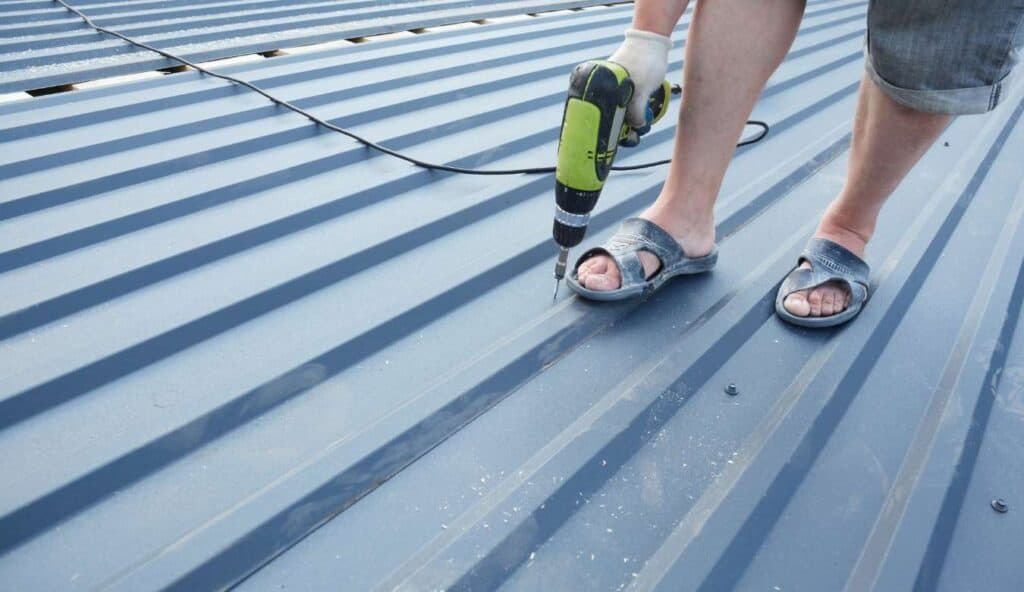
2. Metal Roofing: The Resilient MVP
Pros:
- Impressive Longevity: Expect 40–60 years, twice or more what asphalt offers.
- Excellent Weather Resistance: Hail (even 2.5″), strong winds, and snow slides off.
- Energy-Efficient & Eco-Friendly: Reflects heat, reduces cooling costs, and is often made of recycled materials.
- Looks GREAT: Let’s face it. We are shingle experts, and a metal roof just looks great on most homes.
Cons:
- Higher Upfront Cost: More expensive initially than asphalt, though ROI comes through reduced maintenance and energy as time goes on.
- Noise & Slickness: Rain or hail can be louder than on other materials, and steep surfaces can be slippery in snow or when the roof is wet.
3. Tile (Clay or Concrete): The Endurance Champion
Pros:
- Unmatched Lifespan: 50 years+; clay and slate can last over a century in certain parts of the country.
- Highly Durable: Fire-resistant and great in a variety of climates—excellent hail resilience.
- Distinctive Aesthetic: Clips into craftsman or southwestern styles beautifully.
Cons:
- Heavy & Costly: May require structural reinforcement; installation can be labor-intensive and expensive.
- Porosity Concerns: Some materials can absorb water and may require sealing to avoid freeze-thaw damage.
- Walking on it Can Crack the Tiles: If you need to access your roof, make sure a pro is doing it. Tiles can crack when people walk on them incorrectly.
- Discontinued Materials: Some companies will discontinue a specific tile after 10 to 30 years, so replacement tiles can become an issue. ALWAYS stockpile a minimum of 20 to 30 extra tiles in a garage or storage shed, along with ridge and edge tiles too.
4. Impact Resistant (Class 4) Shingles—Across Materials
Want the best hail protection?
Go with Class 4 Impact Resistant materials. This designation (UL 2218) indicates that the material has passed rigorous testing and can withstand exposure to extreme weather.
- Asphalt: Certain Class 4 asphalt shingles can handle hail up to 2″ and may reduce insurance premiums.
- Other Materials: Some synthetic or stone-coated products offer similar resistance—great if you want style + strength.
5. Comparison Table: Quick Glance
| Roof Type | Durability (yrs) | Hail Resistance | Pros | Cons |
| Asphalt (Std) | 20–25 | Moderate | Affordable, easy to install | Wears faster under hail |
| Asphalt (Class 4) | 30 | High (2″ impact) | Cheap hail protection + discounts | Still shorter lifespan than tile |
| Metal | 40–60 | Excellent | Durable, energy-efficient | Higher cost, noise |
| Tile (Clay/Concrete) | 50+ | Excellent | Very long-lasting, stylish | Heavy, expensive, sealing needed, discontinued |
6. Which Material Fits Your Colorado Home (And Style)
On a budget or prepping to sell?
Go with Class 4 asphalt shingles—good protection, low cost.
Prioritize longevity and performance?
Metal roofing is your bet—it’s efficient, tough, and future-focused.
After timeless aesthetic and durability?
Tile is a luxury choice that pays off over decades.
Frequently Asked Questions
Q: Do I really need Class 4 shingles if I live on the Colorado Front Range?
A: While not always required by code, they significantly improve hail resistance and will most likely lower your homeowner’s insurance premiums.
Q: Is a metal roof worth the initial cost?
A: Yes—a longer lifespan, lower maintenance, energy savings, and resilience in extreme weather make it cost-effective long term.
Q: Can tile roofs crack in Colorado’s freeze-thaw cycles?
A: High-quality, less porous tiles hold up well, but clay or concrete may need periodic sealing to prevent moisture damage, depending on the manufacturer.
Time to take action!
You’ve seen the lineup. Whether you pick Class 4 asphalt shingles for smart storm-proofing, metal for long-term performance, or tile for elegance that lasts generations, you’re choosing a winner in Colorado’s tough climate.
Ready to pick your champion? Reach out to Denny’s Roofing for a free consultation. We’ll help you select the best material for your budget, home style, and the Front Range’s unique weather.
Let’s make sure your roof doesn’t just stand—it excels.