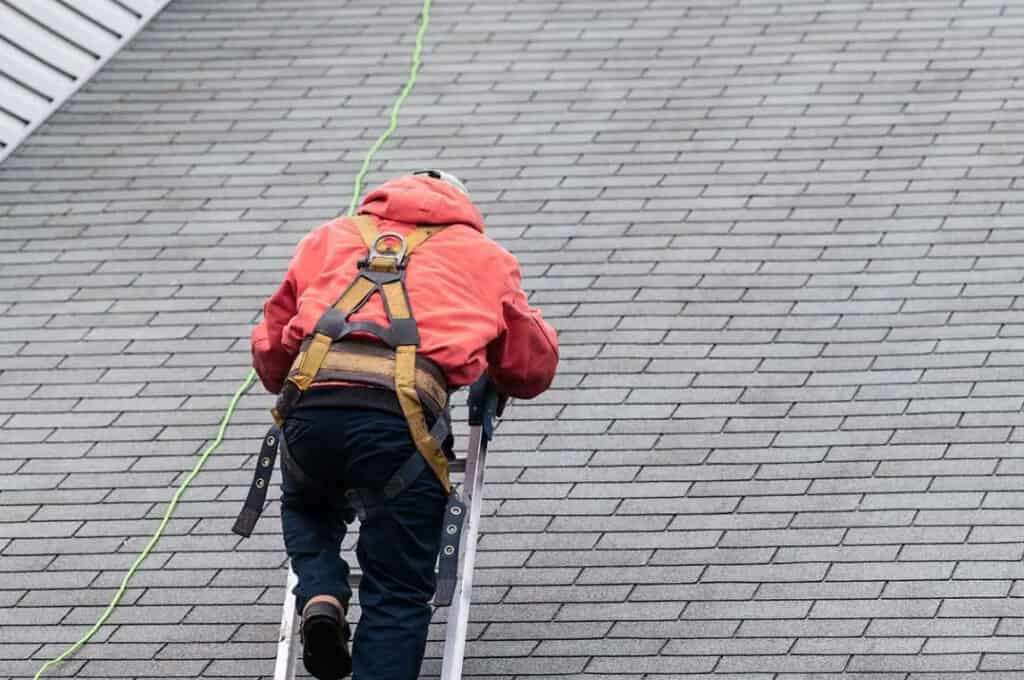
Winter on the Front Range can feel like a reality show — one minute you’re basking in sunshine, the next you’re starring in Game of Thrones: The Snow Edition. You might not be facing the fearsome “White Walkers,” but if your roof isn’t prepped and ready for the season change, you could be facing winter ice-damming troubles and water damage down the line.
Let’s talk about how to armor up your roof before the heart of winter hits—so you avoid leaks, insurance headaches, and don’t end up being able to go ice-fishing off your own gutter.
1. Know Your Enemy: What is an Ice Dam—and Why They Can Ruin Your Day?
Ice dams form when snow melts on the warmer part of your roof, then refreezes at the eaves (gutter line)—creating a frozen dam that can back up water under your shingles and leak into your home. It’s nature’s worst party trick—pretty to look at, destructive to live with under the wrong circumstances.
Always pay attention during bigger snowstorms to the icicles that form off the gutters. In Colorado, heavy snow, wide temperature swings, and sometimes cozy-but-air-leaky attics make ice dams way too common.
2. The Winter Prep Playlist: 6 Steps to Send Ice Dams Packing
a. Seal Air Leaks & Insulate the Attic like a Burrito
Any warm air sneaking into the attic—from the inside of the house, around vents, chimneys, light fixtures, crawl space entrances—can end up giving your roof a spa day based on the humidity that gets up in your attic. Seal gaps with caulk or spray foam, weather stripping, and target R-38 or better for the insulation for your attic floor. A little prevention goes a long way
b. Ventilate: Let It Breeze, Let It Breathe
Balanced soffit-to-ridge ventilation is going to be your roof’s chill pill. Cold air in, hot air out – keeps the roof surface uniformly cold. No melting around the eaves and soffits means no dams.
c. Gutters—Clean ’em Like Grandma’s China
Clogged gutters trap water that freezes into mini gutter glaciers. Keep them clear so melting snow flows off and down your downspouts—not back under your eaves and up under your shingles, which is where the leaks can happen and end up on your inner walls.
d. Add Ice & Water Shield Membrane
Think of it as a wetsuit for your roof’s vulnerable spots (eaves, valleys, exterior walls, and all pipe jacks, and venting), keeping meltwater and also heavy rains from sneaking inside. This must be installed during your roof replacement if you don’t already have it. When you are getting your roof replaced by an expert roofing company like Denny’s Roofing, have them check to see if it’s already on your roof. If not… talk to your Project Manager about adding it. Well worth the effort. We put it back on almost all of our roofs… just in case.
e. Heat Cables for When the Drama Won’t Quit
Lay zigzagging de-icing cables along your roof’s edge to give meltwater a warm escape route. It’s not glamorous, or necessarily pretty, but it works when all else fails. Especially if you have the ongoing issue with ice dams.
f. Snow Removal: Your Roof’s Cold-Weather Selfie Stick
If it’s a big ongoing issue, you can use a snow roof rake to gently clear snow from lower eaves to prevent the build-up. Suggestion: NEVER climb up on the roof or a ladder in the winter solo. There is just too much that can happen, and none of it is good. The snow rake acts like a timeout button before ice builds up. Search HomeDepot.com or Amazon for a “snow roof rake,” on a long extension pole, and get one that might work for your roof.
3. Spring Hailstorms: When Winter Punches Hard – and SPRING and SUMMER Hit Harder with Big Hailstones.
Colorado isn’t just about snow—it’s about hailstones that can literally be the size of softballs. They don’t get that big that often. And it can and does happen. We’ve seen it. Even short storms can leave lasting damage when the hailstones are hard enough, or the wind intensifies the power of the hail:
- Asphalt shingles can get bruised, crack, and/or lose granules.
- Metal roofs can be bruised or dented.
- Flashing and gutters? They are vulnerable to hail and wind.
- Paint can get dinged up.
- Window frames can be damaged.
- Window Screens are highly susceptible to hail damage.
- Siding can take a beating.
4. Armor Up: Hail-Resistant Roofing Materials
If your home were a superhero, this would be its armor upgrade:
- Class 4 impact-rated materials (UL 2218): Built tough to shrug off up to 2-inch hailstones, depending on the hardness of the hail.
- Metal and Tile roofing materials: Roof coverings that withstand smaller hail strikes and last longer. They are much more expensive and don’t take the same abuse that shingles can.
- Trim overhanging branches off your trees: Because free clobbering tools in the form of tree limbs and branches in a storm are not always approved by insurance carriers. Some consider it negligent in certain situations.
5. Bonus Tips: Pro Strategy
- Inspection is everything: Fall inspections catch issues before cold breaks them. Let the professionals climb—not you! Gutters and Downspouts with attitude: Keep them clear, functional, and ready to flow—no excuses.
- Inspections after a Hail Storm: Don’t hesitate to call us out after a hail storm. Especially if you start to see your neighbors getting their inspections. Denny’s Roofing is your local Roofing Expert, and we KNOW what to look for after a storm.
- Don’t wait until the end of the Hail Season: Get your roof checked right after a storm for peace of mind. Some insurance carriers have a shorter window of repair after a “date of loss” to get the work completed than some companies do.
Winter is Coming—but Denny’s Roofing is Coming Stronger.
Not sure if your roof needs sealing the air leaks, ventilating, or putting heat cables on your roof before that first snow hits? Contact us for a free inspection, local expertise, and winter-proof peace of mind.”
Every Front Range winter throws a plot twist—snow, ice, hail, you name it. But if your roof is prepped with airtight insulation, smart ventilation, clean gutters, and potential upgrades for hail resistance, you’ll face the season like a seasoned superhero—less battle, more comfort.