Residential and Commercial Roofing Done RIGHT!

Replace your Roof with A TRUSTED COLORADO FRONT RANGE ROOFING PROFESSIONAL

Category Archives: Roof Tips & Advice

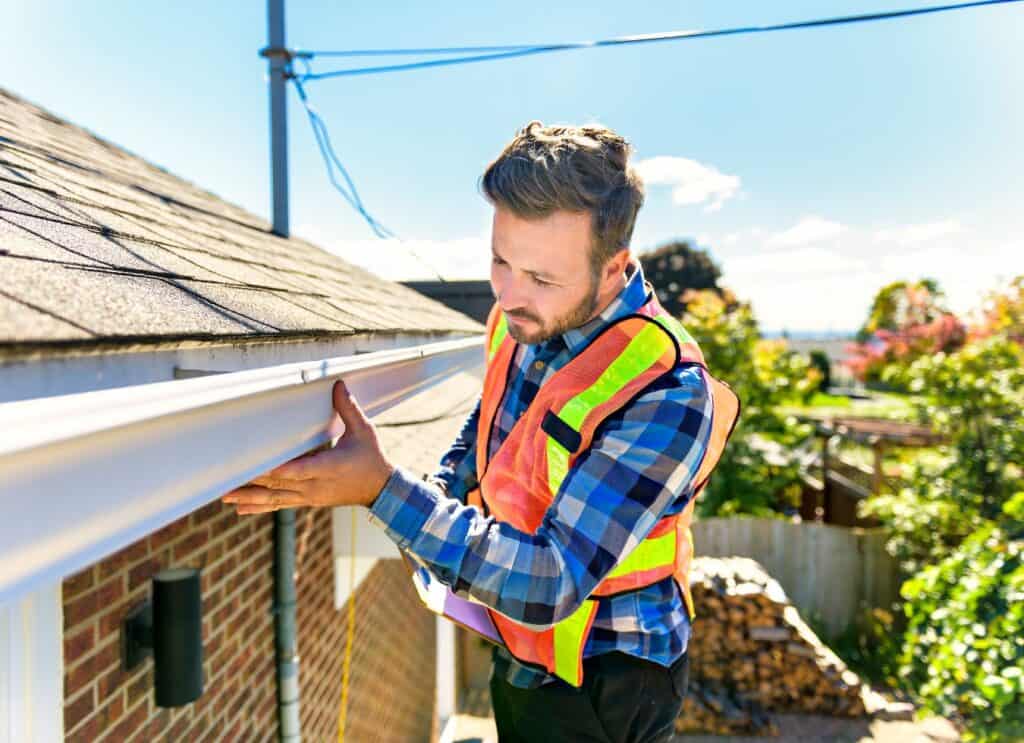
Choosing the Right Roofing Contractor: Questions to Ask Before Hiring

Okay, Colorado, it’s time to talk roofs. Whether your shingles are looking a little worse for wear or facing a primary roof replacement, finding the right roofing contractor can feel like dating. You want someone reliable, trustworthy, and, let’s face it, capable of handling the weight of your home (literally). Just like you wouldn’t swipe right on someone who can’t spell “commitment,” you shouldn’t hire a roofing contractor with the chops to protect your home.

If you’ve ever googled “local roofer in Colorado,” you know there are many options, making it crucial to ask the right questions to find the best roofing system for your needs. There are a lot of options. But how do you sift through the sea of contractors to find the one right for you? Don’t worry; we’ve got you covered. Below is your ultimate guide to vetting and hiring a roofing contractor like a pro—no more surprises or stress when it comes to your roof deck.

So, grab a notebook (or open your phone’s Notes app—let’s be honest, who writes things down anymore?), and let’s dive in!

1. Do They Have the Right Credentials? (Because Anyone Can Wear a Tool Belt and Pretend To Be a Roofer)

You wouldn’t hire someone to build your dream home based on their ability to quote lines, said Michael Scott from the sitcom The Office, right? (Though that would be fun.) You must ensure the contractor you hire has the proper credentials to back up their promises. Here’s what you need to check:

    • License: Ensure the roofing contractor is licensed to work in your Colorado city or county. Ask your contractor about their experience with the local roofing system regulations. A good roofing contractor will have a valid license and should be able to provide you with it upon request. A license means they’re officially recognized by the state first, then the city or county where the work is being done, and have met the requirements to work on roofs legally. (No, you don’t want to end up with someone pretending to know roofing, even if they have a cool Instagram page.)
    • Insurance: This is non-negotiable. Ask about the contractor’s liability insurance and worker’s compensation; these are essential questions. If someone is injured while working on your roof, you don’t want to be responsible for their medical bills. Similarly, if your roof or home gets damaged during the work, you don’t want to be stuck with the repair bills. A reputable roofing contractor should have both of these covered. If they don’t… run.
    • Bonding: While this one’s less common, a roofing contractor who’s “bonded” means they’ve got a level of financial protection for you as a homeowner. If something goes wrong and the job isn’t completed satisfactorily, bonding can protect you from paying out-of-pocket for repairs.

    2. What’s Their Experience and Reputation Like? (Because We All Want the Real Deal)

    So, let’s say they’ve got the proper papers in place; inspecting their previous work is also essential. Great! But are they good at roofing, or is this just a side gig they picked up last weekend? It’s time to dig a little deeper. Just like you wouldn’t trust a two-week-old Yelp review to make life decisions (looking at you, overpriced sushi), you want to ensure your roofer has a solid track record. Here’s how to find out:

      • Past Work: Ask for references or, even better, a portfolio of past roofing projects, especially those that involved a new roof installation. Any good contractor should be proud to show off their work. If they can’t, it’s a red flag. Do they specialize in roof repairs, full replacements, or both? Is there any particular type of roof they’re experts in—like tile, metal, or asphalt? Do they do all residential roofing, or do they do commercial roofing? You want someone with experience with the specific roofing materials and styles relevant to your home.
      • Online Reviews: Check out online reviews on Google, Yelp, or Angie’s List. But don’t just look at the stars—read the actual reviews. Pay attention to any recurring issues that come up in multiple reviews. Does the contractor follow through on timelines? Do they respect your property? (It’s one thing to fix your roof, but you don’t want them leaving your yard looking like a war zone.) Also, check their ratings on the Better Business Bureau (BBB) website. If they have complaints or unresolved issues, proceed with caution.
      • Word of Mouth: Ask your friends, neighbors, or even your local Facebook group about their roofing experiences with different roofing systems. Personal recommendations from people you trust are often the best way to find a contractor who will do right by you. And hey, if a fantastic contractor did your neighbor’s roof, you might be able to snag a discount by saying, “So-and-so recommended you!”

      3. How Do They Communicate? (Because Communication Is Key, People)

      Imagine hiring a contractor who doesn’t return your calls or answer your questions. Not cute. Communication is a massive part of the contractor-client relationship, so ensure you’re on the same page.

        • Responsiveness: When you first contact a contractor, how quickly do they respond? If it takes days for a response or if you can’t seem to reach them, that’s not a great sign. You want someone who will be accessible and transparent throughout the process.
        • Explain the Process: A reputable contractor should be able to explain the roofing process in a way that makes sense to you. They should be able to walk you through the materials they plan to use, the timeline, and the potential challenges they might encounter. You don’t need them to give you a step-by-step breakdown of their labor force (unless you’re into that sort of thing), but you should feel comfortable asking questions and getting solid, understandable answers.
        • Will they work with the insurance claim estimate to ensure your new roof meets all necessary standards? Are they willing to do the work to do a professional job of replacing your roof for the amount on the insurance estimate, or will there be any additional expenses? That should be all lined out on any contract that you sign.
        • If you are Paying Out Of Your Pocket For A Roof? – Get a DETAILED Written Estimate:
          Never hire a contractor who gives you a verbal estimate and surprises you with hidden fees later. Instead, you want a written estimate that breaks down the cost of materials, labor, permits, and other potential expenses. This will help you avoid nasty surprises when the final bill arrives.

        4. Red Flags to Watch Out For (Because Not Every Contractor is a Gem)

        Unfortunately, not every roofing contractor is going to be The One. Here are some red flags to look out for when choosing a roofing contractor, including their ability to provide a detailed inspection of your roof deck. If you spot any of these, it might be time to swipe left and consider a contractor who can assure quality artistry.

          • Too Low of a Bid: If a contractor’s estimate is way lower than the others, don’t automatically jump at it. It might seem like a great deal, but a too-low bid could indicate they’re using subpar materials, cutting corners, or planning to add hidden fees later. Remember: You get what you pay for.
          • No Contract: Always get a contract in writing. If a contractor refuses to give you one, that’s a major red flag. A contract ensures both parties are clear on the scope of the work, the timeline, and the cost. Without one, you’re just asking for trouble.
          • High Pressure Sales Tactics: If the contractor pressures you to decide on the spot, that’s a huge warning sign. A professional roofer will give you time to think it over and do your research. They’ll respect your decision-making process, not rush you into signing a contract. That animal is entirely different if you feel good and can trust them. Trust your gut.
          • No Physical Address: A contractor without a physical address or local presence is a red flag. A legitimate business should have a location where you can contact it, not just a P.O. Box or a website.

          5. Do They Offer a Warranty? (Because Life Happens)

          Finally, one of the most important questions you should ask is about warranties. If a roofing contractor can’t provide you with a warranty on their work, that’s another huge red flag. A good roofing company should stand behind their work. If something goes wrong, you want peace of mind knowing the company will fix it at no additional cost.

          Ask about:

          • Material Warranties: Most materials (like shingles) come with warranties, but it’s essential to ask your contractor about the specifics of artistry guarantees. Ensure your contractor is using quality materials backed by a strong warranty.
          • Labor Warranties: A reputable contractor should also offer a labor warranty to cover any issues that arise from their work.
          Other Popular Questions We Receive Related to Questions to Ask Before Hiring

          Q: What should I ask a roofing contractor before hiring them?

          A: You should ask about their experience, payment terms, warranty options, and whether they have general liability and worker’s compensation insurance. It’s also important to inquire about their process for roof inspections and the specific roofing work they will perform.

          Q: How can I evaluate roofing contractors effectively?

          A: Start by checking their credentials, reviews, and references. Ask your roofer about their experience with similar roofing projects, like shingle roofing or metal roofing systems, and look for any red flags to look for, such as lack of insurance or unwillingness to provide a written estimate.

          Q: What are the red flags when choosing a roofing contractor?

          A: Red flags include contractors without a warranty, asking for full payment upfront, or cutting corners on materials and labor. Additionally, be cautious if the contractor doesn’t have liability and worker’s compensation insurance.

          Q: How much experience should a roofing contractor have?

          A: Choosing a professional roofing contractor with several years of experience is advisable. A contractor with a proven track record is more likely to handle your project effectively and provide quality results.

          Q: What should I know about roofing contracts?

          A: Roofing contracts should detail the scope of work, payment terms, timeline, and warranty information. Before signing, review the contract thoroughly and ask your roofer about any unclear points.

          Q: How does ventilation affect my new roof?

          A: Proper ventilation is essential for maintaining the longevity of your new roof. It helps regulate temperature and moisture, preventing mold growth and ice dams. Be sure to discuss ventilation options with your roofing contractor.

          Q: What should I do if my existing roof needs a roof inspection?

          A: If you suspect your old roof may have issues, contact a professional roofing contractor to conduct a roof inspection. They can identify any problems and recommend necessary repairs or whether you need a new roof.

          Q: How can I ensure my roofing contractor uses quality materials?

          A: Ask your roofer about the materials they plan to use, including specific brands and types, such as ice and water barriers or flashings. A reputable contractor will be transparent about their choices and ensure they meet local building codes.

          Q: What should I expect during the roofing work process?

          A: During the roofing work, expect your contractor to protect your property, communicate regularly about progress, and ensure safety measures are in place. It’s also good to check in periodically to address any concerns.

          Conclusion: Don’t Settle for Just Any Roof Over Your Head!

          Choosing the right roofing contractor can feel like a lot of pressure. After all, your roof is between you and the elements. But by asking the right questions, checking credentials, and checking for red flags, you can find a trustworthy contractor who’ll do the job right. Once you’ve found a contractor who checks all your boxes, you can breathe easily, knowing your roof is in good hands.

          If you’re looking for a local roofing contractor in Colorado who knows their stuff, look no further than those specializing in metal roofs—Denny’s Roofing. We’re licensed, insured, and ready to help with all your roofing needs—from inspections and repairs to complete replacements. So, don’t wait for the next hailstorm to hit—reach out today, and let’s inspect your roof to ensure it’s in tip-top shape!

          Ready to hire a pro for your roofing project? Call Denny’s Roofing today for a FREE inspection, consultation, or estimate. We’re your local experts, here to help keep your home safe and sound.
            How Weather Conditions Impact Your Roof and What You Can Do About It (Colorado Edition)

            If you’ve lived in Colorado for over five minutes, you’ve probably learned a vital life lesson: The weather here has no Netflix and chill zone. One minute, it’s sunny and 75, and the next minute, a snowstorm hits like it’s auditioning for the next Twister movie. It’s enough to make anyone’s head spin—and when it comes to your roof, all those wild weather conditions can take a toll. But don’t panic because we’ve got your back.

            Whether you’re dealing with summer hailstorms that could double for a free car wash or the infamous Colorado winds that seem determined to relocate your roof, it’s essential to know how the weather impacts your roof and what you can do to protect it. After all, your roof is one of the hardest-working parts of your home, and giving it a little extra TLC will save you time, money, and potential headaches in the long run.

            So, grab a hot cup of coffee (or something more substantial; we won’t judge)!

            Let’s discuss how the weather affects your roof, which can lead to necessary roof repairs, and what you can do about it.

            1. Hail: Mother Nature’s Version of an Unwanted Spa Treatment

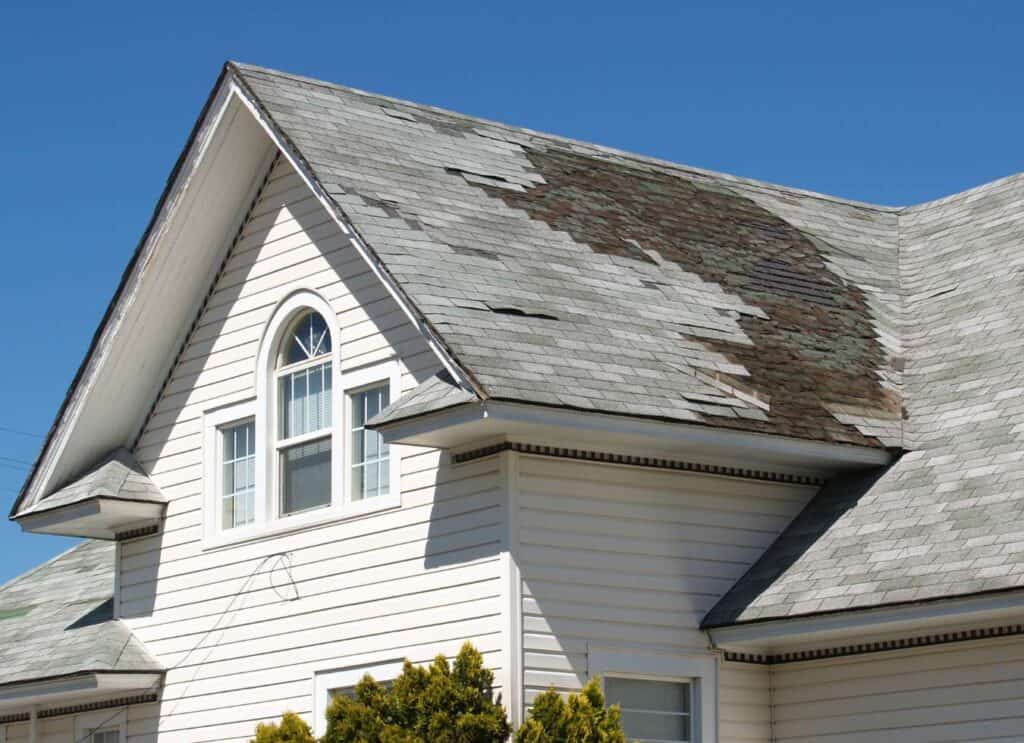
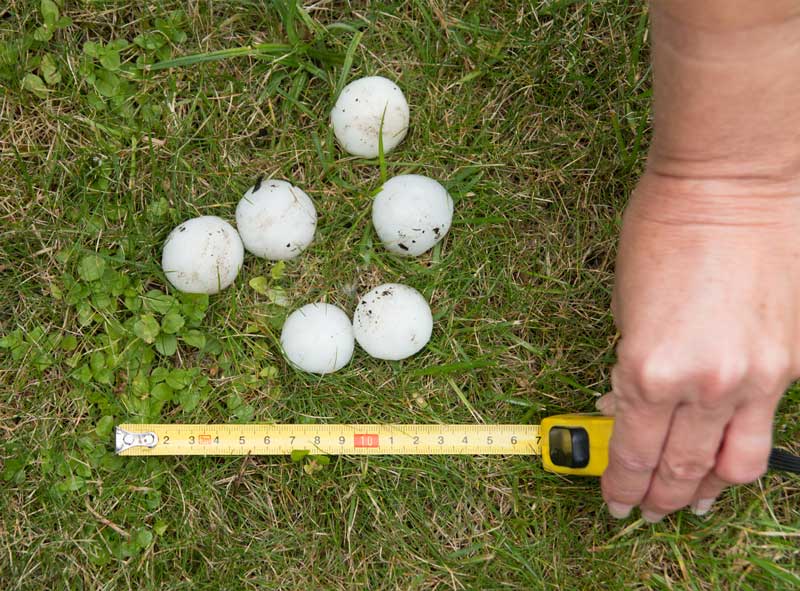
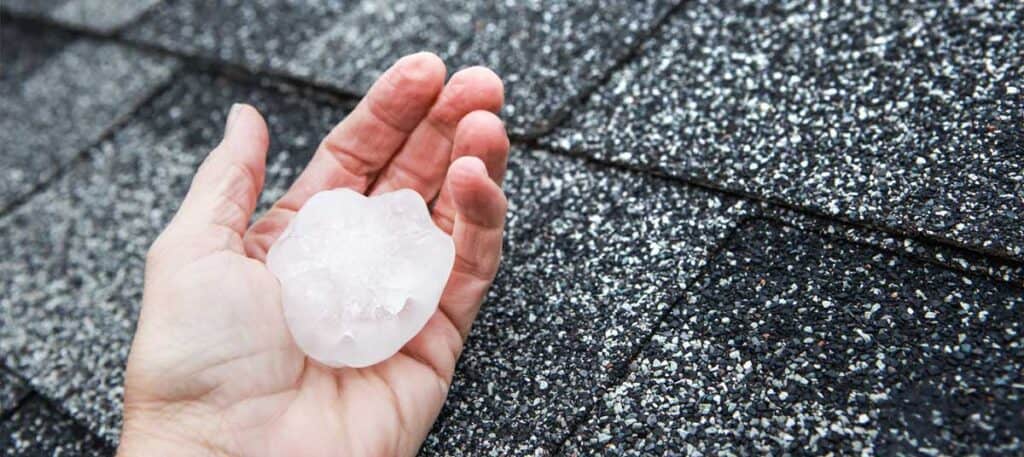
            Ah, hail. In Colorado, it’s practically a rite of passage. Whether it’s the size of a quarter or a golf ball, hailstorms can seriously damage your roof, especially if your shingles aren’t up to the task. The force of hailstones pounding against your roof can cause:

            • Dents, cracks, and holes: Especially on asphalt shingles, these are common in Colorado homes.
            • Granule loss: Hailstones can strip the protective granules from shingles, reducing their effectiveness and longevity.
            • Cracked tiles or shingles: If the hail is more significant, these can break or fracture, leaving your roof vulnerable to leaks.

              What can you do about it?

              • Inspect after a storm: Assess any potential roof damage caused by different weather conditions. After a major hailstorm, inspect your roof (or call a local roofer like Denny’s Roofing to do it for you). Check for any visible damage to shingles, tiles, or other roofing materials. If there’s damage, it’s better to catch it early before it becomes a more expensive roof repair problem, such as unwanted water intrusion.
              • Consider impact-resistant materials: If you’re replacing your roof or it’s time to upgrade, look into roofing materials designed to withstand hail. There are impact-resistant shingles available that can handle Colorado’s stormy mood swings. If Denny’s Roofing replaces your roof, we will offer you a free upgrade to a Class 4 IR shingle if you don’t already have it on your roof.
              • Invest in a roof inspection: Many roofing companies offer free or low-cost inspections after a big storm to help homeowners assess potential roof repairs. Trust us, it’s worth it to ensure your roof hasn’t been quietly plotting against you. Denny’s Roofing will inspect for FREE!

              2. Wind: When Your Roof Wants to Test Its Aerodynamics

              In Colorado, wind can blow through faster than a plot twist on The Bachelor. And while we love the wind for keeping us cool during summer, it’s not always so kind to our roofs. Those gusts can wreak havoc in several ways:

              • Lifted shingles: High winds can lift shingles, which might cause them to buckle, tear, or even blow entirely off.
              • Broken flashing: The broken flashing metal around vents, chimneys, and skylights is vulnerable to severe weather’s high winds. These winds can pry it loose or cause it to rust and deteriorate, necessitating repairs.
              • Roof structure damage: While your shingles are the first line of defense, strong winds can also stress the structural integrity of your roof, especially if it’s older or has been weakened by other weather events.

                What can you do about it?

                • Windproof your roof: If you’re in an area with heavy winds, ensure your roof is properly anchored. This might mean using unique roofing nails or adhesive products to secure the shingles. Older shingles will pull up because the adhesive to secure the shingles to each other will start to fail. Newsflash—Certain brands of the newer shingles have higher wind ratings than they used to. The goal is to ensure your roof can withstand gusts without taking off like a kite.
                • Trim overhanging branches: Trees and branches that hang over your roof can become wind-driven projectiles during a storm. Keep them trimmed back to prevent accidental damage.
                • Install a wind-resistant roof: These help prevent damage from severe weather conditions. If you’re getting a new roof, consider wind-resistant options. Some roofing systems and shingle brands are designed with wind-resistant features, such as interlocking shingles and more robust underlayments.

                3. Heavy Snow and Ice: When Your Roof Gets a “Cold Shoulder”

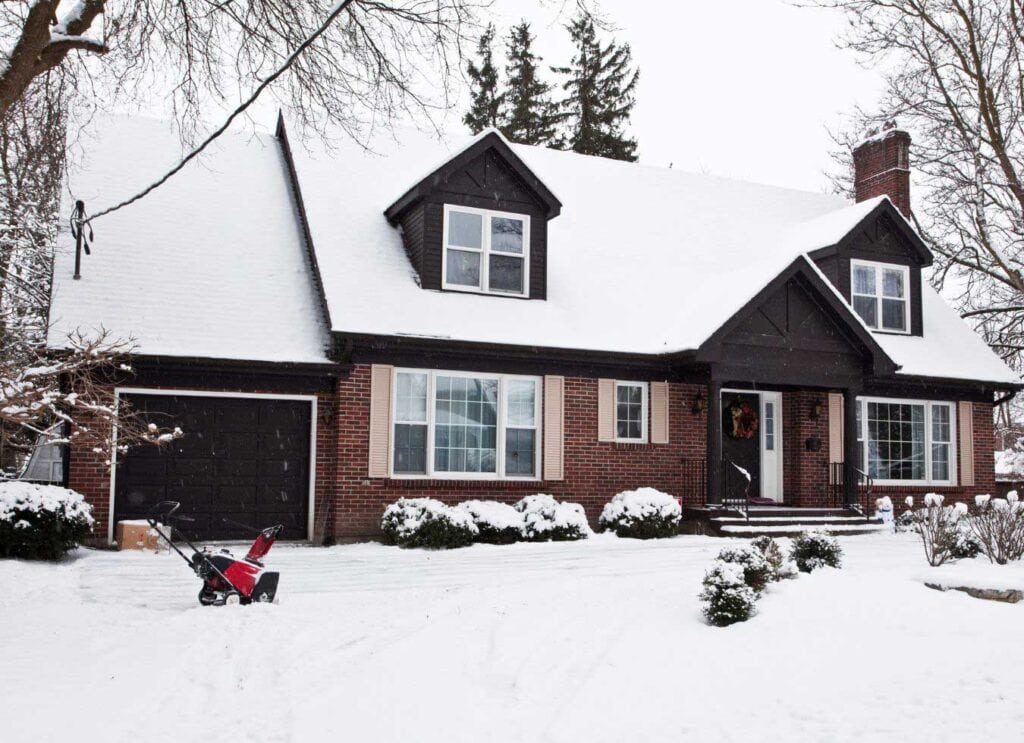
                Snow is practically a given in Colorado, and while it’s great for skiing and hot cocoa, it can be a major headache for your roof. Heavy snow can cause all sorts of issues:

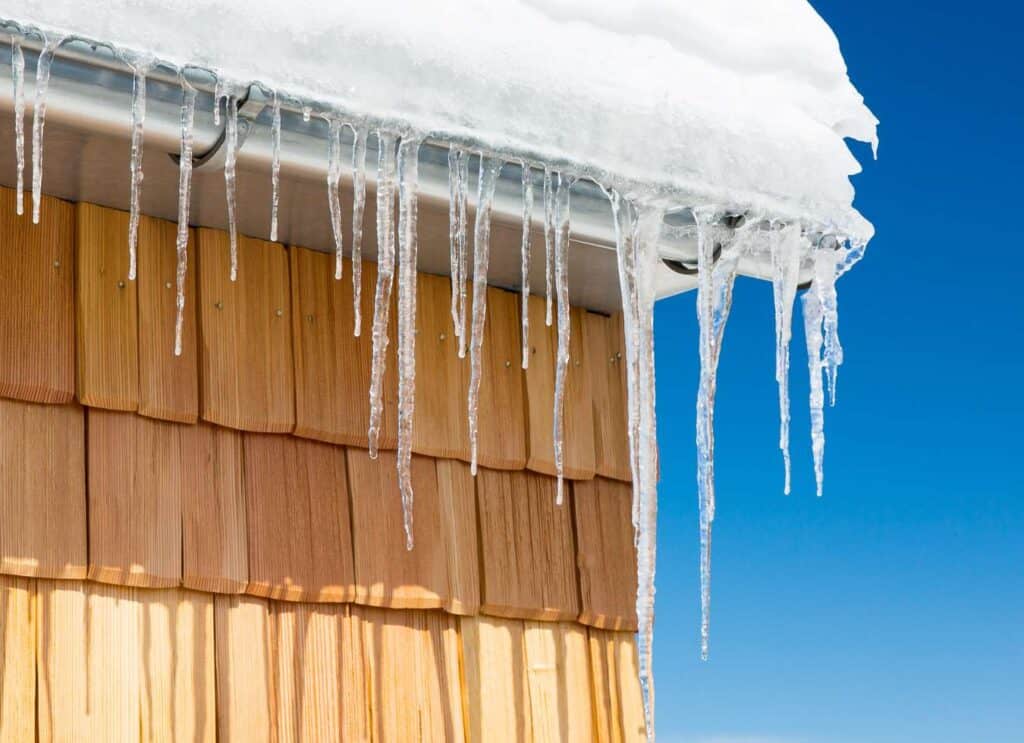
                • Ice dams: When snow melts and refreezes on your roof; it can create ice dams along the eaves, which can cause roof damage if not addressed. These ice dams prevent proper drainage, causing water to back up under shingles, leading to leaks and mold growth in your attic.
                • Roof collapse: While it’s rare, roofs can collapse if the snow buildup is too heavy and the roof isn’t strong enough to bear the weight. This is common in flat roofs or older homes with insufficient structural support.
                • Worn-out shingles: The constant freezing and thawing cycle can also wear down shingles over time, leaving them brittle and susceptible to damage, which may require roof replacement.

                  What can you do about it?

                  • Winterize your roof: After heavy storms, clear of snow or ice over 12 inches, especially near the eaves. Tools specifically designed for safe roof snow removal are available, so don’t climb up there with a shovel or anything risky. Also, don’t use “ice melt” on the roof. It’s too harsh on the materials and will kill the longevity of your roof.
                  • Install proper attic insulation and ventilation: Ice dams often occur because warm air from your attic melts the snow on your roof, refreezing as it reaches the colder eaves. Proper insulation and ventilation help prevent this by keeping your attic temperature consistent, reducing the risk of ice dams and leaks.
                  • Install heat cables if needed: For homes prone to ice dams, installing roof heat cables along the eaves can help keep the snow from melting and refreezing. These cables melt snow as it falls, preventing the buildup of ice.

                  4. Proper Roof Ventilation and Insulation: The Unsung Heroes of Your Roof’s Health

                  If you’re not paying attention to your roof’s ventilation and insulation, you’re missing out on some profound benefits. Think of ventilation and insulation as the roof’s version of good skincare—without them, your roof could prematurely age and suffer from issues that could have been prevented, leading to costly roof repairs.

                  • Ventilation: Proper attic ventilation helps regulate your home’s temperature, preventing heat buildup and moisture accumulation. Without good ventilation, you could have a moldy attic, rotting wood, or premature damage to your shingles.
                  • Insulation: Insulation helps keep your home warm in the winter and cool in the summer, reducing the strain on your roof and ensuring it lasts longer. Without proper insulation, the heat in your attic can cause ice dams, and the lack of airflow can contribute to the premature aging of your roofing materials, reducing their lifespan.

                    What can you do about it?

                    • Add more attic vents: Consider adding more if your attic isn’t well-ventilated. Ridge vents, soffit vents, and gable vents can all help maintain a constant airflow, preventing moisture buildup and excess heat.
                    • Check your insulation: Ensure it protects against different weather conditions. Make sure your attic is adequately insulated. If the insulation is thin or old, you might want to add more to improve your roof’s overall performance and lifespan. Insulation keeps your roof and home energy-efficient and protects it from the extremes of Colorado weather.

                    Other Popular Questions We Get About Structural Damage and Roofing Contractors

                    Q: How do extreme weather conditions impact my roof?

                    A: Extreme weather conditions can cause significant wear and tear on your roof. Heavy rain can lead to leaks, while extreme heat can cause roofing materials to become brittle. Additionally, UV rays can degrade roofing materials over time, compromising their effectiveness.

                    Q: What types of severe weather should I be concerned about for my roof?

                    A: In Colorado, common types of severe weather include heavy rain, hail, snow, and extreme heat. Weather events can impact your roof differently, from causing leaks to damaging roofing materials.

                    Q: How can I protect my roof from weather damage?

                    A: Consider investing in weather-resistant roofing materials to protect your roof. Regular roof inspections can also help identify potential issues before they escalate into significant problems. Keeping gutters clear of debris is essential to ensure proper drainage during heavy rain.

                    Q: What are the signs of roof damage caused by extreme weather?

                    A: Signs of damage may include missing shingles, leaks inside your home, dark spots on your ceiling, or visible wear and tear on the roofing materials. If you notice any of these signs, it’s crucial to contact professional roofing services to assess the damage.

                    Q: How often should I have my roof inspected to understand the impact of weather?

                    A: Inspecting your roof at least once a year or after any severe weather event is recommended. Regular roof inspections can help you understand how different weather conditions impact your roof and allow you to address any issues early.

                    Q: Can extreme heat affect my roof materials?

                    A: Yes, extreme heat can cause roofing materials to expand and contract, which may lead to cracks or other forms of damage. Over time, this can compromise the integrity of your roof and reduce its lifespan.

                    Q: What should I do if I suspect my roof has been damaged by bad weather?

                    A: If you suspect your roof has been damaged, you must look closer and contact a professional roofing contractor. They can provide a comprehensive assessment and recommend the necessary repairs to ensure your roof is ready for future weather events.

                    Q: How do I know if my roof is ready for severe weather?

                    A: Schedule regular maintenance checks and inspections to ensure your roof is ready for severe weather. Address any signs of damage promptly, and consider upgrading to weather-resistant roofing materials.

                    So, What’s the Takeaway?

                    In Colorado, your roof faces serious challenges, from hailstorms to heavy snow and everything in between. But with the proper preparation and a little TLC, you can ensure your roof stands up to the wild weather like a champ.

                    Whether winterizing your roof, checking for hail damage, or investing in proper ventilation, there are plenty of ways to protect your home. And if you’re unsure where to start or if your roof needs a little mention, don’t hesitate to call Denny’s Roofing—your local expert in roofing, no matter what Mother Nature throws at you.

                    Ready to take care of the roof? Call Denny’s Roofing today for an inspection, consultation, or roofing services in Colorado. Let’s keep your roof in tip-top shape, no matter what the weather decides to do next!

                    Need help with your roof? Contact Denny’s Roofing for expert advice, top-notch roofing materials, and friendly service. We’ve got you covered—literally!

                    Finding the Right Roofing Contractor: Essential Tips for Roof Repair

                    So, your roof’s starting to look like it belongs in a weathered movie set, or maybe a leak has become an uninvited guest. You know it’s time to find a local roofer who can save the day, but the thought of hiring the right someone feels like a complicated game of “Who Wants to Be a Millionaire?” — except you’re the one with all the questions, and it’s your home and wallet on the line.

                    Don’t worry, we got you. Whether you’re dealing with roof repairs, roof replacements, new builds, or you are just trying to make sure your roof isn’t secretly plotting against you, this guide will walk you through how to find the right local roofer who’ll do the job right (and for a price that won’t make you faint if you have to pay out of your pocket).

                    1. Start Local, Think Global

                    When you’re looking for a roofer, LOCAL is the keyword, so let me say that again: GO LOCAL! Why? Well, imagine trying to hire a chef who doesn’t know the first thing about your area’s food scene, and they are putting on a “Farm to Table” event. It’s the same concept with Roofing. Local roofers know the climate, the weather patterns, and the specific roofing materials best suited for THIS area. Storm chasers from other states don’t. They will tell you they do. But if they are not a local company, you can verify it is not an office that just popped up from the recent storm. Please don’t do it.

                    For example, if you were looking for a Roofing Contractor in a place like Florida With those lovely tropical storms, you’ll want someone experienced with roofs that can handle heavy rain and high winds, so choose the right roofing contractor. On the other hand, if you’re in California, many roofing companies can help you choose the right roofing materials for your needs. You may need a roofer familiar with solar panel installation or fire-resistant Roofing. (Plus, their office will probably be much closer to you than that roofer based halfway across the state!)

                    This is Colorado, and hail, high winds, extreme heat, cold, snow, and ice sometimes pummel us. You need someone who knows the best materials for HERE. Not Texas, Iowa, Missouri, where the options for commercial roof installations may be limited, or Nebraska, where you might struggle to find the best roofing companies for your project.

                    A company like Denny’s Roofing knows the good old Rocky Mountain High state and the weather’s ups and downs because the Colorado Front Range IS their backyard. Go local.

                    2. Check for Credentials Like You’re Auditioning for The Bachelor

                    It’s like a good dating app profile with a solid first impression—until you realize they can’t even spell “roof replacement” correctly. Not exactly a great sign, right? (At least, we hope not.)

                    When choosing a roofer, make sure they are:

                    • Licensed: Always ask if the roofer/contractor is licensed in the local area. It’s an essential step that shows they know what they’re doing. A licensed roofer is also more likely to understand local building codes and regulations and live up to the codes. They will lose their local license if they don’t add it to the code.
                    • Insured: This is a non-negotiable. If a roofer damages your property (or, heaven forbid, falls off the roof), their insurance should cover it. No insurance? No thanks.

                      Bonded roofing contractors often provide better assurance that you are hiring a reliable professional for your roofing services: This protects you if the job isn’t completed or something goes wrong. It’s like a safety net you didn’t even know you needed.

                      In short, ensure that your roofer has the proper credentials. While everyone loves a good fixer-upper, no one wants to end up with a fixer-upper roof—and a ton of liability if it’s not done correctly. We have fixed more poor installations from other roofers than we should have. Be careful.

                      3. Reputation Is Everything (Ask Your Favorite Social Media Influencer)

                      Have you ever noticed how you trust that influencer’s skincare routine more than your cousin’s? It’s all about trust and credibility, right? When it comes to roofers, the same rule applies. Reputation is key when hiring a roofing contractor who delivers quality work.

                      Here’s how to find out what other people think about the roofer you’re considering:

                      • Ask your insurance agent who they recommend: The roofers they provide you are already vetted and “tried and true.” Your agent cannot afford to suggest someone who will not do a great job and risk losing you as a client. Denny’s Roofing is highly recommended by 100+ Insurance Agents—100’s of Real Estate agents and over 1000 previous customers. In fact, over 93% of our work every year comes from referrals. Give us a call and see for yourself!
                      • Online Reviews: Go ahead, Google them. Check out reviews on Google, Yelp, Angie’s List, and any other site where people have shared their experiences. A reputable local roofer should have a solid history of satisfied customers. We have all 5-star reviews written by clients that sound like a roofer’s cousin wrote them. And honestly, it’s hard to make every single client happy all the time… and we give it our all on every job.
                      • Word of Mouth: Ask your neighbors, friends, or local Facebook groups for recommendations. Chances are, someone has had their roof worked on recently and can provide a real-life reference. Look at the signs in the yard in your neighborhood after a storm to find the best roofing services available. Talk to your neighbor and find out who they are using and why.
                      • BBB Accreditation can help you choose the right roofing companies for your new roof installation: If your roofer is accredited by the Better Business Bureau (BBB), that’s usually a good sign that they take their business and customer service seriously. It’s like getting a gold star in elementary school—except this time, it means something.

                        4. If you DON’T have a Local Recommended Roofer to Rely On — Don’t Be Afraid to Shop Around for Your Guy

                        If you don’t have a Roofer who was strongly recommended by someone you trust, we would love for you to reach out to us so that we can meet you and determine whether we are a good fit to be your contractor.

                        Here are a few warning signs to look for during your inspections of potential roofing contractors:

                        • Rushed Contracts: Never sign a contract right away, especially not during the first meeting. Wait until you inspect with the insurance adjuster and have a “scope of work” back from the insurance company. Out of town – door knockers – that come out right after a hail storm will push you to sign on the spot. Just don’t do it.
                        • Discounted Pricing: If a roofer is willing to give you a big discount, like not paying your deductible during your first meeting or making incredible promises, that’s a big red flag. That could be considered Insurance Fraud here in the state of Colorado. And fraud with a claim doesn’t come back on the contractor if it is discovered, it comes back on the homeowner and the fine is 3x the amount of the fraud. Be careful, and also don’t pay for your work upfront. Good Contractors will not ask for money before the work is in progress or at least have materials delivered on the roof. Also, specify what specific brand and material will be used, especially for the shingles. It makes a difference.
                        • Too Good to Be True: If your Roofer is promising you the moon and dropping numbers that seem way lower than the others? They say it probably is if something looks too good to be true. Quality roofing materials and skilled labor come at a price. Ask questions if someone is offering you a “too cheap to be true” deal! Buyer beware.
                        • Hidden Fees: Always clarify what’s included in the insurance company estimate to ensure you hire a roofing contractor who won’t leave you with unexpected costs. Roofers sometimes charge extra for waste removal, disposal fees, or additional labor above and beyond the claim amount. Ask if any potential added costs might be claimed during the job. The company does not guarantee you will pay the deductible unless it’s a recoverable cash value (RCV) policy.

                          5. Ask About Materials—You’re Not Just Picking Colors, Folks

                          A local roofer should be able to walk you through the different roofing materials that work best for your home and climate.

                          Here are a few popular options:

                          • Asphalt Shingles: The most common roofing material. They’re durable, cost-effective, and come in various colors, making them an excellent option for those choosing the rigRoofinging for their home. (But let’s be honest, you’re probably just trying to avoid having to deal with your leaky roof again, not pick a new shade of “Ocean Breeze.”) If you don’t already have a Class 4 shingle… your contractor should give you a free upgrade to a Class 4 IR shingle. If they are not doing that… call us at Denny’s Roofing. We do and give it to you for free.
                          • Metal Roofing: Metal Roofs are popular among homeowners looking for the best roofing services for durability and style. Known for their longevity and energy efficiency, metal roofs are a great option if you want something sleek and long-lasting. Plus, they are fabulously cool in the rain.
                          • Tiles: Clay or Concrete Tiles are excellent options to find the best roofing services for your new roof. Great for areas with hot weather, these tiles are incredibly durable and stylish. However, they are also heavier and more expensive, so choosing the right roofing materials for your new roof is essential.

                            Ask your roofer for recommendations on the best material for your specific needs. They should be able to advise you based on factors like durability, cost, and aesthetics.

                            6. Warranty, Baby! (Because Who Doesn’t Love a Good Guarantee?)

                            If a roofer offers a warranty on their work, they say, “Hey, we’re so confident in our craftsmanship, we’ll put our money where our mouth is.” A good warranty can give you peace of mind, knowing that you’re covered if your roof fails after it’s been repaired or replaced.

                            Just make sure you understand the details. Is the warranty for labor, materials, or both? It should be both. How long does it last? Don’t be afraid to ask questions about the fine print.

                            7. Communication Is Key—Like That One Text That Never Comes

                            You know how frustrating it is when someone ghosts you, right? Well, the same rule applies to roofers. When trying to hire someone, you need and deserve clear and timely communication. From the first phone call to completing the job, your roofer should be professional, responsive, and willing to answer any questions you have.

                            If your roofer dodges your calls or takes forever to respond, that’s a major red flag. A solid roofing professional respects your time and is open about the timeline, materials, and process.

                            Other Popular Questions We Receive Related to Licensed and insured Roof Inspections and Reliable Roofing

                            Q: How can I choose the right roofing contractor for my roof repair?

                            A: To choose the right roofing contractor, research reputable companies in your area, check their reviews, verify their licenses, and ask for references. Ensuring that the contractor has a good reputation and is reliable in handling roof repairs is essential.

                            Q: What should I look for when hiring a roof contractor?

                            A: When hiring a roof contractor, consider their experience, qualifications, and customer feedback. Ensure they are licensed and insured, and ask about the quality of the materials used for roof repairs or replacements.

                            Q: Are there specific roofing materials I should consider for my roof replacement?

                            A: Yes, when considering roof replacement, you should consider various roofing materials, such as asphalt shingles, metal roofs, or tile roofs. Each material has benefits and costs, so choose one that fits your home’s style and budget.

                            Q: How do I find the best roofing companies in my area?

                            A: To find the best roofing companies, start by searching online for local roofing companies, checking their reviews on sites like Yelp or Google, and asking for recommendations from friends or family. Contact us today for more personalized assistance in your search.

                            Q: What are some tips for choosing when hiring a roofing contractor?

                            A: Here are five tips for making the right choice when hiring a roofing contractor: 1) Research and compare multiple contractors, 2) Check their credentials and licenses, 3) Read positive reviews, 4) Get detailed estimates, and 5) Ask about warranties on both materials and artistry.

                            Q: How can I ensure that my roof keeps water out effectively?

                            A: To ensure your roof keeps water out effectively, hire a dependable roofing contractor who uses quality materials and follows proper installation techniques. Regular maintenance and inspections can also help prevent leaks and water damage.

                            Q: What should I do if I need a complete roof replacement?

                            A: If your roof needs a complete replacement, assess its condition. Then, research local roofing companies, get multiple estimates, and choose a contractor with quality materials and a solid warranty.

                            Q: How do I verify if a roofing contractor is licensed and insured?

                            A: You can verify if a roofing contractor is licensed and insured by asking them for their license number and proof of insurance. You can also check with your local licensing board or the National Roofing Contractors Association for additional verification.

                            Q: Is it advisable to hire the first roofing contractor I contact?

                            A: It’s not advisable to hire the first roofing contractor you contact. Instead, take your time to research multiple contractors, compare their services, and read reviews to ensure you find a contractor who meets your needs and offers the best value.

                            In conclusion, finding the right local roofer doesn’t have to be an overwhelming experience.

                            With a lot of research, a handful of questions, and a good sense of humor (because roof issues can stress anyone out), you’ll be able to find the perfect professional for your roof. So, whether you’re dealing with a tiny leak or a full-on roof overhaul, you now have the tools to hire someone who knows their stuff, respects your budget, and guarantees a job well done.

                            And remember: when in doubt, always go local. Don’t use the door knockers from out of state. Your roof—and your wallet—will thank you later.

                            Looking for a trusted local roofer? Call or email Denny’s Roofing today! We’re licensed, insured, and ready to help with your roofing needs: no leaks, no worries—just reliable service at a price you’ll love!

                            Understanding Roof Flashing: Why It’s Important for Your Roof System

                            Picture this: you’ve just installed a beautiful new roof on your home. The shingles are sleek, the color is perfect, and your house looks top-notch. But wait—what about those little metal strips that run along the roof’s edges and around chimneys, vents, and skylights?

                            Roof flashing may not get as much attention as your shingles or tiles, but let me tell you—it plays a pivotal role in protecting your roof from water damage and ensuring its long-term durability. If you think flashing is just a minor detail, think again! An adequately installed flashing system could be the difference between a dry home and a costly, time-consuming leak repair.

                            In this post, we’re diving deep into what roof flashing is, why it’s so important, and how it impacts the performance of your roof. We’ll also break down the types of flashing materials, common problems with flashing, and how to spot issues before they cause significant damage.

                            So, let’s flash forward to this crucial aspect of roofing and learn how it keeps your home safe, dry, and dry for years to come.

                            What Is Roof Flashing?

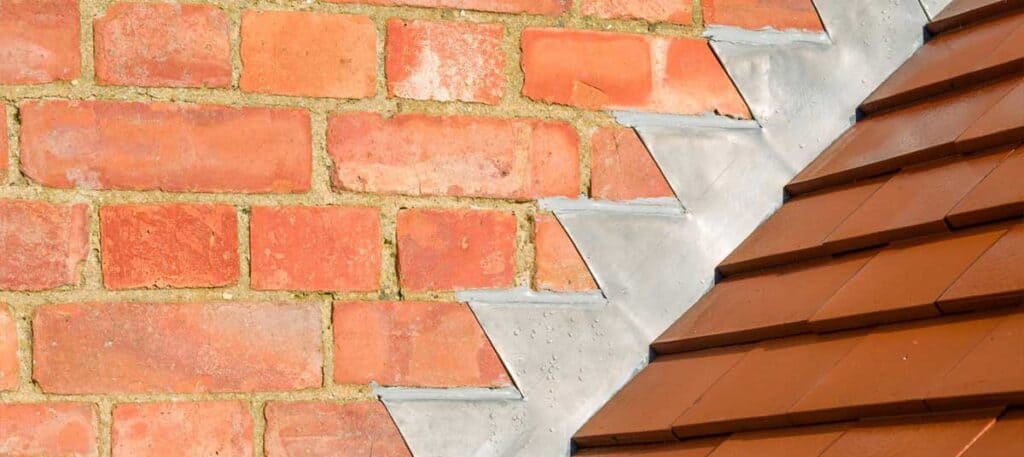
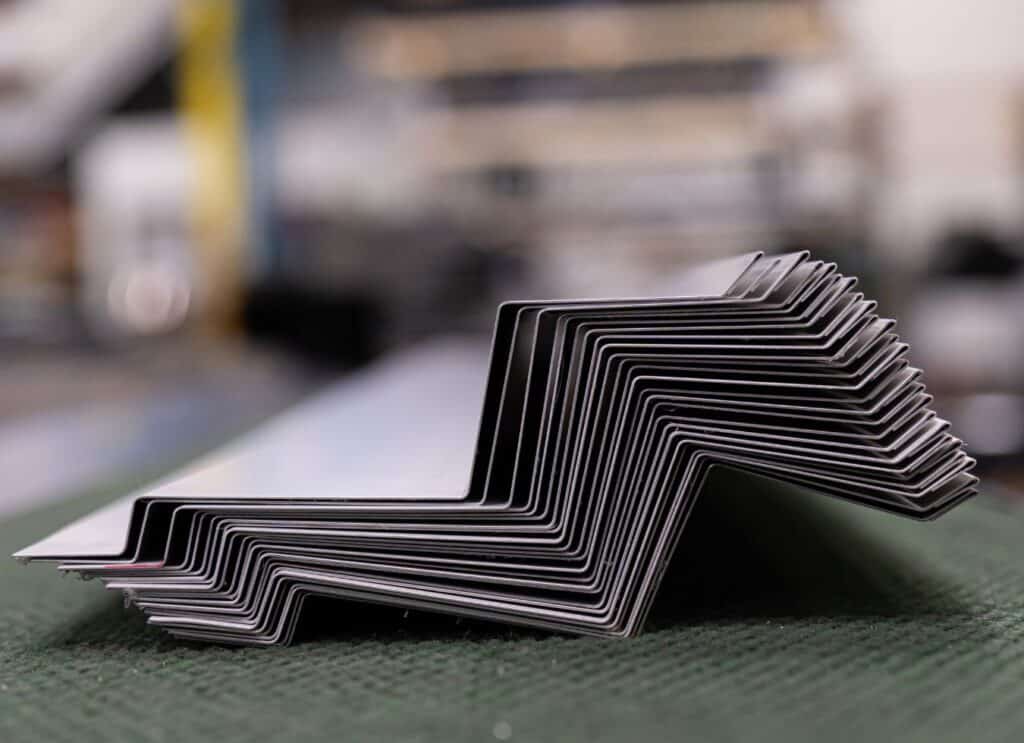
                            Roof flashing is a thin material—typically metal or, in rare cases, hard plastic—installed around roof openings and seams to direct water away from vulnerable areas. It’s like the unsung hero of your roof, essential for maintaining the overall importance of roof protection. While the shingles and tiles may be the show’s star, flashing ensures that water doesn’t slip in where it’s not supposed to.

                            Essentially, flashing is used to seal joints and seams between roofing materials and other components of your home, such as chimneys, vents, skylights, and valleys. Flashing’s primary purpose is to prevent water penetration and keep your home’s interior safe from leaks, mold, and structural damage.

                            Imagine a row of bricks in a wall—flashing acts as a protective barrier between the bricks and the water that could seep through if left unchecked. Flashing helps ensure that your roof holds up against the elements by channeling water away from these critical areas.

                            Why Flashing Is Crucial for Roof Performance

                            Water is the enemy of any roof. Over time, rain, snow, and ice can compromise your roof’s integrity, especially in areas where roofing materials meet or where penetrations (such as vents, pipe jacks, or chimneys) pierce through the roof. This is where flashing steps in to prevent moisture from creeping in.

                            The flashing system is your roof’s first line of defense against water damage. Flashing can extend your roof’s lifespan and prevent costly repairs if installed and maintained correctly. Water can infiltrate your home without blinking through seams, joints, and penetrations, leading to leaks and water damage. The worst part? Roof leaks can be sneaky—what looks like a minor issue on the surface can often be masking more significant problems hidden underneath, affecting the integrity of your roof.

                            Types of Flashing Materials and When They’re Used

                            Flashing comes in different materials, each suited for different roof types, weather conditions, and installation areas. Let’s go over the most common flashing materials and where they are typically used:

                            1. Aluminum Flashing (what is used 95% of the time)

                            Aluminum flashing is one of the most commonly used materials for roof flashing. It’s lightweight, easy to work with, and corrosion-resistant. Aluminum is an excellent option for areas with moderate climates, as it holds up well against rain and wind. However, it’s not the best choice in coastal regions with saltwater exposure, as it can corrode over time in harsh conditions.
                            Best for: Flashing around vents, skylights, chimneys, and roof valleys. Our go-to material.

                            2. Copper Flashing (for higher-end custom builds) is popular among roofing contractors for its durability and aesthetic appeal.

                            Copper flashing is known for its durability and long lifespan. It’s an excellent material for high-end homes or areas where long-term performance is crucial. Copper naturally resists corrosion and doesn’t rust, making it ideal for high-moisture areas. Over time, copper develops a beautiful green patina that many homeowners appreciate for aesthetic reasons, but its true beauty lies in its performance as a type of roof flashing.

                            Best for: Flashing around chimneys, valleys, and other critical areas on high-end or historic homes.

                            3. Galvanized Steel Flashing (also comes in baked-on enamel colors now)

                            Galvanized steel is coated with a layer of zinc to prevent rust, which makes it an affordable and sturdy option for roofing projects. It’s stronger than aluminum and more resistant to damage from impacts or heavy snow. However, galvanized steel, like aluminum, is best used in areas without excessive saltwater exposure.

                            Best for: Flashing around chimneys, vents, and roof valleys in moderate climates.

                            4. Lead Flashing (not used much in CO any longer)

                            Lead flashing is often used in older homes or situations requiring maximum durability. Lead is highly malleable, making it easy to shape around complex roof penetrations. While it’s excellent at waterproofing, lead flashing is not the most eco-friendly choice, as lead can be toxic. It’s also heavier than other materials, so it may not suit every roof type.

                            Best for: Flashing around chimneys and in areas with high moisture or wind conditions.

                            5. Rubberized Asphalt Flashing (for flat and low slope roofs)

                            Rubberized asphalt flashing is a flexible, self-adhesive material used in areas where traditional flashing materials may struggle to adhere, like around irregular roof penetrations or in extreme weather. It’s also very effective at creating a waterproof seal, which is ideal for low-slope or flat roofs.

                            Best for: Flat roofs, areas with irregular roof shapes, or areas prone to standing water.

                            How Damaged or Improperly Installed Flashing Can Lead to Leaks

                            Flashing is a small but crucial part of the roofing system. If flashing is damaged, improperly installed, or missing altogether, it can lead to some serious issues— roof leaks.

                            1. Water Penetration

                            Flashing is designed to direct water away from vulnerable areas. If it’s not installed correctly or damaged over time, water can easily seep under the shingles or tiles and travel into your home. Common leak points are around chimneys, skylights, and roof valleys. These areas are particularly vulnerable.

                            2. Mold and Mildew Growth

                            When water gets into your roof, it doesn’t just stay in one spot—it can travel down into the walls and attic, where it’s trapped in dark, warm spaces. This creates the perfect breeding ground for mold and mildew. Over time, mold can damage your home’s structural integrity and create health hazards. This is why preventing leaks through proper flashing installation is so important.

                            3. Roof Decking Rot and Structural Damage

                            If water continues to leak into your roof, it can damage the decking, insulation, and even the rafters of your home. This leads to rot, weakening the structure of your home and potentially causing expensive repairs, making timely roof replacement vital. Flashing that’s not in good condition will accelerate this process.

                            4. Ice Dams (on Eaves and Rakes)

                            In colder climates, ice dams can form when melting snow refreezes along the edges of your roof. Improperly installed flashing can exacerbate this problem, leading to water backing up under the shingles, necessitating a roof replacement. This trapped water then leaks into your home, causing damage to both the roof and the interior of your house. Keeping flashing properly sealed can help prevent ice dams from forming in the first place.

                            Common Flashing Issues and How to Spot Them

                            Now that we’ve discussed the importance of flashing and how damage can lead to leaks, let’s discuss the common flashing issues to look out for and how to spot them.

                            1. Cracked or Bent Flashing can severely compromise the integrity of your roof and should be addressed by a qualified roofer.

                            Flashing is designed to be durable, but it’s not invincible. Over time, flashing can crack or bend due to extreme weather, wear and tear, or poor installation. If the flashing is broken, water can easily slip through the seams and cause leaks, highlighting the importance of roof maintenance.

                            Signs to look for include gaps between flashing and shingles, visibly bent or cracked metal, and areas where water is pooling around the flashing.

                            2. Missing Flashing

                            Sometimes, flashing can become dislodged due to high winds or poor installation. If the flashing is missing, water has a direct pathway into your home. Even a tiny gap in flashing can lead to big problems over time, mainly if it affects the types of roof flashing used.

                            Signs to look for include exposed roof penetrations (such as around vents or chimneys), gaps in the flashing around roof seams, and water stains inside the attic or on the ceiling.
                            3. Rust or Corrosion

                            Flashing materials like galvanized steel or aluminum can rust or corrode when exposed to moisture over time. If the flashing is severely corroded, it can no longer effectively do its job.

                            Signs to look for include orange rust on metal flashing, discoloration, or flakes of rust around the flashing areas.

                            Other Popular Questions We Receive Related to the Importance of Roof Flashing and Different Types of Roof Flashing

                            Q: What is the role of roof flashing in a roof system?

                            A: Roof flashing is essential for maintaining the integrity of a roof and preventing water damage. It acts as a barrier preventing water from seeping into vulnerable areas such as chimneys, vents, and roof planes.

                            Q: Why is understanding roof flashing important for homeowners?

                            A: Understanding roof flashing is essential for homeowners because it helps them recognize the significance of proper installation and maintenance. Knowing how flashing works can help them identify potential problems before they lead to costly repairs or roof replacement.

                            Q: When should I consider replacing the roof flashing?

                            A: You should consider roof flashing replacement if you notice signs of wear, such as rust, cracks, or gaps in the flashing. Additionally, if you experience water damage or leaks in areas where flashing is installed, it may be time for a replacement.

                            Q: How can I prevent water damage related to roof flashing?

                            A: To prevent water damage related to roof flashing, ensure that your roof installation includes high-quality flashing materials and schedule regular maintenance and inspection of the flashing. This will help identify any issues early on and maintain the flashing’s effectiveness.

                            Q: What are the various types of roof flashing used in roofing?

                            A: Various roof flashing types include step flashing, apron flashing, counter flashing, and pipe flashing. Each type serves a specific purpose and is designed for different areas of your roof to protect against water intrusion.

                            Q: How can I inspect my flashing to ensure it’s functioning correctly?

                            A: To inspect your flashing, look for visible signs of damage, such as cracks or rust. Ensure that the flashing is sealed correctly and that there are no gaps. Regular inspections, especially after severe weather, can help catch any issues early.

                            Q: What should I do if I need to repair roof flashing?

                            A: To repair roof flashing, consult a qualified roofing contractor or roofer. They can assess the damage and recommend the appropriate repairs or replacement options to ensure your roof system remains watertight.

                            Q: How does roof flashing contribute to the overall lifespan of a roof?

                            A: Roof flashing contributes to a roof’s lifespan by protecting critical areas from water intrusion. Properly installed and maintained flashing prevents leaks and water damage, which can lead to more extensive issues and premature roof replacement.

                            Q: Can I perform roof installation or repair on my own, including flashing?

                            A: While some homeowners may attempt DIY roof installation or repair, including flashing, hiring a professional roofing contractor is often recommended. They have the expertise and experience to ensure that flashing is installed correctly and meets local building codes.

                            Q: Where can I learn more about roof flashing and its importance?

                            A: You can learn more about roof flashing and its importance through roofing industry websites, local roofing contractors, and home improvement resources. These sources can provide valuable information on different flashing materials and best practices for maintaining and inspecting roof flashing.

                            Conclusion: Don’t Overlook Your Flashing!

                            Roof flashing is one of those things that often gets overlooked—until it’s too late. A well-maintained flashing system can protect your roof from water damage, extend its lifespan, and keep your home dry and comfortable, underscoring the importance of roof upkeep. On the other hand, damaged or improperly installed flashing can lead to costly repairs, water damage, and mold growth.

                            Whether installing a new roof or simply inspecting your current one, pay attention to any signs of damage. It’s crucial to get it as good as possible. If you’re unsure about the condition of your flashing, it’s always a good idea to call a professional like Denny’s Roofing to assess the situation.

                            Understanding what flashing does and how it impacts your roof’s performance will better equip you to protect your home from leaks and other issues. Keep your roof in tip-top shape, and your house will last longer than industry standards. It’s not that hard.

                              Metal Roofing Pros and Cons: 7 Key Factors to Consider for Your Home

                              Regarding roofing, most homeowners are familiar with traditional materials like asphalt shingles or tiles. However, over the past few decades, metal roofing has become a serious contender—and for good reason. Whether you’re looking for durability and energy efficiency or want to make a bold statement with a sleek, modern design, metal roofs are catching the attention of homeowners everywhere. But like any home upgrade, there are pros and cons to consider before you leap to metal.

                              In this blog post, we’ll break down everything you need to know about metal roofing—from its pros to its cons—to help you decide whether it’s the right option for your home. Let’s get into it!

                              What is Metal Roofing?

                              Before we dive into the advantages and disadvantages, let’s take a moment to understand what we mean by “metal roofing.” Metal roofing can refer to a variety of materials, but the most common types include:

                              • Steel (the most popular option due to its durability and affordability. Especially here in Colorado)
                              • Aluminum (lightweight and corrosion-resistant, great for coastal areas)
                              • Copper is one popular type of metal used in premium metal roofing. (pristine aesthetic but quite expensive)
                              • Zinc (A metal roof is known for being long-lasting compared to traditional shingle roofs. and eco-friendly)
                              • Tin (a classic option, though less common today)

                              Metal roofing typically comprises interlocking panels or tiles designed to shed rain and snow while providing superior protection against the elements. These roofs are often coated with protective finishes to ensure they last for decades.

                              Pros of Metal Roofing

                              1. Durability: The Toughest Kid on the Block

                              Let’s start with the big one—durability. Metal roofs are known for their long-lasting nature and can withstand some of the harshest weather conditions you can throw at them. A metal roof may be your best friend if you live in a place prone to heavy storms, hail, or high winds. Here’s why:

                                • Hail Resistance: Metal roofs are virtually hail-proof, especially compared to traditional asphalt shingles, which can crack or break under the impact of a hailstorm. They do dent when the hail stones are big enough.
                                • Wind Resistance: Metal roofing is designed to resist high winds (up to 140 mph or more in some cases), making it ideal for areas prone to hurricanes or tornadoes.
                                • Fire Resistance: Metal roofing is non-combustible, meaning it won’t catch fire like wood or asphalt roofing, providing extra protection for your home.

                                Metal is an excellent choice for durability, whether you live in a region with extreme weather or want a roof that will withstand the test of time.

                                2. Energy Efficiency: Save Money and the Planet

                                We all want to save a little money on our energy bills, and metal roofing can help you. Here’s how:

                                • Reflective Coating: Most modern metal roofs have a reflective coating that bounces the sun’s rays away from your home, reducing heat absorption. This keeps your home cooler in the summer, reducing the need for air conditioning. Over the roof’s life, this can save you up to 25% on your energy costs.
                                • Energy Star Ratings: Many metal roofs are rated as Energy Star products, meaning they meet specific performance criteria designed to reduce energy consumption and environmental impact.

                                By installing a metal roof, you’re not only making your home more energy-efficient, but you’re also contributing to a greener planet. Talk about a win-win!

                                3. Longevity: A Roof That Can Last a Lifetime

                                Most asphalt shingles last between 15 and 30 years. Proper maintenance allows a metal roof to last longer than an asphalt shingle roof—40 to 70 years—and sometimes even longer. This extra longevity is a significant selling point for homeowners tired of dealing with costly roof replacements every few decades. Some metal roofs, like copper or zinc, can last over 100 years!

                                This means that when you invest in a metal roof, you’re not just buying a roof for today but for future generations. Plus, the cost of a metal roof can be offset by its long lifespan and minimal maintenance needs. The return on investment (ROI) is excellent, especially if you plan to stay in your home for many years.

                                4. Low Maintenance: Less Work, More Play

                                Another benefit of metal roofing is it is low maintenance. Metal roofs require less frequent attention than asphalt shingles, which can curl, crack, or be worn down by the elements.

                                • No Moss or Algae Growth: Metal roofs don’t trap moisture like asphalt shingles, so there’s less chance of moss, algae, or mold developing. This is especially important in damp or shaded areas.
                                • Minimal Repairs: While regular inspections are always a good idea, metal roofs generally require less maintenance than other roofing materials. They’re built to withstand the elements for the long haul.

                                  With a metal roof, you’ll spend less time worrying about repairs and more time enjoying your home.

                                  Cons of Metal Roofing

                                  As with any major home improvement decision, there are a few downsides. However, the benefits of a metal roof often outweigh the disadvantages. Let’s take a look at the most common concerns.

                                  1. Cost: The Price Tag Can Be Steep

                                  One of the most significant drawbacks of metal roofing is the upfront cost. While the price has decreased, metal roofing is still more expensive than traditional roofing materials like asphalt shingles.

                                  • Installation Costs: Depending on your chosen material, metal roofing materials cost between $5 and $12 per square foot. However, the price can rise significantly when you factor in installation costs.
                                  • Installation Complexity: Metal roofing requires skilled installation. Hiring and hiring cons are crucial to ensure that it’s properly sealed and fastened. Y is crucial. You may also need a specialized contractor, which can add to the overall cost.

                                    However, it’s important to remember that the long-term savings (due to fewer repairs and increased energy efficiency) often outweigh the initial investment. Plus, if you plan to stay in your home for many years, you’ll get your money’s worth.

                                    2. Noise: The Pitter-Patter of Rain

                                    A common concern with metal roofing is the noise. When it rains, snows, or hails, the sound of the water hitting the metal can be loud. Some homeowners find this soothing, but others prefer the quiet hush of a traditional roof.

                                    Fortunately, modern metal roofs often have insulation layers to help reduce noise. If this concerns you, ask your contractor about soundproofing options for your new roof.

                                      While metal roofs can be noisy during storms, the added insulation and proper installation can significantly reduce this issue.

                                      3. Installation Complexity: Not a DIY Job

                                      As mentioned earlier, installing a metal roof is more complex than installing asphalt shingles. The panels must be aligned, sealed, and fastened to avoid leaks. If you’re considering a DIY installation, think twice. Metal roofing installation requires specialized knowledge and tools.

                                      Hiring a professional roofing contractor with experience in metal roofs can avoid installation problems and ensure the roof is installed correctly. However, this adds to the overall cost.

                                        Generally, metal roofs should be installed by professionals who understand the specific type of roofing required. Professionals to ensure long-lasting performance and avoid costly mistakes.

                                        Is Metal Roofing Right for You?

                                        Now that you’re armed with all the pros and cons of metal roofing, how do you know if it’s the right choice for your home? Here are some questions to ask yourself:

                                        • Do you live in an area with harsh weather conditions? A metal roof could offer the durability you need if you’re in a region prone to heavy snow, hail, or high winds.
                                        • How long do you plan to stay in your home? A metal roof’s long lifespan makes it an excellent investment if you plan to stay for the next 40+ years.
                                        • Are you okay with the initial investment? While the upfront cost is higher, metal roofing’s energy efficiency and long-term durability make it a wise financial decision.

                                        Ultimately, metal roofing is an excellent choice for homeowners looking for a durable, energy-efficient, low-maintenance solution that will last decades. While the upfront cost can be high, the long-term benefits are well worth it for many.

                                        Other Popular Questions We Receive Related To Residential Roofing and Roof Types

                                        Q: What are the pros and cons of metal roofing?

                                        A: Metal roofing has several advantages, including durability, longevity, and energy efficiency. It can last 40-70 years, is resistant to extreme weather, and can reflect solar heat, reducing cooling costs. However, it also has some disadvantages, including a higher initial cost than other roofing materials, potential noise during rain, and the possibility of expansion and contraction, leading to fastener loosening.

                                        Q: What type of metal is best for roofing?

                                        A: The best type of metal for roofing depends on your specific needs. Steel roofing is popular for its strength and affordability, while aluminum is lightweight and corrosion-resistant. Copper and zinc are also options, known for their aesthetic appeal and longevity. Each type of metal roof has its benefits and drawbacks.

                                        Q: How much does a metal roof cost?

                                        A: The cost of metal roofs can vary significantly based on the type of metal, installation complexity, and geographic location. On average, metal roof installation can range from $5 to $12 per square foot, which is higher than traditional roofing materials but offers long-term savings due to durability and energy efficiency.

                                        Q: What are the benefits of metal roofs?

                                        A: Metal roofs have many benefits, including longevity, energy efficiency, and resistance to weather conditions. They also reflect solar heat, which can lower cooling costs. Metal roofs require less maintenance than other roof materials and can be recycled at the end of their life cycle.

                                        Q: What are some common FAQs about metal roofing?

                                        A: Common FAQs about metal roofing include questions about the longevity of metal roofs, installation processes, and how they compare to other roofing materials. Many homeowners also inquire about the noise level during rain and whether they can install solar panels on metal roofs.

                                        Q: What is the disadvantage of metal roofing?

                                        A: Metal roofing has several disadvantages, including a higher upfront cost than traditional roofing materials. Additionally, metal roofs can be prone to denting from hail or falling branches and may require special installation techniques to prevent noise and expansion issues.

                                        Q: How does a metal roof affect energy efficiency?

                                        A: Metal roofs can significantly improve energy efficiency by reflecting solar heat, helping keep homes more remarkable in the summer. This can reduce air conditioning energy costs. Additionally, metal roofs’ longevity means less frequent replacements, contributing to overall sustainability.

                                        Q: What are the pros and cons of metal roofing compared to other roofing materials?

                                        A: Metal roofing offers superior longevity and durability compared to other roofing materials. However, the initial cost is typically higher than asphalt shingles or wood. Metal roofs are also more resistant to extreme weather conditions, while traditional materials may require more maintenance over time.

                                        Q: Can I install solar panels on a metal roof?

                                        A: Yes, you can install solar panels on a metal roof. Many metal roofs, such as standing seam metal roofs, are particularly well-suited for solar panel installation because they allow for easy mounting without penetrating the roof material, which can prevent leaks.

                                        Conclusion: A Roof That Stands the Test of Time

                                        Choosing the right roofing material is a big decision. Still, metal roofing could be the perfect option for your home if you’re looking for a roof that offers unbeatable durability, energy efficiency, and a long lifespan. Sure, there are a few downsides—like the initial cost and installation complexity—but the benefits often outweigh these.

                                        So, whether upgrading your current roof or building a new one, consider metal roofing an investment in your home’s future. After all, a roof is one of the most essential parts of your home, and you want one that will last!

                                        Have questions? Call Denny’s Roofing, and let’s chat to determine whether metal roofing is the right fit for your home and get you started on your roofing journey today!

                                        Essential Guide to Filing an Insurance Claim for Roof Damage

                                        Ah, summer storms may bring much-needed rain to your garden or offer that cozy thunderstorm vibe for a night in, but they can also wreak havoc on your roof. Whether it’s hail, wind, or heavy rain, your roof takes the brunt of the damage when it’s extreme. And once the storm clears, you’re left with a critical question once you know that you have damage: How do I file a roofing claim?

                                        If you’re feeling overwhelmed at the thought of dealing with insurance, don’t worry—you’re not alone. Filing a roof damage claim after a storm can seem like navigating a maze of paperwork, estimates, and adjuster appointments. But with the proper preparation, a little know-how, and some patience, you can get the help you need to restore your home to its pre-storm condition—and potentially save money.

                                        In this comprehensive guide, we’ll walk you through the entire process of filing a damage insurance claim, from documenting the damage to working with your insurance adjuster and choosing the right contractor. Let’s dive in!

                                        Step 1: Assessing the Storm Damage to Your Roof

                                        First things first: before you even think about picking up the phone, call your insurance company, take a deep breath, and assess the damage. Your insurance claim’s success will rely heavily on how thoroughly and accurately the roof damage is documented. Here’s how you can file an insurance claim for roof damage after a storm:

                                        1.1. Don’t Rush Out Immediately

                                        You might be itching to check your roof right away during a storm. However, safety is key. If the storm is still active or there’s a chance of additional weather events, wait until the weather clears, and it’s safe to go outside. Never attempt to inspect your roof during active storms or when conditions are unsafe.

                                        There… we said it.

                                        1.2. Look for Obvious Signs of Damage

                                        Start by inspecting the roof from the ground level. Walk around the house and look for damage. For the roof, you can use binoculars if you have them to avoid unnecessary climbing, or if you have a second story, you can look out the windows that overlook your roof, other windows, siding, and more. Look for noticeable signs of damage like:

                                        • Missing shingles or tiles
                                        • Bent or broken metal flashing
                                        • Dents or cracks in shingles, especially from hail
                                        • Cracked or missing gutter sections
                                        • Water stains inside the home, which could signal leaks
                                        • Broken window panes
                                        • Hail splatter marks on siding and fencing
                                        • Paint dents or chips

                                        1.3. Document the Damage

                                        Take clear, dated photos from multiple angles to document the damage. Be sure to include:

                                        • Wide shots of the roof from different angles
                                        • Close-up shots of damaged shingles, tiles, or metal roofing
                                        • Any other affected areas, such as gutters or fascia
                                        • Interior shots showing water leaks (if any)
                                        • Look at the windows, siding, and paint to see if there is other damage

                                        Don’t forget to take a few wide shots of your neighborhood. If a storm affected multiple homes in your area, showing that hail damage is widespread can help validate your insurance claim for roof damage.

                                        Tip: If you can’t safely access your roof or don’t feel comfortable doing so, call a professional roofing contractor like Denny’s Roofing to inspect it. You don’t need to go up there. We Inspect immediately and perform the initial inspection for FREE.

                                        We will also help document inspection damage with a professional eye and provide an idea of what your insurance company will come up with as a “scope of work” estimate for repairs.

                                        Step 2: Contact Your Insurance Company

                                        Once the damage is documented and an expert Project Manager from Denny’s Roofing inspects your roof, we will inform you that it’s time to contact your insurance company. It’s essential to act promptly if you have extreme damage — and many insurers have time limits for filing storm damage claims. Most are at least a year from the date of loss, and State Farm even gives you two years to complete repairs. So, make sure you file your claim promptly after the storm.

                                        Again, talk to your Denny’s Roofing Project Manager so that they can give you a good idea of when to file a claim. Please don’t do it until you confirm the damage with an expert who knows what to look for.

                                        2.1. Know Your Policy

                                        Before you call your insurer, take a few minutes to review your homeowner’s insurance policy if you have it. Look for these key sections:

                                        • Coverage for storm damage: Some policies may only cover particular storms (e.g., hail or wind).
                                        • Deductibles: Depending on the policy, you may have a higher deductible for roof damage due to storms. Know how much you’ll need to pay out-of-pocket before your coverage kicks in.
                                        • Exclusions: Check for any exclusions oration that would prevent storm-related damage from being covered (like wear and tear, neglect, etc.)

                                        It’s always good to be informed so you know what to expect when talking with your claim adjuster when they come out to inspect their records. If you are unsure what to look for in your policy, you can call your insurance agent, talk to the claims agent, or call us at Denny’s Roofing, and we will explain it all to you.

                                        We are experts in the insurance claims process. We even have people in our office who only deal with Insurance claims. It’s a daunting process at first, but take one step at a time and contact us so we can help you.

                                        2.2. Make the Call

                                        Once you’re ready, contact your insurance company to file your claim. You can typically do this by calling their claims department or using their online portal if they have one.

                                        When speaking with the representative, be sure to provide:

                                        • The date and time of the storm (if you don’t know it – your Project Manager will)
                                        • Your policy number
                                        • Details about the damage. Be specific. Mention the roof damage you’ve noticed, including missing shingles, cracks, leaks, etc.

                                        Don’t be afraid to ask questions about the claims process—this is your home, and you want to ensure everything is handled correctly. Ask how long the process will take, what documents are required, and how to schedule the inspection.

                                        Step 3: Work with Your Adjuster

                                        After the inspection claim, the next step will be talking with an insurance adjuster from your carrier that will be assigned to your claim. An adjuster is a professional from your carrier who will inspect the damage, assess the cost of repairs, and determine whether your claim is approved. They will document as much damage as they can find. They also miss items that should be included in their initial estimate.

                                        3.1. Schedule the Adjuster’s Visit

                                        The insurance company will assign a Field Adjuster to visit your home to evaluate the damage. We highly recommend having a Denny’s Roofing Project Manager at the InsInspection to ensure your insurance adjusts and inspects the damage you and your Project Manager see. It’s good if you are home for the inspection. You can walk through the damage with the inspection manager and answer any questions they may have. And if you can’t attend, Denny or someone on his team will be there to ensure it all goes as it should. You will have expert representation from a licensed roofing company. We promise.

                                        3.2. Be Prepared to Answer Questions

                                        When you talk to your adjuster before coming out, they may ask you questions about the storm and the damage to your roof. Be honest and thorough, but keep in mind that they are looking for specific details about the damage, so:

                                        • Don’t overstate the damage: Only mention what you have documented.
                                        • Be clear about the storm’s severity: If you live in an area known for hail or wind, highlight the storm’s strength. They will know how damaging the storm was when they get out to look. They will have pulled specific reports and most likely have done other inspections of one of your neighbor’s damage, too. Each home is different because of the materials used on your roof. So, you may or may not be affected just because you see other folks having issues.

                                        3.3. Understand the Adjuster’s Report

                                        After the inspection, the adjuster will write a report and inspect your insurance company. This report will include an estimate of the repair costs. You should receive a copy of this report detailing what’s covered, how much the insurance company is willing to pay based on what they have inspected, any exclusions, and any areas that might require what are called “supplements.” These expenses will be added to the claim as your Contractor proceeds with the repairs.

                                        Tip: If you or our Project Manager disagree with the adjuster’s findings or the estimate seems too low, your Project Manager will see the issue and challenge the decision on your behalf. Don’t be afraid to bring us in to be your advocate as a professional and provide an expert opinion if you haven’t already done so.

                                        Step 4: Hire a Roofing Contractor

                                        Once your insurance company has approved your claim, you can officially hire us as your contractor by signing a contract for the specific work and using the Insurance company’s Estimate to make the repairs.
                                        The fun part begins with choosing the right roofing contractor, like Denny’s Roofing, to fix the damage. The key is finding someone who’s experienced, reliable, and, preferably, already working with your insurance company and a good communicator.

                                        4.1. Should I Get Multiple Estimates?

                                        Roofing repairs with an insurance claim differ from regular construction, especially if you have received a recommendation from your Insurance Agent or a friend. Recommended Contractors have been vetted and will do great if you get along with them.

                                        Please do not hire a door-knocking contractor without doing your homework. Make sure they are local to Colorado and have a good reputation. Storm chasers from out of state come and go. Do not make that mistake.

                                        Suppose you don’t have someone who highly recommended it. In that case, it can be a good idea to get at least two or three companies to send out representatives who can look at your roof and give you their opinion to get a feel for how they see your claim, especially if you have picked up your contractor off the internet. This gives you a better sense of their process.

                                        All Insurance claims are paid out at the same rates based on local labor and material costs configured into the estimate. So, getting an estimate after you have received one from your homeowner’s insurance company is redundant. Remember, however, that price shouldn’t necessarily be a consideration—look for a contractor with a solid reputation for quality work and someone who is professional and responsive.

                                        Your Insurance company fixes pricing. Contractors all get paid the same thing.

                                        4.2. Work with an Insurance-Friendly Contractor

                                        Many roofing contractors have experience working with insurance claims. They understand how the process works and can help guide you through it. A good contractor will:

                                        • Look for vetted sub-contractors (if needed) who are licensed and insured
                                        • Ensure that your claim is processed promptly so the repairs can be completed
                                        • Offer an artistry warranty on the new roof

                                        4.3. Understand Your Deductible

                                        When you receive the estimate from the contractor and have an RCV policy, remember that your insurance company will typically only cover the cost of the repairs after your deductible is applied. If your deductible is $1,000, for example, and the repairs are estimated at $5,000, you’ll pay $1,000 out-of-pocket, and your insurance will cover the remaining $4,000.

                                        Not sure… Contact your Denny’s Roofing Project Manager for help.

                                        Step 5: Finalizing the Claim and Repairs

                                        Once you’ve chosen a contractor and signed a contract authorizing them as your Roofer/Contractor, they will get a permit from the city or county to begin the roof repairs. Be sure to communicate with your contractor and insurance adjuster throughout the process. After the repairs are completed, you’ll need to have your contractor submit the final invoice to your insurance company to release your depreciation, which the insurance agency has held back to ensure that you completed the majority of the repairs.

                                        5.1. Review the Final Invoice

                                        Ensure the final invoice matches the estimate provided and that all the work has been completed to your satisfaction. Go over the line items in the insurance estimate with your Contractor. Once your insurance company receives the invoice, they will pay the remaining balance. They will send you a check that you can then pay your contractor.

                                        Other Popular Questions We Receive About Roof Replacement and Roof Storm Damage

                                        Q: What should I do as soon as I suspect roof damage?

                                        A: As soon as you suspect roof damage, it’s essential to document the damage and contact your insurance company to understand your insurance policy regarding roof damage. This will help you prepare to file a claim if necessary.

                                        Q: How do I file a roof damage insurance claim?

                                        A: To file a roof damage insurance claim, document the damage with photos and a detailed description. Then, contact your insurance company to initiate the claim process and provide the necessary information to file a claim.

                                        Q: What types of roof damage are typically covered under a homeowners insurance policy?

                                        A: Homeowners insurance typically covers roof damage caused by specific events such as hail, wind, and other natural disasters. However, it’s essential to review your policy to understand the types of damage covered.

                                        Q: How long must I file an insurance claim for roof damage?

                                        A: The deadline for filing an insurance claim for roof damage varies by insurance company and policy, but it’s generally advisable to file claims as soon as possible. Check your policy for specific timelines and requirements.

                                        Q: What can I expect during the insurance claim process for roof damage?

                                        A: During the insurance claim process for roof damage, an insurance adjuster will assess the extent of the damage and determine the cost value of your roof. They’ll either approve your claim or explain if it’s denied.

                                        Q: Can I get a second opinion on the damage before filing a claim?

                                        A: You can get a second opinion on the roof damage before filing a claim. This can be helpful to ensure you have a clear understanding of the extent of the damage and the necessary repairs before you file a roof damage insurance claim.

                                        Q: What happens if my insurance company only pays the depreciated value of my roof?

                                        A: If your insurance company only pays the depreciated value of your roof, you may need to cover the difference if you choose to replace your entire roof. Understanding how your homeowner’s insurance policy calculates the depreciated value and what that means for your claim is essential.

                                        Q: What should I include when documenting the damage for my claim?

                                        A: When documenting the damage for your claim, include clear photos, a written description of the signs of storm damage, and any estimates you have received for repairs. This information will support your roof damage insurance claim.

                                        Q: Is filing an insurance claim for minor roof damage necessary?

                                        A: It may not be necessary to file an insurance claim for minor roof damage, especially if the cost of repairs is less than your deductible. However, weighing the long-term implications and consulting with your insurance company regarding the best course of action is essential.

                                        Conclusion: A Smoother Roof Claim Process

                                        Filing a roofing claim after storm damage may seem like a complex and stressful process, but with the right approach, it can go smoothly, especially if you have a licensed roofing company to assist you. By documenting the damage carefully, understanding your policy, and working closely with your adjuster and contractor, you can ensure that your roof gets the repairs it needs— without the possible headaches that can arise.

                                        Hire Denny’s Roofing to guide you through the process.

                                        You will be glad you did.

                                        And remember: storms come and go, but a well-maintained roof is your home’s best line of defense. Regular roof inspections and timely repairs will ensure that your home stays safe, no matter what Mother Nature throws your way.

                                        Best Roof for Hail Storms: Top Hail-Resistant Roofing Types Explained

                                        When protecting your home, your roof is truly the MVP. It stands guard against rain, wind, snow, sun, and, of course, hail. If you live in a hail-prone area, you’re probably all too familiar with the anxiety accompanying a thunderstorm during hail season — wondering if today’s weather will leave your roof battered or even seriously damaged. This is a relatively common occurrence here on Colorado’s Front Range.

                                        Here’s the thing: Not all roofs are created equal regarding hail resistance. Whether you’re replacing your roof after a storm or just looking to upgrade before the next one hits, the material you choose will significantly impact how well your roof stands up to hail. But how do you know the best roofing material for hail-prone areas?

                                        This guide will compare the top roofing materials—asphalt shingles, metal, and tile—regarding their hail resistance and other essential factors. We’ll also discuss how to choose the right material based on where you live, plus the pros and cons of each material regarding extreme weather. Buckle up! We’re about to dive into the world of roofing materials in a way that’s informative, fun, and, dare we say, a little playful.

                                        Hail 101: Why Does It Matter?

                                        Before we get into the materials, let’s quickly talk about hail.

                                        It’s one of Mother Nature’s more unpredictable challenges, especially during a hail storm. Hailstones can vary significantly, from tiny pea-sized pebbles to golf-ball-sized stones. And every once in a great while… our area gets hit by softball-sized monster hail stones that can cause massive damage.

                                        According to the National Weather Service, hail causes more than $1 billion in property damage yearly in the U.S. alone. And it seems to be hailing more often because of the jet stream over the Colorado Front Range.

                                        The severity of hail damage to your roof depends on several factors: the size of the hailstones, the hardness of the hailstones, the speed of the wind, the age of your roof, and the roofing material itself. This is why choosing and investing in hail-resistant roofing material can save homeowners from costly repairs after a hail storm. It is so vital in hail-prone areas. It could save you thousands of dollars in repairs and insurance claims.

                                        So, let’s explore the three most common roofing materials and see how they fare for hail damage.

                                        Asphalt Shingles: The Classic Go-To Option

                                        Hail Resistance:

                                        Asphalt shingles are one of the most popular roofing materials in the U.S., and for good reason. They’re affordable, widely available, and come in various styles. However, when it comes to hail, they’re not the strongest contender on the block. Standard asphalt shingles typically handle hail reasonably well, but hail damage is standard on older roofs because of the older shingle construction. The shingles may crack or bruise, leading to leaks or the need for repair.

                                        Class 4 impact-resistant asphalt shingles are designed to resist hail and provide excellent protection. (the highest-rated level for impact resistance) can provide extra protection against hail, with some models even certified to withstand hailstones up to 2 inches in diameter, depending on the hardness of the stone.

                                        If you live in a hail-prone area and want asphalt shingles, you should look for Class 4-rated shingles. They offer better protection against hail compared to standard shingles.

                                        We ALSO want to share that some brands of Class 4 Shingles are better than others based on our professional opinion. We have seen it over and over where even though shingles are UL-rated Class 4 IR shingles – when they are placed right next to each other, some perform better than others. Contact us so that we can suggest the best shingles on the market. We like them so much that we are Certified Installers of several shingle manufacturers that we think are the best in the biz.

                                        Shingle technologies have been changing over the last 10 years and are improving. We can help explain how.

                                        Pros:

                                        • Affordable: Asphalt shingles are one of the most cost-effective roofing materials.
                                        • Variety of Styles: You can choose various colors, styles, and textures.
                                        • Energy-Efficient Options: Many asphalt shingles are designed to reflect heat, helping to keep your home cooler in the summer.
                                        • More straightforward to Repair: Asphalt shingles are relatively easy and inexpensive to repair if you do have damage.

                                        Cons:

                                        • Hail Damage: Standard asphalt shingles aren’t the most durable in the face of hail. Especially if not rated Class 3 or Class 4 IR shingles, they can crack or dent with larger hailstones, mainly if the impact rating is low.
                                        • Shorter Lifespan: Asphalt shingles typically last 15 to 20 years, depending on the quality and weather conditions. This is shorter than the lifespan of some materials, such as metal or tile.
                                        • Environmental Impact: Asphalt shingles are also not the most eco-friendly roofing material, as they are made from petroleum products.

                                        Best For:

                                        • Homeowners on a budget who want decent hail protection.
                                        • Areas with mild to moderate hail conditions still want some impact resistance.

                                        Metal Roofing: The Durable, Long-Lasting Champion

                                        Hail Resistance:

                                        Metal roofing is an excellent choice if you live in a region with frequent hailstorms. Metal roofs are highly durable and can withstand hailstones as large as 2 inches or more without showing much damage. Many metal roofs are rated to resist impact from larger hailstones and strong winds. The smooth surface of metal roofing also prevents debris from settling, which can prevent further damage from future storms.
                                        The great thing about metal roofing is that it’s available in different styles—standing seam, pro-panel, corrugated, or shingle-style metal—and various colors, so you don’t have to sacrifice aesthetics for strength.

                                        Pros:

                                        • Hail-Resistant: Metal roofs are excellent at withstanding hail and extreme weather conditions, including high winds and heavy rain.
                                        • Longevity: Metal roofs last 40 to 70 years, making them a long-term investment.
                                        • Energy-Efficient: If insulated correctly, metal reflects sunlight, helping reduce energy costs and keeping homes cooler in summer.
                                        • Minimal Maintenance: Once installed, metal roofs require little upkeep and are resistant to rust and corrosion.

                                        Cons:

                                        • Upfront CostWhile metal roofs last longer, they have a higher upfront cost than other types of roofs, such as asphalt shingles or sometimes tile.
                                        • Noise: During heavy rain or hailstorms, metal roofs can be noisy. However, this can be mitigated by adding insulation or additional roofing underlayment.
                                        • Denting: Though hail-resistant, large hailstones or sharp impacts may still cause dents or cosmetic damage to some metal roofing options.

                                        Best For:

                                        • Homeowners in hail-prone areas who want durability and longevity.
                                        • Those willing to invest more upfront for a long-term solution.

                                        Tile Roofing: The Classic, Beautiful, and Strong Option

                                        Hail Resistance:

                                        Tile roofs, especially those made from clay or concrete, are another excellent option for hail-prone areas. They are known for their beauty and durability. However, when it comes to hail resistance, tile roofs are tricky. They can withstand large hailstones, and their thick structure means they won’t easily crack or dent from more minor hail.The downside is that tiles can be more fragile than metal roofs. The tiles may crack or break if hailstones are huge, leading to costly repairs. However, since the underlying roofing structure (underlayment) is still intact, the damage won’t necessarily affect the roof’s overall waterproofing ability.

                                        Pros:

                                        • Very Durable: Tile roofs are incredibly long-lasting and can endure extreme weather conditions.
                                        • Hail-Resistant: Especially clay and concrete tiles, which are built to withstand significant impacts.
                                        • Energy-Efficient: Tile roofs offer excellent insulation, keeping your home cooler in the summer and warmer in the winter.
                                        • Aesthetic Appeal: Tile roofing is often more aesthetically pleasing, offering a classic Mediterranean or Spanish-style look.

                                        Cons:

                                        • Fragile: While tiles are durable, they can crack under impact from large hailstones or heavy debris.
                                        • Heavy: Tile roofs are much heavier than asphalt or metal, so your home’s structure may need to be reinforced before installation.
                                        • Cost: Depending on the type of tile chosen, tile roofs are more expensive than asphalt shingles and may cost more to install than metal roofs.
                                        • Expensive Repairs: While the underlayment may remain intact, tile replacement is costly and time-consuming.

                                        Best For:

                                        • Homeowners are looking for a durable, aesthetic roof that will withstand hailstorms.
                                        • Those who live in hail-prone areas with frequent or severe storms.

                                        How to Choose the Right Roofing Material for Your Area

                                        Choosing the best roofing material for your home depends heavily on your geographic location and the weather your roof will face. Here’s a quick guide to help you choose the right roofing material for hail-prone areas, focusing on their ability to withstand hail impact.

                                        Consider Your Climate:

                                        • Hail Frequency: If you live in a hail belt area (think Colorado, Nebraska, Kansas, or Texas), invest in a material that can withstand hailstones as more sive or ficant than half ball.
                                        • Wind Conditions: High winds often bring hail, so ensure your roofing material can handle gusts. Metal and tile roofs tend to fare better in high winds, and the newer shingle technologies are improving.
                                        • Temperature Extremes: Extreme heat and cold can crack or damage asphalt shingles and tiles. Metal and tile are better equipped to handle these extreme weather shifts.

                                        Budget vs. Durability:

                                        • If you’re on a budget, asphalt shingles (particularly Class 4 impact-rated shingles) can provide good protection at a lower cost.
                                        • Metal or tile roofing may be worth the investment if you want something that lasts and offers excellent hail resistance.

                                        Other Popular Questions We Receive Related to Roofing Products and Synthetic Roofing Materials.

                                        Q: What is a hail-resistant roof?

                                        A hail-resistant roof is designed to withstand the impact of hailstones without sustaining significant damage. It often has a higher impact rating, such as a class 4 rating, which indicates its effectiveness in resisting hail damage.

                                        Q: What is the best roof for hail-prone areas?

                                        A: The best roofs for hail-prone areas include impact-resistant shingles, rubber, and metal roofs. These materials are known for their durability and resistance to hail damage, making them ideal for protecting your roof during hail storms.

                                        Q: How can I protect my roof from hail?

                                        A: Consider installing hail-resistant roofing materials like class 4 impact-resistant shingles or metal roofing to protect your roof from hail. Regular maintenance and inspections can also help identify and address vulnerabilities before a storm occurs.

                                        Q: What is the difference between hail-proof and hail-resistant roofs?

                                        A: A hail-resistant roof is designed to minimize damage from hail, while a hail-proof roof implies a higher level of protection that can withstand severe hail impacts without any damage. However, it’s important to note that no roof is entirely hail-proof.

                                        Q: What type of roof is best for hail storms?

                                        A: The best roofing material for hail storms includes options with a class 4 hail rating, such as impact-resistant shingles, rubber roofs, and slate or tile roofs. These materials are specifically engineered to withstand large hail and help prevent roof damage.

                                        Q: How does hail damage affect roof repair costs?

                                        A: Hail damage can lead to significant roof repair costs, depending on the severity of the damage and the type of roof you have. Roofing contractors often assess the extent of the damage to provide an accurate repair estimate, which can vary widely based on the roofing system and materials used.

                                        Q: What is a class 4 hail rating?

                                        A: A class 4 hail rating is the highest impact resistance rating for roofing materials. It indicates that the roofing can withstand impacts from hailstones up to 2 inches in diameter, equivalent to the effect of a steel ball dropped from a height of 20 feet.

                                        Q: Are there any warranties available for hail-resistant roofs?

                                        A: Yes, many manufacturers offer hail warranties for hail-resistant roofing materials. These warranties can provide coverage for repairs or replacements due to hail damage, but it’s essential to read the terms carefully to understand the coverage details.

                                        Q: Can slate and tile roofs withstand hail?

                                        A: Slate and tile roofs are known for their durability and can effectively withstand hail impacts. However, the performance can vary depending on the quality of the materials and installation, so choosing reputable roofing is essential.

                                        Q: How can I choose the best roofing material for hail?

                                        A: When choosing the best roofing material for hail, consider the impact resistance rating, durability, and maintenance requirements. Consulting with a knowledgeable roofing contractor can help you evaluate your options and select the best roof for hail-prone areas.

                                        Conclusion: Roof Like a Pro

                                        Choosing the right roof material for hail-prone areas is a big decision. It all comes down to balancing cost, durability, and aesthetic appeal.

                                        Asphalt shingles are an excellent option for budget-conscious homeowners who want reasonable hail protection.

                                        Metal roofs in some geographic regions can be a GREAT choice.

                                        At Denny’s Roofing, as insurance companies often recommend durable roofing options, we specialize in helping homeowners navigate these decisions. If you’re unsure about the condition of your roof, we offer free roof inspections to help you make an informed decision. Our team of roofing experts will assess your roof and walk you through your options so you can make the best choice for your home and budget.

                                        Ready to schedule your roof inspection? Call us at 970-275-4012 or email us at denny@dennysroofing.com. We’re here to help!

                                        Warning Signs You Need a New Roof: Essential Roof Replacement Tips

                                        Your roof: the unsung hero of your home, silently working day and night to protect you from the elements. But, like any hardworking feature of your home, your roof doesn’t last forever. Whether you’ve been in your home for years or you’re just starting to notice a few problems, it’s important to know when your roof has reached the end of its life.

                                        If you’re asking yourself, “Is it time to replace my roof?” — you’re not alone. Many homeowners are in the same boat, unsure whether the issues they’re noticing are signs of normal wear and tear or the need for a full replacement. Here’s the thing: roofs don’t last forever. So, understanding the key signs that your roof is nearing the end of its life is essential. Not only can this help prevent more extensive damage, but it can also save you big bucks in the long run.

                                        In this post, we’ll walk you through the most common signs that your roof is ready for retirement, share some common roofing issues, and help you understand when it’s better to repair your roof versus when it’s time for a full replacement. We’ll also sprinkle in some humor and real-world advice to keep you informed and entertained along the way. Let’s dive in!

                                        The Life Expectancy of Your Roof

                                        Before we get into the specifics of identifying when it’s time for a roof replacement, let’s start with a simple question: How long does a roof actually last?

                                        The answer depends on several factors, including the type of roofing material, the quality of the installation, and the climate your roof is exposed to. Here’s a quick breakdown of the warning signs you need to inspect your roof.

                                        • Asphalt Shingles: 20-30 years, depending on the quality (e.g., standard vs. architectural shingles)
                                        • Wood Shingles or Shakes: 30-50 years (with proper maintenance) Not a good idea to put them on in Colorado any longer because of growing fire danger.
                                        • Metal Roofs: 40-70 years (great investment for longevity)
                                        • Tile Roofs: 50-100 years (super durable, but pricey upfront)
                                        • Slate Roofs: 75-100+ years (if you have a slate roof, you’re living the high life!)

                                        Now that you know what to expect in terms of lifespan, let’s take a closer look at the signs that your roof may be on its last legs. If it could talk… it would tell you. But since it can’t… here is what to look for.

                                        Signs Your Roof is Nearing the End of Its Life

                                        1. Missing or Curling Shingles

                                        One of the most obvious signs that your roof may need replacing is missing, curling, or signs of roof damage. buckling shingles. Shingles are designed to lie flat on the roof, providing a protective layer against the elements. But over time, they can curl, crack, or fall off entirely. If you notice a few shingles missing or curled edges, that’s an early sign of roof deterioration. A single missing shingle is an easy fix, but if you find that multiple damaged shingles are present, you might need a whole new roof.

                                        Pro Tip: If you see shingles that are curled, cracking, or buckling, it could also indicate that your roof is showing signs you need a new roof, there’s mold, or that there’s excessive moisture in your attic or under your roof. Either way, it’s a sign that things are wearing out.

                                        2. Leaks and Water Stains

                                        Leaking is one of the biggest red flags that your roof needs attention. If you notice water stains or dampness on your ceiling, walls, or attic, it’s a surefire sign that you need to inspect your roof. Small leaks can be a sign that you need a new roof. They can sometimes be repaired, but if the damage is extensive or multiple leaks are present, it’s a clear indicator that your roof needs replacing.

                                        Water damage can also lead to mold and mildew growth, which can cause health issues and further damage your home. So, if you spot leaks or water stains, don’t ignore them — get a professional roof inspection immediately!

                                        3. Damaged Flashing

                                        Flashing is the material around roof features such as chimneys, skylights, vents, and eaves and rakes are designed to prevent water from seeping in around these openings. Rust on the flashing is a warning sign you need to inspect your roof. Over time, flashing can crack, or shift out of place, which compromises the integrity of your roof being protected properly. Damaged flashing can lead to warning signs you need a new roof, like leaks, water penetration, and eventually wood rot.

                                        If you notice that your flashing is damaged or deteriorating, it’s essential to have it inspected. Depending on the damage, flashing issues can sometimes be repaired, but if they’re widespread, it may be a sign of a more significant problem.

                                        4. Inspect your roof regularly for any signs of roof damage. Granules in the Gutters

                                        When asphalt shingles begin to deteriorate, or have been hit by multiple hail and wind storms the protective granules start to wear off. This often shows up as small sand like granules in your gutters, which were once part of your shingles’ protective coating. Granule loss is a sign of aging shingles that have lost their ability to protect against UV rays, rain, and other weather elements. If you notice large amounts of granules in your gutters, it’s time to consider replacing your roof.

                                        Fun Fact: Those granules you find in the gutters actually help protect the shingles from the sun’s UV rays, just like a hat would protect someone that is losing hair up top. When they wear away, your shingles start to lose their durability because the backing of the shingles are not meant to handle intense UV rays. Having “balding shingles” will also make it hard to identify future hail damage if and when that shows up in a storm down the line.

                                        5. Sagging or Drooping Roof

                                        If your roof appears to be sagging or dipping in certain areas, this is a serious warning sign. A sagging roof could indicate that the underlying support structure or decking has been compromised, often due to moisture damage or rotting wood is one of the signs you need a new roof. A sagging roof can lead to complete collapse if not addressed.

                                        This is not something you want to ignore, so if you spot any sagging or drooping, call in a professional to evaluate the damage and determine if replacement is necessary.

                                        6. Age of Your Roof

                                        Even if your roof isn’t showing obvious signs of damage, age alone can be a big factor in whether it needs replacing. As mentioned earlier, most roofs have an expected lifespan of 20-30 years (depending on the material). If your roof is approaching or has exceeded this age range, it’s worth having it inspected to determine if it’s still in good condition or if it’s time for a replacement.

                                        Tip: If you’re unsure how old your roof is, check with your contractor or look through your home’s inspection reports or past roofing permits that were pulled with the city or county. This can give you a general idea of when your roof was last replaced or repaired.

                                        How to Decide: Repair or Replace? Inspect your roof to determine the best course of action.

                                        Now that you’ve checked off some of the major signs that your roof may need replacing, you might be wondering: Should I repair my roof, or is it time to replace it?

                                        It’s a great question! Here’s a quick rundown of how to decide:

                                        When to Repair:

                                        Look for signs you need a new roof before making a decision.

                                        • Minor damage: If only a few shingles are missing or damaged, repairs may be the way to go. A small leak that hasn’t caused significant damage can usually be patched up with a repair.
                                        • Localized issues: If only one area of your roof is compromised (e.g., a small patch of damaged flashing), repairs are usually the better, more cost-effective choice.

                                        When to Replace:

                                        • Extensive damage: If your roof is riddled with missing shingles, sagging areas, or widespread leaks, it’s time for a full replacement.
                                        • Age of the roof can be a sign that you need a new roof: If your roof is nearing the end of its lifespan (typically over 20 to 25 years for asphalt shingles), it may be more cost-effective to replace it than to keep patching it up. Often times shingles that old cannot be effectively repaired.
                                        • Frequent repairs: If you’ve had to patch your roof repeatedly over the years, a new roof will provide more peace of mind and less ongoing maintenance.

                                        Pro Tip: Always ask for a professional evaluation! A roofing contractor like Denny’s Roofing can give you an honest opinion about whether a repair or replacement is your best option.

                                        Other Popular Questions We Receive Related to Roof Repair and Replacement

                                        Q: What are the warning signs you need a new roof?

                                        A: Warning signs that indicate you need a new roof include missing or damaged shingles, frequent leaks, sagging areas, and signs of water damage on your ceiling or walls.

                                        Q: How can I tell if my roof needs to be replaced rather than repaired?

                                        A: If your roof is over 20 years old, has widespread damage, or if you notice significant issues like a sagging roof deck, it may be time to replace your roof rather than repair it.

                                        Q: What are common signs that it’s time to replace your roof?

                                        A: Common signs include curling or buckling shingles, granules in gutters, and daylight visible through the roof boards. These indicate that your roof is no longer effective and needs replacement.

                                        Q: How do missing or damaged shingles affect my roof?

                                        A: Missing or damaged shingles can expose your roof deck to the elements, leading to leaks and further structural damage. It’s an indication that your roof may need replacement.

                                        Q: How does a leaking roof impact my home?

                                        A: A leaking roof can cause water damage to your home’s interior, promote mold growth, and compromise the structural integrity of your roof system.

                                        Q: When should I start considering a replacement for my shingle roof?

                                        A: You should start considering a replacement if your shingle roof is nearing the end of its lifespan, typically around 20-25 years, or if you notice significant wear and tear.

                                        Q: What is the lifespan of your roof typically?

                                        A: The lifespan of your roof depends on the materials used. Asphalt shingle roofs typically last 20-25 years, while metal or tile roofs can last longer.

                                        Q: Are there any specific indications that your roof was installed improperly?

                                        A: Indications of improper installation include uneven shingles, poor alignment, and inadequate sealing, which can lead to early failure and the need for a new roof.

                                        Q: Can a roof repair be sufficient, or is it time for a new roof?

                                        A: Minor issues may only require a repair, but if you notice extensive damage, age-related wear, or multiple problem areas, it might be time for a new roof.

                                        Q: How can regular inspections help in determining if a roof needs replacement?

                                        A: Regular inspections can help identify early signs of damage or wear, allowing you to address issues before they require a complete roof replacement.

                                        The Bottom Line: Protect Your Home with a New Roof

                                        If you’ve noticed any of the signs mentioned above—whether it’s curling shingles, leaking, or just the overall age of your roof—it might be time to consider a replacement. While replacing a roof is an investment, it’s one that can help you need a new roof in the long run. Protect your home from costly damage, increase your home’s value, and provide peace of mind knowing that your roof is in good condition, you may need to invest in a new strong and durable roof.

                                        At Denny’s Roofing, we specialize in helping homeowners navigate the decision of whether to repair or replace their roof. If you’re unsure about the condition of your roof, we offer free roof inspections to help you make an informed decision. Our team of roofing experts will assess your roof and walk you through your options so you can make the best choice for your home and budget.

                                        Ready to schedule your roof inspection? Give us a call at 970-275-4012 or email us at denny@dennysroofing.com — We’re here to help keep your roof in top shape for years to come!

                                        Understanding Class 4 Impact-Resistant Roofing Materials: Why It Matters for Homeowners

                                        When it comes to your home, your roof is your first line of defense against the elements. Whether it’s the blazing sun, the torrential rain, or the occasional hailstorm, your roof, especially if it features impact-resistant shingles, takes a beating year after year. So, when it comes time to replace or repair that roof, why settle for anything less than the best? Enter Class 4 Impact-Resistant roofing materials – the superhero of roofing options.

                                        But what exactly are Class 4 shingles, and why should you care? Let’s dive into the world of hail-resistant, long-lasting roofing materials and explore why upgrading to a Class 4 roof might just be the best decision for your home and your wallet.

                                        What Are Class 4 Impact Resistant Shingles in Roofing?

                                        At the most basic level, choosing a shingle roof with impact resistance can significantly enhance your home’s protection. Shingles with a Class 4 is the highest rating given to roofing materials in terms of impact resistance in the roofing industry. Class 4 materials, whether shingles, tiles, or metal, are designed to withstand significant impact, like large hailstones, without cracking or losing their integrity. These materials are put through rigorous testing by the Underwriters Laboratories (UL) to ensure they can handle hailstones as large as 2 inches in diameter (roughly the size of a quarter or ping-pong ball), which is roughly the size of a “severe hail” impact.

                                        Why does this matter? If you’ve ever had a hailstorm leave dents in your roof (or worse, holes and cracks), you know how expensive and frustrating it can be to repair. But with Class 4 impact-resistant materials, your roof can shrug off these storms with ease – saving you on costly repairs and replacements.

                                        The Benefits of Class 4 Roofing Materials

                                        1. Hail Resistance

                                        First and foremost, Class 4 asphalt roofing shingles, tiles, or metal roofing systems are built to withstand the harshest hailstorms. While no roof is completely indestructible, Class 4-rated roofs are significantly more durable than lower-rated materials. This durability is particularly crucial if you live in areas prone to severe weather, such as hailstorms, which are more common than you might think (hello, Colorado and Texas!). It’s why top roofers like us prefer to install class 4 for local roofing projects.

                                        2. Longevity and Durability

                                        Because they are designed to handle harsh conditions, Class 4 impact resistance roofing materials tend to have a longer lifespan than traditional roofing materials. Hail, high winds, and other severe weather conditions will cause less wear and tear on impact-resistant shingles, meaning your roof will last longer before needing repairs or replacement.

                                        Additionally, many of these roofing materials are resistant to cracking, chipping, and fading. This translates to fewer maintenance headaches and better long-term value for homeowners.

                                        3. Insurance Discounts

                                        One of the most appealing benefits of a Class 4 roof is the insurance discount that often comes with it. Insurance firms love homes with impact-resistant roofing, and many offer significant premium reductions for homes equipped with Class 4-rated shingles or metal roofs. In some cases, the savings can be substantial – anywhere from Many roofing contractors offer discounts on impact-resistant roofing materials during certain seasons. on your insurance to reduced maintenance costs with a new roof. 10% to 30% Installing impact-resistant shingles can help you save off your homeowner’s insurance premium!

                                        Why do insurance providers care so much? It’s simple: a more durable roof means fewer claims for storm damage, and fewer claims equals lower costs for the insurer. As a homeowner, you benefit directly from this reduced risk with lower premiums.

                                        How Does Class 4 Compare to Class 3 Shingles and Other Roof Installation Options?

                                        So, what’s the difference between Class 4 and other roofing materials? To put it simply, Class 4 is the gold standard in impact resistance and a preferred option for your roofing company. But let’s compare it to other popular roofing options.

                                        Class 3 Roofing

                                        Class 3-rated shingles or tiles are still quite strong and provide good protection against hail, but they’re not quite as robust as Class 4 materials – Class 4 shingles are rated the highest, and are designed to take more impact. For example, a Class 3 new shingle roof may be able to withstand hailstones around 1.5 inches in diameter (think golf ball size), which is still pretty impressive, but still not as durable as a Class 4 roof. While Class 3 may be an excellent option for homeowners in regions with less severe hail, it doesn’t offer the same level of protection as Class 4. This is why it’s important to understand the different levels of impact resistance.

                                        Asphalt Shingles vs. Metal vs. Tile

                                        • Asphalt Shingles: While asphalt shingles While roof shingles are the most common roofing material, not all asphalt shingles are created equal, especially when considering impact resistance. Regular asphalt shingles are typically not rated for severe hail impact, but certain premium asphalt shingles are engineered to meet Class 4 standards. These shingles often feature reinforced fiberglass, modified asphalt, or special coatings that enhance durability and impact resistance.
                                        • Metal Roofing: Often paired with impact-resistant shingles, this can be a beautiful and durable option, and many are rated Class 3 or Class 4. Metal roofs are known for their strength and durability, often achieving a Class 4 rating. They are highly resistant to hail, high winds, and fire, making impact-resistant shingles a top choice for homeowners looking for long-lasting protection. Metal roofs are also great for energy efficiency, reflecting heat, and keeping your home cooler in the summer months.
                                        • Tile Roofing: Clay and concrete tile roofs can be a beautiful and durable option, and many are rated Class 3 or Class 4. Tiles tend to have a longer lifespan than asphalt shingles and are highly resistant to impact. However, tiles can be heavy and may require additional structural support, making them a more expensive option for certain homes.

                                        Why Insurance Companies Love Class 4 Roofs (And You Should Too)

                                        As we touched on earlier, insurance companies love Class 4 roofing products because it means fewer claims for them to pay out. Homes with Class 4 roofs are less likely to experience significant storm damage and these shingles can withstand more abuse, which translates to lower overall risk.

                                        In fact, many insurance providers offer discounts for homeowners with Class 4-rated roofs, knowing that they are investing in durable, high-quality materials that will stand up to severe weather events and require less roof repairs. Some insurers even offer discounts as high as 30% for homes with Class 4 roofs!

                                        Is a Class 4 Roof Worth the Investment?

                                        When it comes to the initial cost, Class 4 roofing materials can be more expensive than traditional asphalt shingles, but the long-term benefits often outweigh the upfront investment. With the potential for lower home insurance premiums, fewer maintenance costs, more favorable roof inspection results, and a longer roof lifespan, a Class 4 roof can ultimately save you money in the long run.

                                        Additional Questions We Often Receive Regarding Shingles and Roofing:

                                        What are Class 4 Impact-Resistant Roofing Materials?

                                        Class 4 Impact-Resistant Roofing Materials are designed to provide the highest level of protection against damage from severe weather conditions, particularly hail. These materials, including Class 4 shingles, undergo rigorous impact tests to ensure they can withstand the impact of hailstones without cracking or breaking. This makes them an ideal choice for homeowners looking to enhance the durability and longevity of their roof.

                                        Why is a Class 4 Rating Important for Homeowners?

                                        A Class 4 rating signifies that the roofing material has passed the most stringent impact resistance rating tests. For homeowners, this means increased protection against damage, potentially lowering maintenance costs and extending the lifespan of their roof. Additionally, many insurance companies offer insurance discounts for impact-resistant roofs, which can lead to significant savings on insurance premiums.

                                        How are Class 4 Shingles Tested?

                                        Class 4 shingles are tested using the UL 2218 standard, which involves dropping steel balls of varying sizes from specific heights onto the roof shingles to simulate hail impact. To achieve a Class 4 rating, the shingles must show no signs of cracking or splitting after the tests, indicating their ability to withstand the impact of severe weather conditions.

                                        What Types of Roofing Materials Are Available with a Class 4 Rating?

                                        Several types of roofing materials can achieve a Class 4 rating, including asphalt shingles, metal roofing, and synthetic options. Each material offers unique benefits, such as the aesthetic appeal of asphalt shingles or the longevity and energy efficiency of metal roofing. Homeowners can choose based on their preferences and specific needs.

                                        How Do Impact-Resistant Shingles Benefit Homeowners Financially?

                                        Installing impact-resistant shingles can lead to significant financial benefits for homeowners. Besides the potential for reduced repair and maintenance costs due to their increased durability, many insurance providers offer premium discounts when a home is outfitted with class 3 or class 4 impact-resistant shingles. This is because these upgraded shingles are designed to withstand hail, wind, and other severe weather conditions better than standard shingles, lowering the likelihood of costly claims.

                                        In addition to insurance savings, impact-resistant shingles can also add value to a home. Potential buyers often recognize the long-term advantages of having a reinforced roof, which may translate to a higher resale price. Finally, by reducing the frequency of roofing repairs or replacements, homeowners can save on labor and material costs over time—making impact-resistant shingles a worthwhile investment.

                                        Why You Should Consider Class 4 Impact-Resistant Roofing

                                        Whether you’re looking to protect your home from the next hailstorm, save money on insurance premiums, or simply enjoy the peace of mind that comes with a durable, long-lasting roof, Class 4 impact-resistant roofing materials are a smart choice for homeowners. Not only will your roof stand up to the toughest weather conditions, but it can also provide substantial financial benefits down the road.
                                        So, next time you’re in the market for a roof replacement, consider investing in a Class 4-rated roof. Your home, your wallet, and your insurance company will thank you!

                                        Roof Certification

                                        The Importance of Roof Certifications for Home Insurance: What You Need to Know

                                        Picture this: You’ve just completed a long-awaited home improvement project. Your roof is looking sharp, and weather-resistant, and you feel like you’re finally in the clear. Storms can cause significant damage, so it’s important to have a licensed roof inspector assess your roof. But wait—did you know that a roof certification letter could save you hundreds of dollars on your home insurance premiums? What necessary repairs might be needed after a storm? That’s right, and your roof could be the golden ticket to securing a better rate with your insurance provider after necessary repairs are made.

                                        In this blog post, we’re diving deep into the world of roof certifications—what they are, why they’re so important for home insurance, and how you can easily get your hands on one from a reputable roofing company. We’ll also walk you through some common mistakes homeowners make when certifying their roofs, so you can avoid costly headaches down the road. Let’s get started!

                                        What Is a Roof Certification Letter and Why Does It Matter for Insurance?

                                        A roof certification letter is essentially a formal document that verifies the condition and age of your roof, which is crucial for any insurance claim you may need to file. It’s an official statement that your roof is in good shape and free from any damage that could affect your home’s safety or the longevity of the roofing materials. Think of it as a clean bill of health for your roof—a stamp of approval from a professional roofing contractor that gives insurance companies confidence in the protection your roof provides.

                                        Why is this important for homeowner’s insurance? Insurance companies need to know that your roof is in good condition and will protect your home in the event of a storm or other natural disasters. Without a roof certification letter, an insurance company may either charge higher premiums, require you to make repairs, or even deny coverage altogether. Insurance companies are risk-averse, so they want to ensure that your roof is up to code and won’t result in costly claims in the future. A roof certification letter proves that your roof can handle the elements, which may help lower your insurance premiums and reduce the risk of future claims.

                                        How to Obtain a Roof Certification

                                        Now that we’ve established why a roof certification letter is so important let’s talk about how to actually get one. Here’s a step-by-step guide:

                                        1. Find a Certified Roofing Professional

                                        The first step is to hire a certified roofing contractor to assess the condition of your roof and do a professional roof inspection by a trusted roofing company to avoid issues with your home insurance. Make sure the contractor is licensed and insured, as most insurance companies will only accept certifications from qualified professionals. Many contractors, like us here at Denny’s Roofing, offer roof certifications as part of their services.

                                        2. Schedule a Roof Inspection

                                        Once you’ve found the right contractor, schedule a time for them to come out and inspect your roof. During the inspection, the contractor will check for a variety of factors, including:

                                        • Roof age: How old is your roof? Insurance companies are mainly concerned with roofs that are 15 years old or older, as they may need repairs or roof replacement soon.
                                        • Condition of the materials: Are there any missing shingles, damaged tiles, or signs of wear and tear?
                                        • Structural integrity: Is your roof still securely attached to the home, or are there areas of weakness?
                                        • Signs of leaks or water damage: Any evidence of previous water intrusion can be a red flag for insurance companies.

                                        3. Receive Your Roof Certification Letter from a licensed roof inspector to help with your insurance claim.

                                        If the contractor determines that your roof is in good condition and can adequately protect your home, they will issue a roof certification letter. This letter will include details about your roof’s condition, the materials’ age, and the roof’s estimated lifespan moving forward. It will also confirm that your roof is up to code and has no significant issues that would compromise its performance.

                                        4. Submit the Certification to Your Insurance Firm

                                        Once you have the certification letter in hand, it’s time to submit it to your insurance company. Be sure to send them all the necessary documentation, including the contractor’s details and any other information they may request. If your roof is in good shape, your insurer may lower your premiums or offer you a discount for having a certified, well-maintained roof. It’s a win-win on most insurance policies!

                                        Common Mistakes Homeowners Make When Certifying Their Roofs

                                        While getting a roof certification letter is reasonably straightforward, homeowners make some common mistakes along the way. Let’s review a few of them to avoid making these missteps yourself.

                                        1. Not Choosing the Right Contractor can lead to damaged shingles and unnecessary repairs.

                                        One of the most common mistakes homeowners make is hiring a non-certified or licensed contractor. It’s essential to choose a contractor who is recognized by insurance and has experience in roof certifications. A certified contractor ensures that your roof gets the proper inspection and that your insurer will accept the certification letter.

                                        2. Delaying Roof Repairs

                                        If your roof has minor damage, like a few missing shingles or a small leak, you might be tempted to ignore it or put off repairs. However, this could be a huge mistake regarding getting your roof certified. Insurers are highly sensitive to damage, and even small issues can make it difficult to get certified. If your contractor identifies issues during the inspection, it’s better to fix them before requesting a certification. A certified roof should be in excellent condition.

                                        3. Assuming Certification Is Only About Age

                                        While the age of your roof is an important factor in a roof certification, it’s not the only consideration. Even a relatively young roof can have issues that prevent certification if it’s not properly maintained. For example, if your roof has missing shingles, curling edges, or visible wear, it may not pass the inspection—regardless of how old it is. Always make sure that the roof is well-maintained, and don’t just assume that age alone will determine eligibility for certification.

                                        4. Ignoring Roof Maintenance

                                        Even after your roof has been certified by a licensed roof inspector, it’s essential to continue regular roof maintenance. Roofs are constantly exposed to the elements, and they can quickly fall into disrepair without proper care. Regular inspections, cleaning gutters, and addressing minor issues can ensure that your roof remains in top shape for years to come. If you let maintenance slide, it could hurt your chances of getting another certification in the future—or worse, it could result in higher insurance premiums.

                                        5. Not Following Up with the Insurance Provider

                                        Once you’ve received your roof certification, don’t forget to follow up with your insurance underwriter. Sometimes, they might lose the paperwork or request additional documentation for the repairs needed. Always keep a copy of your roof certification letter and stay on top of the submission process to ensure that you’re getting the discounts or premium reductions you deserve.

                                        Why Roof Certifications Are Worth It

                                        In conclusion, getting a roof certification is not just a wise decision—it’s a necessary step for homeowners looking to protect their property and ensure peace of mind. By providing your roof is in top condition and getting it certified, you can lower your premiums, increase your property value, and ensure your home is protected in the event of a storm or natural disaster.

                                        So, if you haven’t yet gotten a roof certification letter, now is the time to do it. Contact a licensed roofing company to get your roof certified by a qualified roofing professional and start the process today—you might just be surprised by how much you can save!

                                        At Denny’s Roofing, we make the certification process easy and stress-free, so call or shoot us an email, and let’s get your roof certified for your peace of mind!

                                        How a Class 4 Shingle Roof Can Save You Money

                                        Roofing Insurance Discounts: How a Class 4 Shingle Roof Can Save You Money

                                        If you’re a homeowner, you probably know how quickly insurance premiums can add up. Whether it’s your homeowners insurance, car insurance, or even health insurance—it seems like there’s always something to keep paying for. But what if I told you that something as simple as your roof could help you save on your home insurance? That’s right, by upgrading to a Class 4 impact-resistant roof, you could see significant savings on your premium. In this blog post, we’re going to dive into the world of roofing insurance discounts, explain why Class 3 and Class 4 roofs are so important to insurance providers, and even share a few real-world examples of homeowners who’ve saved big just by upgrading their roof.

                                        What Is a Class 4 Roof and Why Does It Matter?

                                        Let’s start with the basics: what exactly is a Class 4 roof? In simple terms, Class 4 roofing Refers to materials that have been rated for class 4 impact-resistant shingles. This means the materials have been tested to withstand the kind of hail, wind, and debris that would normally cause significant damage to your roof. Class 4 is the highest rating, meaning it’s the best at preventing damage, and it usually applies to shingles, tiles, or metal roofs designed to take a beating.

                                        The rating is based on tests that simulate the effects of hail storms and other severe weather events. The higher the rating (Class 3 or Class 4), the more durable the material is. The Class 3 roof, while not as resistant as Class 4, still provides superior Durability is crucial when selecting roofing materials like class 4 impact-resistant shingles compared to standard roofing options like 3-tab shingles.

                                        But why does this matter for your homeowner’s insurance? Well, insurance underwriters are all about risk management. The more likely a roof is to sustain damage in a storm, the more it costs for the insurance firm to replace it, especially with class 3 or 4 ratings. When your roof can withstand extreme weather, the risk of damage is significantly reduced, and as a result, your insurance rates can be much lower. A Class 4 roof can help reduce the likelihood of costly claims, which is why insurance providers are eager to offer discounts for homeowners who have one.

                                        How Class 4 Roofs and Class 3 Roofs Can Lower Your Insurance Costs

                                        Now let’s get into the numbers—how much can a roofing company save you? Class 4 roof How much can impact-resistant shingles actually save you? Insurance agencies are pretty specific about how they calculate premiums, and they love low-risk properties. According to several industry studies and insurance reports, homeowners with Class 4-rated roofs can see anywhere from 10% to 30% off their annual premium. That’s a big difference, especially considering that the average annual homeowners insurance premium is around $1,200. If you’re looking at a 30% savings, that’s $360 per year that could be staying in your pocket. Over the course of a few years, that could add up to a serious chunk of change.

                                        So, what about Class 3 roofs? These roofs are a step down from Class 4 but still offer excellent protection. They typically provide class 4 shingles that enhance durability for hail resistance up to 1.75 inches in diameter. If you have a Class 3 roof, you could expect savings in the range of 5% to 15%. While this isn’t quite as high as a Class 4 roof’s discount, it’s still significant. So, even if you can’t quite swing the upgrade to a Class 4 roof, Class 3 is still a solid option for saving some money.

                                        A Deeper Dive into the Insurance Industry’s Perspective on Roofing Material Durability

                                        You might be asking yourself, “Why are Class 4 roofs such a big deal to insurers?” It all comes down to the potential for damage and the benefits of class 4 ratings durability and risk reduction. Insurance collectives are constantly trying to balance the cost of claims with the premium income they receive from homeowners. When a homeowner has a roof that’s less likely to sustain damage, it means the insurer is less likely to have to pay out a large claim.

                                        Imagine this scenario: a hailstorm hits your area, and you’re lucky enough to have a Class 4 roof. Your roof might get a little dinged up, but because the materials are so durable, they can take the impact without cracking, breaking, or getting punctured. Your insurance company doesn’t have to pay for an entire roof replacement. That’s a win-win for them—and for you in the form of lower premiums.

                                        On the flip side, if your roof is made of older, more vulnerable materials like 3-tab shingles, even small hailstones can cause serious damage to roof shingles, especially if they are not impact-resistant. In these cases, the insurance company will have to cover the cost of repairs or replacement, leading to higher premiums for you down the line. That’s why insurance companies are so eager to incentivize homeowners to install Class 3 and Class 4 roofing.

                                        Real-Life Case Studies: Homeowners Who Saved Big on Their Premiums

                                        Let’s take a look at some real-world examples of homeowners who upgraded to Class 4 roofing and enjoyed significant savings on their insurance premiums.

                                        Case Study 1: The Johnson Family

                                        The Johnsons had an older asphalt roof on their home, which had been in place for over 20 years. After a particularly rough hailstorm, they filed a claim and had to replace their roof entirely. And it was a very large roof. They decided to upgrade to Class 4 asphalt shingles, which promised to be more resistant to impact damage. After the installation was complete, they contacted their insurance provider to let them know about the new roof. The result? It impacts your home insurance costs significantly. Their annual premium dropped by 25%, which saved them around $750 per year. Over the next 5 years, that’s a savings of $3,750—not too shabby for an investment in a new roof!

                                        Case Study 2: Sarah’s Tile Roof Upgrade to class 4 shingles.

                                        Sarah owned a home with a concrete tile roof that was about 15 years old. While concrete tile roofs are generally durable, hers had started to show signs of wear. After learning about the potential for insurance discounts, Sarah decided to upgrade to a new Class 3-rated concrete tile roof. The insurance company offered her a 15% discount on her annual premium, which equaled a savings of about $350 per year. With the added bonus of better protection against hail and wind, Sarah felt confident in her investment.

                                        Case Study 3: Mark’s Metal Roof

                                        Mark had always been interested in upgrading to a metal roof but hesitated because of the upfront cost. After doing some research, he realized that not only would he get a long-lasting, durable roof, but he’d also be eligible for significant insurance discounts and save money in the long run. Mark installed a Class 4 metal roof and immediately saw a 25% reduction in his insurance premium. That’s a savings of over $500 a year!

                                        In Conclusion: The Smart Choice for Homeowners

                                        Upgrading to a Class 4 impact-resistant roof is more than just a smart move for protecting your home from severe weather—it’s also a financially savvy decision. With the potential to save up to 25 to 30% on your homeowner’s insurance, it’s an investment that pays off in multiple ways. Whether you’re dealing with hailstorms, heavy winds, or just the wear and tear of time, an upgraded Class 4 roof offers you peace of mind and substantial savings.

                                        If you’re ready to explore the possibilities of upgrading your roof and saving money on your premiums, reach out to a trusted roofing professional to discuss your options. The sooner you make the switch, the sooner you can start saving!

                                        Ready to Save on Your Insurance? Let’s Talk about upgrading to impact-resistant shingles!

                                        At Denny’s Roofing, we specialize in helping homeowners upgrade to durable, impact-resistant roofs that not only protect your home but also save you money on insurance costs. These often impact your insurance coverage favorably, and you can confirm this with your own insurance adjuster. We are certified in all kinds of roofing materials, including class 4 shingles, and can help guide you based on your needs. Contact us today for a FREE roof inspection and/or to learn more about how a Class 4 roof can benefit you. Remember us – If you are making an insurance claim to replace your roof, and we can help you navigate home insurance policies to ensure you’re getting the best coverage and discounts for your roof!

                                        Why Roof Inspections Should Be Part of Your Home Maintenance Routine

                                        When it comes to home maintenance, there are a lot of tasks that might come to mind: cleaning out the gutters, checking the HVAC system, inspecting plumbing for leaks, and, of course, keeping your lawn looking pristine. But there’s one maintenance task that often gets overlooked despite being crucial for the long-term health of your home: regular roof inspections.

                                        You may think, “I can’t really see my roof, and it doesn’t seem to be leaking, so why does it matter?” Or maybe you think, “If there’s a problem, I’ll notice it.” But trust us, your roof is working hard behind the scenes to keep your home safe and dry—and, just like any other part of your home, it needs some attention every now and then. Your roof is key to the overall protection of your home.

                                        Let’s dive into why regular roof inspections should be an essential part of your home maintenance routine. By the end of this post, you’ll be ready to schedule your next inspection, and you’ll have a clearer understanding of just how much regular maintenance could save you in the long run.

                                        Why Roof Inspections Matter: Protecting Your Investment

                                        Your roof is arguably the most crucial feature of your home. It’s the first line of defense against the elements, from hail to snow to ice to high winds. A solid roof is what keeps your home dry, prevents water damage, and ultimately protects all of your belongings and loved ones. But, unlike the furnace or air conditioner, the roof isn’t something you typically interact with on a daily basis. Most people think of it as a “one and done”.

                                        This is where regular roof inspections come in. Without proper inspections, your roof could be Failing to address loose shingles can lead to bigger issues. in ways that are invisible to the naked eye—until the damage has already spread.

                                        Imagine this scenario: You’re sitting in your cozy living room, enjoying your morning coffee, when you hear the unmistakable sound of dripping water. You look up to find a water stain creeping all the way across the ceiling. Yikes! What could have been a minor issue with a small leak has now turned into a bigger problem with water damage, mold, failing drywall, and potentially even structural damage.

                                        By scheduling routine residential roof inspections, you’re actively taking steps to protect your home from expensive repairs and unexpected disasters. An inspector can potentially spot potential issues before they become major problems, allowing you to catch small issues early—saving you a ton of stress (and money) in the long run and giving peace of mind.

                                        Early Detection of Roof Damage: The Power of Prevention

                                        One of the biggest benefits of regular roof inspections is the early detection of damage in your attic, which can save you from expensive roof repairs later and delay the need for a new roof. Roofs take a beating over time, and they can be affected by all sorts of weather events—hail, heavy winds, snowstorms, or even direct sunlight causing wear and tear. The issue of the hot and cold days can cause inferior roofing materials to expand and contract regularly and over time that can also cause issues. Many roofing issues develop slowly and are hard to detect without a professional’s eye. You might not even notice minor leaks or shingle damage until it’s too late. “Out of sight – out of mind” is not a good strategy when it comes to roofing.

                                        Common Issues Found During Roof Inspections

                                        Some common types of damage that top roofers often identify during professional inspections include:

                                        • Hail damage: Hail can create small indentations in shingles or tiles, which can lead to problems if not addressed. The damage may not be visible from the ground, but a professional can quickly identify it during an inspection. Call out a qualified Denny’s Roofing Project Manager to hop up on your roof and take a look after a hail or even a wind storm even if you are not sure if there is damage or not. We do free inspections.
                                        • Missing or damaged shingles: Over time, shingles can curl, crack, or break. Missing shingles can leave your roof system vulnerable to water infiltration, which can cause mold growth, leaks, and other costly problems if they are not corrected in a timely manner.
                                        • Leaks: Even the smallest ones can cause big problems down the road. Water can seep into your roof and cause significant damage to your ceiling, walls, and flooring if not detected early.
                                        • Clogged gutters: Blocked gutters can prevent water from draining properly, which can result in water pooling around your roof, leading to damage over time, especially during severe weather.
                                        • Flashing issues: Flashing, the material around your roof’s joints and chimneys, and roof valleys can deteriorate, causing drips or water penetration.

                                        Having a professional roofing contractor inspect your roof after heavy storms or at regular intervals (typically every 3-5 years) ensures that these issues don’t get missed. The sooner you spot and address damage, the easier and cheaper it will be to fix.

                                        How Roof Inspections Save You Money in the Long Run

                                        Here’s the truth: Neglecting roof inspections can lead to costly repairs or replacements down the road. A roof might look perfectly fine from the ground, but there could be small, invisible issues that snowball into something much bigger and more expensive. The cost of fixing a small issue or replacing a few shingles pales in comparison to the price of a full roof replacement or significant structural damage caused by water.

                                        Let’s break it down: Keeping your roof in good condition is essential.

                                        • Minor roof repairs are cheaper than major repairs: Think of roof maintenance as something like going to the dentist for a cleaning. Routine cleaning is relatively inexpensive, but ignoring dental health could lead to cavities and root canals—more painful and costly roof repairs! The same goes for your roof. Small flows or missing shingles may cost only a few hundred dollars to fix, but if left unchecked, they could cause severe water damage, leading to thousands of dollars in repairs. Regular inspections ensure that minor problems are dealt with before they get out of hand.
                                        • Prolongs the Life of Your Roof: Another way regular roof inspections save you money is by extending the life of your roof. A well-maintained roof can last anywhere from 20 to as long as 50 years or more, depending on the material. By keeping it in good shape through inspections and preventative maintenance, you’re maximizing its lifespan. This means you can delay the need for early roof replacements can be avoided with regular maintenance., which are a significant expense for homeowners.
                                        • Insurance Benefits: Some insurance companies may even offer discounts for homes with regularly inspected and well-maintained roofs. If your roof is in top condition and you’ve documented regular inspections, you might be eligible for lower premiums in some situations. Additionally, a recent roof inspection can help if you need to file a claim for storm damage. Having a record of a well-maintained roof can strengthen your case and ensure you get the coverage you deserve and have paid for.

                                        How Often Should You Get a Roof Inspection?

                                        As a rule of thumb, we recommend scheduling a professional roof inspection at least once every 3 to 5 years. However, certain circumstances may require more frequent checks:

                                        • A major storm (hail, high winds, heavy snow) can significantly impact the integrity of your roof system.
                                        • If your roof is over 12 to 15 years old – get inspections every 1 to 2 years.
                                        • If you notice any signs of damage, like dripping or missing shingles.

                                        At Denny’s Roofing, we recommend checking the roof’s condition at least once in the spring and once in the fall if it is safe to do so. This allows you to prepare your roof for the harsh weather seasons, whether it’s summer storms or winter snow.

                                        In Conclusion, Protect Your Home and Your Wallet

                                        Regular roof inspections should be a part of your home maintenance routine because they help you catch problems early, extend the life of your roof, and ultimately save you money in the long run. The small investment of an inspection now can prevent much bigger expenses down the road.

                                        At Denny’s Roofing, we understand the importance of protecting your home with a well-maintained roof, and we’re here to help make the inspection process simple and stress-free. Whether you need a routine inspection or a post-storm evaluation, we’ve got you covered.

                                        Ready to get your roof checked? Give us a call at 970-275-4012 for local roofing services. or shoot us an email at denny@dennysroofing.com to schedule your next roof inspection. Let’s keep your home safe, dry, and cost-effective roof repair for years to come!


                                        Some Additional FAQ we Often Receive from Clients You Should Know:

                                        Why are roof inspections an integral part of your home’s maintenance routine?

                                        Roof inspections are essential because the roof is your home’s first line of defense against severe weather and environmental elements. By conducting regular roof inspections, you can identify minor issues before they escalate into costly repairs. This proactive approach helps in extending the life of your roof and ensures that your home’s roof remains well-maintained.

                                        How often should a homeowner schedule a roof inspection?

                                        It is recommended that homeowners schedule annual roof inspections as part of their regular maintenance routine. However, if your area experiences severe weather conditions, such as heavy storms or high winds, it may be beneficial to have more frequent inspections. Regular inspections help in identifying roof damage early, thus preventing the need for a complete roof replacement.

                                        What are the benefits of hiring a professional inspection service?

                                        Hiring a roofing contractor for a professional inspection ensures that all aspects of your roof system are thoroughly checked. Professionals have the expertise to spot issues like loose shingles, water damage, and other minor issues that might be overlooked by an untrained eye. This can provide peace of mind knowing that your home’s roof is in good condition.

                                        What are the signs that indicate the need for a roof repair?

                                        Signs that your roof needs repair include missing shingles, visible wear and tear, leaks in the attic, and clogged gutters. If you notice any of these signs, it is crucial to get a roof inspection immediately to prevent further roof damage.

                                        Impact-Resistant Roofing Shingles

                                        How to Identify Impact-Resistant Roofing Shingles on Your Home: A Homeowner’s Guide

                                        When you think about your roof or any details regarding the impact-resistant roof, do you picture it simply as a protective cover over your head? Well, it is, but it’s much more than that! Your roof is the unsung hero of your home, battling severe weather, keeping you dry, and—yes—potentially saving you money on insurance premiums. That’s why it’s so important to know if your roof is equipped with Class 4 impact-resistant shingles. Not only do they offer superior protection against hail and storms, but they can also make a big difference when lowering your homeowner’s insurance costs.

                                        Now, you might wonder: “How do I know if my roof is Class 4-rated?” Don’t worry, it’s easier than you think! In this post, we’ll walk you through the steps to identify whether your roof is made of Class 4 shingles, offer tips for finding necessary paperwork, and help you determine if your concrete tile roof qualifies.

                                        Step-by-Step Guide: How to Verify If Your Roof is Class 4

                                        Before you grab a ladder and start scaling your roof like a professional (which we highly don’t recommend unless you’re a roofing pro), let’s take it slow and follow a logical process to determine if your roof is Class 4 Impact-Resistant roofs are designed to withstand hail damage.

                                        Step 1: Check for Any Available Paperwork or Documentation

                                        One of the easiest ways to confirm the materials on your roof is to check for any paperwork related to the installation. If a contractor replaced or installed your roof, there’s a good chance they provided you with some documentation. Look for the following:

                                        • Contract/Invoice: Often, roofing companies will list the brand of the impact-resistant roofing materials that can affect your home insurance rates, type, and sometimes the rating of the shingles used. If you still have the paperwork, check for any mention of Class 4 materials.
                                        • Manufacturer Information: The roofing contract might also list the manufacturer of the shingles or tiles. If you can’t find any information about the rating directly on the paperwork, knowing the brand will help you look it up.
                                        • A Roofing Permit is essential for installing an impact-resistant roof: Sometimes, roofing contractors will include the roofing material’s specifications on your permit when applying for city or county approval. If you have a copy of your roof replacement permit, take a look—some cities and counties even require contractors to list specific product brands on the paperwork.

                                        If you’re unsure where to find your permit, call your local Building Department and request a copy. While some permits won’t include detailed material specifications, it’s worth asking!

                                        Step 2: Look for Leftover Shingles or Packaging

                                        What happens to the extra shingles left behind after your roof is installed? If you’re lucky, you may have a few bundles in your garage, shed, or on the side of your home. These leftover shingles are a goldmine for identifying whether you have Class 4-rated shingles.

                                        Here’s what to look for:

                                        • Shingle Bundle: If you still have a bundle of shingles from your roof installation (or if you’ve had work done recently), check the packaging for any brand or product details. Most manufacturers include the shingle name, brand, and sometimes even the impact rating right on the front or side of the package. If you can find these details, you can look up the product online or call us, and we’ll help you verify the Class 4 rating.
                                        • Shingle Info on the Back: If you don’t have a bundle but just want to check an existing shingle, look for the manufacturer’s mark or any product identification on the underside of the shingle that indicates its impact resistance. It’s a bit tricky because shingles typically aren’t labeled as “Class 4” on the shingle itself. But knowing the brand and type can give us a good starting point to track down the exact product info.

                                        Step 3: Inspect Your Concrete Tile Roof

                                        What about concrete tile roofs? They’re incredibly durable, but are they also Class 4 impact-resistant? While concrete tile roofs don’t get the same attention as asphalt shingles, they can still be rated for Class 4.

                                        Here’s how you can check if your concrete tile roof qualifies:

                                        • Look for Manufacturer’s Markings: Much like asphalt shingles, concrete tiles often have markings or stamps on the back. These stamps might include the manufacturer’s name, the model name of the impact-resistant roofing materials, or other identifying information that will help you determine if the tiles meet Class 4 standards.
                                        • Check for Extra Tiles: If a contractor installed your roof, you may have some extra tiles left behind (usually as spares for future repairs). Check the backs of these tiles for any stamps or logos that could help identify the product. If you’re unsure, send us a photo of the markings, and we’ll do our best to look them up for you.
                                        • Tile Age and Rating: Some older concrete tiles may not offer the same resistance to impact as newer options. may no longer meet the impact resistance standards required for a Class 4 rating. Over time, manufacturers discontinue older models, and it’s possible that they were not tested to current standards. If this is the case, we can work with you to assess whether your tiles are still impact-resistant or if it might be time for an upgrade.

                                        Step 4: Call a Roofing Professional

                                        If you’ve gone through the paperwork, inspected the tiles, and still aren’t sure, it might be time to get a roofing pro involved. Many roofing companies, like ours at Denny’s Roofing specializes in class 1 impact resistant shingles and roofing materials, offer to inspect your roof for free or for a small fee and identify whether your shingles or tiles qualify as Class 4.

                                        A roofing professional can provide a thorough inspection, check for signs of wear or impact damage, and give you a definitive answer. If necessary, they can even help you write a Roof Certification Letter to present to your insurance company for potential discounts on home insurance for impact-resistant roofs.

                                        Why Does All of This Matter?

                                        Now that you know how to identify Class 4 roofing shingles, you might be asking, “Why does it matter so much?” Well, for starters, Class 4-rated roofs can significantly reduce your home insurance premiums. can help protect your home from hail storms, other types of severe storms, and high winds. Not only do they hold up better against nature’s forces, but they also provide better resistance to impact. Insurance companies love them for their resistance to impact.

                                        Many insurers offer up to 30% discounts for homeowners with Class 4 roofs. This can translate to serious savings on your annual premiums! So, taking the time to identify your roof’s impact resistance could pay off in the long run—not to mention the peace of mind you’ll have knowing your home is better protected.

                                        Get in Touch with Us at Denny’s Roofing

                                        Don’t worry if you’re still unsure about your roof. We’re here to help! Whether you need assistance having us identify impact-resistant shingles or tiles on your roof or you want a professional to inspect your roof and provide a certification letter, we’ve got you covered.

                                        At Denny’s Roofing, we offer free inspections for asphalt shingles and help with insurance claims if needed. We’re happy to assist with concrete tile roofs for a small fee, depending on the circumstances. Give us a call or shoot us an email, and let’s make sure your roof is as impact-resistant as possible!

                                        Further Inquiries Concerning Impact-Resistant Shingles:

                                        What are impact-resistant shingles and why are they important?

                                        Impact-resistant shingles are specialized roofing materials designed to withstand the impact of debris, such as hail or falling branches. These shingles are crucial for homeowners living in areas prone to severe weather conditions, as they help minimize hail damage and extend the lifespan of your roof. By investing in impact-resistant shingles, you can better protect your home and potentially lower your home insurance premiums.

                                        How can I identify impact-resistant shingles on my roof?

                                        To identify impact-resistant shingles, look for a class 4 impact rating label, which indicates the highest level of impact resistance. These shingles are tested under the UL 2218 standard, where a steel ball is dropped from a specific height to simulate hail impact. Additionally, consult with a reputable roofing contractor who can help you determine if your roof has impact-resistant shingles.

                                        What is the difference between standard asphalt shingles and impact-resistant asphalt shingles?

                                        Standard asphalt shingles are designed for general weather conditions but may not withstand severe impacts. In contrast, impact-resistant asphalt shingles are reinforced with materials like polymers or rubber to enhance their resistance to impact. This makes them more durable and capable of withstanding hail and other debris.

                                        What does a class 4 impact rating mean?

                                        A class 4 impact rating is the highest rating given to roofing shingles under the UL 2218 standard. It signifies that the shingles have passed rigorous testing and are designed to withstand severe impacts, such as those from large hail. Class 4 shingles are highly recommended for areas with frequent severe weather.

                                        Which Roofing System is BEST for My Home in a Hail Prone Area? Shingle – Tile – Metal?

                                        Hailstorms can be one of the most destructive natural phenomena. Especially when it comes to the different materials that your roof can be constructed with. Hail can cause significant damage to homes, buildings, and vehicles, and your roofing system is usually the first line of defense.

                                        Therefore, if you live or work on the Front Range of Colorado, it’s crucial to choose a roofing material that can withstand hail damage and the high winds we have been having recently.

                                        Three popular roofing materials are known for their durability against hail damage:

                                        Architectural shingles, Concrete tile, and Metal roofing systems.

                                        In this article, we will compare the pros and cons of each material to determine which one is better at resisting hail damage.

                                        Architectural Shingles

                                        Architectural shingles, also known as dimensional shingles, are composed of asphalt and fiberglass layers. These shingles are thicker and more durable than traditional three-tab shingles, making them better at resisting hail damage. There is a shingle known as a Class 4 IR (impact resistant) shingle that is replacing most homes for shingle roofs these days. The technology of some of the shingle manufacturers is getting better and better all the time.

                                        • Cost Perspective: Architectural shingles are the most affordable option of the three roofing materials. The cost per square foot is relatively low, making it an attractive option for homeowners on a budget.
                                        • Effect on Home Resale Value: Although not the most high-end option, architectural shingles have a broad appeal, making them a good choice for resale value. Additionally, they come in a variety of colors and textures, allowing homeowners to customize their roof to match their home’s aesthetic.
                                        • Longevity: Architectural shingles typically have a lifespan of 20-30 years. However, their longevity can be affected by the severity of weather conditions in the area. In areas with frequent hailstorms, homeowners may need to replace their shingles more frequently. The average lifespan if not damaged by a storm is around 15 to 25 years here on the Front Range.

                                        Pros:

                                        • Most affordable option among the three
                                        • Wide variety of colors and textures to choose from
                                        • Relatively easy to install
                                        • Can be a good option for homes with a steep roof pitch

                                        Cons:

                                        • Lifespan of 15-25 years is shorter than concrete tile or metal roofing systems
                                        • Not as durable as concrete tile or metal roofing systems
                                        • Not as energy efficient as metal roofing systems

                                        NOTE: Ask your Roofing Contractor for a Class 4 IR Shingle the next time you are replacing your shingled roof.

                                        Concrete or Clay Tile

                                        Concrete/Clay tile roofing systems are made of a mixture of sand, cement, and water. The tiles come in a variety of shapes, colors, and textures, making them an attractive option for homeowners looking for a unique and stylish roof.

                                        • Cost Perspective: Tiles are more expensive than architectural shingles, making them a less attractive option for homeowners on a budget. However, they can last significantly longer than shingles, potentially making them a more cost-effective option in the long run.
                                        • Effect on Home Resale Value: Tile roofs have a high-end look and can add value to a home. They have a unique aesthetic that can be a selling point for potential buyers.
                                        • Longevity: Tile roofs can last up to 50 years or more, making them one of the longest-lasting roofing materials. They are also more resistant to hail damage than architectural shingles, making them an excellent option for homeowners in areas prone to severe weather.

                                        Pros:

                                        • Highly durable and can withstand extreme weather conditions, including hailstorms
                                        • Long lifespan of 50 years or more
                                        • Variety of colors and shapes available to create a unique and stylish look
                                        • Fire-resistant and energy-efficient

                                        Cons:

                                        • More expensive than architectural shingles
                                        • Heavy, so the roof structure may need to be reinforced
                                        • Requires professional installation, which can be costly
                                        • More difficult to repair than other roofing materials

                                        Note on Tile Roofing systems: Tiles can and do crack which can cause issues with water damage. Tile manufacturing company will discontinue them over time which will make it hard to get replacement tiles in the future. Make sure that once your roof is finished, you have about 20-25 regular tiles and 15-20 ridge tiles in storage. If you don’t, your long-lasting roof might just become obsolete because there are no tiles to match it.

                                        Metal Roofing Systems

                                        Metal roofing systems are becoming increasingly popular among homeowners due to their durability and energy efficiency. They come in a variety of materials, including aluminum, steel, and copper.

                                        • Cost Perspective: Metal roofing systems are the most expensive option of the three materials. However, they are incredibly durable and require minimal maintenance, potentially making them a cost-effective option in the long run.
                                        • Effect on Home Resale Value: Metal roofs have a modern and sleek look that can add value to a home. They are also an eco-friendly option, which is becoming increasingly important to potential buyers. There are different levels of metal roofing systems. A copper roof looks wonderful and is extremely expensive. Standing Seam is a wonderful architectural choice too.
                                        • Longevity: Metal roofs can last up to 50 years or more, making them an excellent long-term investment. They are also highly resistant to hail damage, making them an attractive option for homeowners in areas prone to severe weather. NOTE: They do dent in a large hail storm. Make sure you have the proper replacement coverage on your roof if there is big hail.

                                        Pros:

                                        • Extremely durable and can last up to 50 years or more
                                        • Highly resistant to hail damage and other extreme weather conditions
                                        • Energy-efficient and can help reduce heating and cooling costs
                                        • Low maintenance and easy to clean

                                        Cons:

                                        • Most expensive option among the three
                                        • Can be noisy during heavy rain or hail
                                        • Requires professional installation, which can be costly
                                        • Limited color options compared to other roofing materials

                                        Conclusion

                                        Overall, each roofing material has its own set of advantages and disadvantages.

                                        Homeowners should consider their budget, aesthetic preferences, and the climate of their area before making a solid informed decision.

                                        • Architectural shingles are the most affordable option, but may not be as durable as concrete tile or metal roofing systems.
                                        • Concrete tile is highly durable and long-lasting, but can be more expensive and require professional installation.
                                        • Metal roofing systems are extremely durable and energy-efficient, but are the most expensive option and have limited color options.

                                        It’s your choice and in the end… whatever you choose will look beautiful on your home.

                                        How long should the Shingles on my Roof last on the Front Range of Colorado?

                                        Because of all the wind storms and hail storms that we have here locally, shingle roofs can take a beating. Here are some tips that will help you get more years out of the shingles up on your roof.

                                        Asphalt architectural shingles are the most popular and affordable roofing option for homeowners in Colorado. They offer an attractive and durable roofing solution that can withstand the harsh weather conditions that are common in the Front Range. However, many homeowners wonder just how long an architectural shingle roof will last on the Front Range, given the frequent wind and hail storms.

                                        The lifespan of an architectural shingle roof depends on a variety of factors, including the quality and brand of the shingles, the installation expertise, and the overall climate over the years the shingles are up on the roof. On average, an architectural shingle roof can last anywhere from 15 to 25 years, but this lifespan can vary depending on the specific conditions of the Front Range.

                                        One of the primary concerns for homeowners in Colorado is the frequent wind and hail storms.

                                        Wind can cause damage to shingles by ripping them or lifting them up and breaking the seal that holds them in place. Hail, on the other hand, can cause dents and cracks in shingles, which can lead to leaks and other types of damage as your roof ages.

                                        To combat these issues, many manufacturers have developed shingles specifically designed to withstand high winds and hail. These shingles are often referred to as Class 3 and Class 4 IR (impact-resistant) shingles and are rated by their ability to withstand impact from hailstones of various sizes and hardness. Homeowners in the Front Range may want to consider using these types of shingles to help protect their roof from damage. Unless a client requests a shingle other than a Class 4 or Class 3 shingle, we always recommend putting them on when a roof is being redone.

                                        In addition to using impact-resistant shingles, homeowners can also take other steps to protect their roofs from wind and hail damage.

                                        One important step is to ensure that the shingles are installed properly.

                                        Shingles that are not properly installed or even were installed when it was too cold or in extreme weather conditions can be more susceptible to damage from wind and hail. Homeowners should work with a reputable roofing contractor who has experience installing architectural shingles up and down the Front Range.

                                        Another important factor to consider is the climate on the Front Range.

                                        Colorado has a semi-arid climate with hot summers and cold winters. This can cause significant temperature fluctuations, which can lead to the expansion and contraction of shingles. Over time, this can cause the shingles to crack and deteriorate. Especially if they have any previous damage. The slightest bit of damage can turn into an issue as they age and go through their expansion and contraction cycles.

                                        To combat this issue, homeowners should choose shingles that are designed to withstand extreme temperatures. Many manufacturers offer shingles that are specifically designed for use in hot and cold climates. These shingles are often made from materials that can expand and contract without cracking or deteriorating. This is a newer shingle technology. Speak to your local Roofing expert for a recommendation.

                                        Finally, it’s important for homeowners to maintain their roofs properly to ensure they last as long as possible.

                                        Regular inspections and maintenance can help identify and address issues before they become more serious. Homeowners should also ensure that their gutters are clean and free from debris, as clogged gutters can cause water to back up under the shingles, leading to leaks and other types of damage.

                                        Ensuring the longevity of your architectural shingle roof on the Front Range of Colorado requires some effort and attention.

                                        Here are the 7 best things that homeowners can do to ensure that their roof has as long a lifespan as possible:

                                        1. Regular Inspections: Regular inspections every few years can be crucial to detect any damage, leaks or other issues. A professional inspection every 3 to 5 years is highly recommended to identify any issues before they become bigger and more expensive to fix. A good Roofing Contractor can spot a potential issue before it becomes a major issue.
                                        2. Clean Gutters: Clean gutters are very important for the health of your roof. Clogged gutters can cause water to back up, which can lead to leaks and ice damming and other types of damage if they are not maintained regularly. It is recommended to clean the gutters at least twice a year, especially in the fall after the leaves have fallen.
                                        3. Trim Trees: Overhanging branches can damage your roof, especially during high winds and storms. Trim any trees that are too close to your roof to avoid the risk of damage.
                                        4. Proper Ventilation: Proper ventilation is important to maintain the integrity of the shingle. Poor ventilation can cause unseen moisture buildup, which can lead to the growth of mold and mildew. We think of Colorado as having low humidity, but mold can still happen. Improper ventilation can also cause shingles to curl, harden and deteriorate faster. Make sure that your attic has proper ventilation to avoid these issues.
                                        5. Use High-Quality Materials: The quality of the shingles and other materials used during installation can greatly impact the lifespan of your roof. Always choose high-quality materials to ensure durability and longevity. We here at Denny’s Roofing NEVER skimp when it comes to the quality of the materials that we use when installing a new roof. It is just not worth the savings of a few bucks when the integrity of your Roof is at stake. The risk as your roof ages is just not worth it.
                                        6. Repair Storm Damage Promptly: If any damage is detected during inspection, it is important to repair it as soon as possible. Delaying repairs can lead to bigger and more expensive issues in the future. It’s also important to check on the areas of possible penetration on a roof when inspecting too. Reapplying caulking to seams and exposed nail heads can help ensure the integrity of your roof.
                                        7. Hire a Professional Contractor: A reputable roofing contractor with experience in installing and maintaining architectural shingle roofs in the Front Range can ensure that your roof is installed correctly and maintained properly. Work with a professional contractor like Denny’s Roofing to ensure that your roof is in good hands.

                                        In summary, regular inspections, clean gutters, trimmed trees, proper ventilation, use of high-quality materials, prompt repairs, and working with a professional roofing contractor are some of the best things that homeowners can do to ensure that their architectural shingle roof lasts 15 to 25 years. With the proper care and attention, your roof can withstand the harsh weather conditions of the Front Range of Colorado and provide you with peace of mind for years to come.